by Flinn Inspections
Share
by Flinn Inspections
Share

Most homeowners pay attention to their roof, siding, and landscaping, but gutters are often overlooked until a major problem develops. While gutters may seem like a simple part of a home’s exterior, they play a critical role in protecting the entire structure from water damage. Their primary purpose is to collect rainwater and direct it safely away from the roof, walls, foundation, and landscaping. When gutters fail to perform this function properly, the consequences can be surprisingly expensive.
Many serious home issues begin with minor gutter problems that go unnoticed for months or even years. Clogged gutters, leaks, improper drainage, and damaged downspouts can allow water to accumulate where it does not belong. Over time, this excess moisture can weaken foundations, damage roofing materials, encourage mold growth, and create structural concerns. Understanding the most common gutter problems can help homeowners take preventive action before small issues turn into major repairs.
Why Gutters Are Essential for Home Protection
A properly functioning gutter system acts as the home’s first line of defense against water damage. Every time it rains, thousands of gallons of water may flow off the roof. Without gutters, that water would pour directly around the home’s perimeter, creating erosion and increasing the risk of foundation damage.
Gutters also protect exterior walls, windows, doors, and landscaping from excessive moisture exposure. By directing water away from vulnerable areas, they help preserve the structural integrity of the property. When gutters become damaged or clogged, this protective system breaks down.
Many homeowners underestimate how much damage water can cause. Water is persistent, and even small drainage issues can gradually affect multiple parts of a home. This is why regular gutter maintenance is one of the most important aspects of property care.
Clogged Gutters and Water Overflow
One of the most common gutter problems is clogging. Leaves, twigs, dirt, roof granules, and other debris can accumulate inside gutters over time. When water cannot flow freely through the system, it begins to overflow over the edges.
Overflowing water often runs down exterior walls and pools around the foundation. This constant moisture exposure can stain siding, damage paint, and weaken building materials. In severe cases, water may seep into basements or crawl spaces, creating conditions that encourage mold growth and structural deterioration.
Clogged gutters also become significantly heavier during rainfall. The added weight can cause sections of the gutter system to pull away from the house, creating additional damage that requires costly repairs or replacement.
Leaking Gutters and Hidden Water Damage
Gutter leaks may seem minor at first, but they can cause extensive problems if ignored. Small holes, separated joints, rust spots, and cracks allow water to escape before reaching the downspouts.
Leaking water often drips directly onto fascia boards, soffits, and exterior walls. Over time, continuous moisture exposure can lead to wood rot, mold growth, and deterioration of surrounding materials. Because leaks are often difficult to notice from ground level, they may continue causing damage for extended periods before being discovered.
Regular inspections can help identify leaks early. Addressing small gutter repairs quickly is usually far less expensive than repairing the structural damage that can result from prolonged water exposure.
Sagging Gutters and Improper Drainage
Sagging gutters are another common issue that homeowners encounter. Gutters may begin to sag due to age, poor installation, excessive debris accumulation, or damaged fasteners. When gutters lose their proper slope, water cannot flow efficiently toward the downspouts.
Instead, water collects in low spots throughout the system. Standing water accelerates rust formation, increases gutter weight, and creates ideal conditions for further deterioration. During colder months, trapped water may freeze and expand, placing even greater stress on the gutter system.
Sagging gutters not only reduce drainage efficiency but also increase the likelihood of complete system failure. Prompt repairs help restore proper water flow and prevent additional structural concerns.
Downspout Problems That Affect Foundations
Downspouts are responsible for carrying water from the gutters to a safe drainage area away from the home. When downspouts become clogged, disconnected, damaged, or improperly positioned, water often accumulates near the foundation.
Excess moisture around the foundation can create serious structural risks. Soil expansion and contraction caused by fluctuating moisture levels may place pressure on foundation walls. Over time, this can result in cracks, settlement, and water intrusion.
Foundation repairs are among the most expensive home maintenance projects. Ensuring downspouts function correctly is a simple yet highly effective way to reduce this risk.
Roof Damage Caused by Faulty Gutters
Many homeowners do not realize that gutter problems can directly affect roofing systems. When gutters become clogged, water may back up beneath roofing materials instead of draining properly.
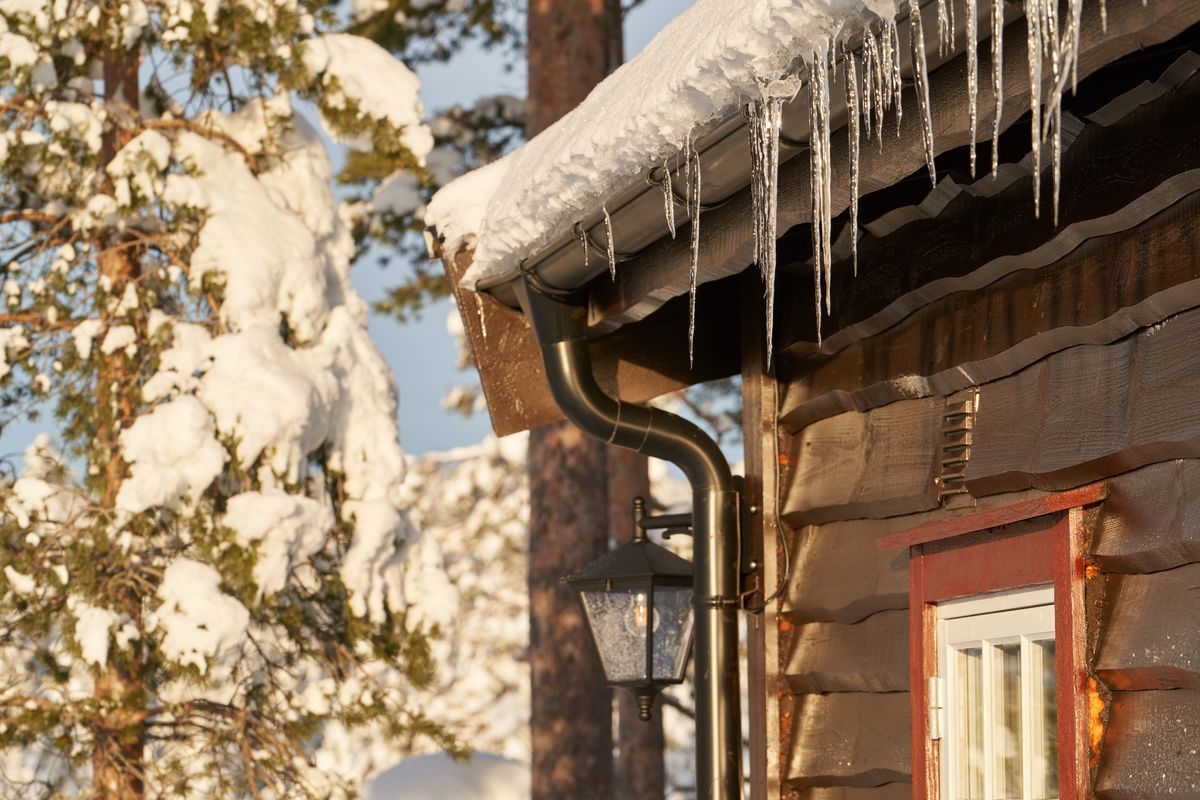
This trapped moisture can damage roof decking, underlayment, and shingles. In colder climates, clogged gutters often contribute to ice dam formation. Ice dams occur when melting snow refreezes at the roof edge, preventing proper drainage and forcing water underneath shingles.
Roof repairs resulting from gutter-related water damage can be expensive and may shorten the lifespan of the entire roofing system. Maintaining clean and functional gutters helps protect one of the most important components of the home.
Mold Growth and Indoor Moisture Problems
Excess moisture created by malfunctioning gutters often extends beyond the home’s exterior. Water intrusion can eventually reach wall cavities, attics, crawl spaces, and basements.
These damp environments create ideal conditions for mold growth. Mold can spread quickly and may affect indoor air quality, particularly for individuals with allergies or respiratory sensitivities. Signs of moisture-related mold problems include musty odors, visible discoloration, and persistent humidity issues.
Addressing gutter problems promptly reduces the likelihood of moisture infiltration and helps maintain a healthier indoor environment.
Common Gutter Problems and Their Effects
| Gutter Problem | Potential Home Damage |
| Clogged Gutters | Overflow, foundation damage, roof leaks |
| Leaking Gutters | Wood rot, siding damage, mold growth |
| Sagging Gutters | Standing water, structural stress |
| Damaged Downspouts | Foundation cracks, soil erosion |
| Improper Slope | Poor drainage, water pooling |
| Loose Fasteners | Detached gutters, water intrusion |
| Ice Dams | Roof damage, attic leaks |
This simple comparison highlights how even minor gutter issues can impact multiple areas of a property.
Preventing Serious Damage Through Maintenance
Preventive maintenance is the most effective way to avoid costly gutter-related repairs. Homeowners should inspect gutters regularly, particularly after storms and during seasonal transitions. Cleaning gutters at least twice a year helps remove debris and maintain proper water flow.
It is also important to check for loose brackets, leaking joints, rust spots, and damaged downspouts. Installing gutter guards may help reduce debris accumulation in some situations, although routine inspections remain necessary.
Professional inspections can identify developing problems that may not be obvious from ground level. Investing in preventive maintenance often saves homeowners significant money over the long term.
Conclusion
While gutters may appear to be a minor part of a home’s exterior, they perform a critical function in protecting the property from water damage. Common gutter problems such as clogs, leaks, sagging sections, and damaged downspouts can lead to serious consequences if left unresolved. Foundation cracks, roof deterioration, mold growth, and structural damage often begin with poor water management.
Regular inspections and maintenance help ensure gutters continue functioning properly throughout the year. By addressing small issues early, homeowners can avoid expensive repairs and protect the long-term value of their property.
Frequently Asked Questions
1. How often should gutters be cleaned?
Most homes benefit from gutter cleaning at least twice per year, typically during spring and fall.
2. Can clogged gutters cause foundation damage?
Yes. Overflowing water can accumulate around the foundation, increasing the risk of cracks and structural movement.
3. What are signs of leaking gutters?
Common signs include water stains, rust spots, dripping water, peeling paint, and damaged fascia boards.
4. Are sagging gutters dangerous?
Sagging gutters reduce drainage efficiency and may eventually detach from the home if not repaired.
5. Should I hire a professional for gutter inspections?
Professional inspections can identify hidden issues and help prevent costly water-related damage.