by Flinn Inspections
Share
by Flinn Inspections
Share
A commercial property can look ready for occupancy and still carry expensive problems behind ceiling tiles, inside electrical panels, below grade, or within aging mechanical equipment. Commercial inspection due diligence gives buyers, investors, and property stakeholders a clearer picture of what they are acquiring before the closing date puts the risk in their hands.
The goal is not to create a punch list of minor cosmetic issues. The goal is to identify material conditions that can affect safety, operations, financing, tenant satisfaction, maintenance planning, and the purchase price. A thorough inspection helps turn assumptions into informed decisions.
What Commercial Inspection Due Diligence Should Accomplish
Due diligence is the period when a buyer confirms whether the property matches the deal. For a commercial building, that means looking beyond square footage, location, and rental income. The building itself must support the intended use and should not require surprise capital repairs immediately after acquisition.
A commercial inspection evaluates readily accessible components and systems for visible deficiencies, signs of deterioration, and conditions that warrant further evaluation. Depending on the building type and the transaction, the inspection may cover the structure, roof, exterior, interior, electrical system, plumbing, heating and cooling equipment, visible insulation, drainage conditions, fire safety features, and more.
For an investor, the findings can help estimate near-term capital expenditures. For an owner-occupant, they can reveal whether a site is truly ready for operations. For a tenant considering a long-term lease, inspection findings can clarify which repairs should be addressed by the landlord before occupancy.
Start With the Property’s Intended Use
Commercial buildings are not one-size-fits-all. A small retail storefront, medical office, warehouse, mixed-use building, restaurant space, and multi-tenant office complex all have different risk profiles. The inspection scope should match both the property and the way it will be used.
A warehouse buyer may need close attention on loading areas, overhead doors, slab movement, drainage, roof condition, and electrical capacity. An office purchaser may be more concerned with HVAC zoning, restroom plumbing, ceiling leaks, emergency lighting, accessibility features, and the remaining service life of major systems. A restaurant or food-service site may require specialized attention to ventilation, gas connections, grease management, floor drains, and fire suppression equipment.
This is where broad due diligence becomes valuable. A general commercial inspection establishes the condition of visible building systems, while specialized services can investigate specific risks that the initial assessment or property history raises.
Evaluate the High-Cost Building Systems First
Some deficiencies are inconvenient. Others can change the economics of the deal. During commercial inspection due diligence, buyers should focus early on the systems most likely to create major repair costs or operational interruptions.
Roof, Exterior, and Water Management
Water is one of the most persistent threats to a commercial property. A roof may appear intact from the ground but have failing seams, deteriorated flashing, ponding water, damaged penetrations, or evidence of prior leaking inside the building. Exterior walls, windows, doors, gutters, downspouts, and site grading all affect how water moves around and through the structure.
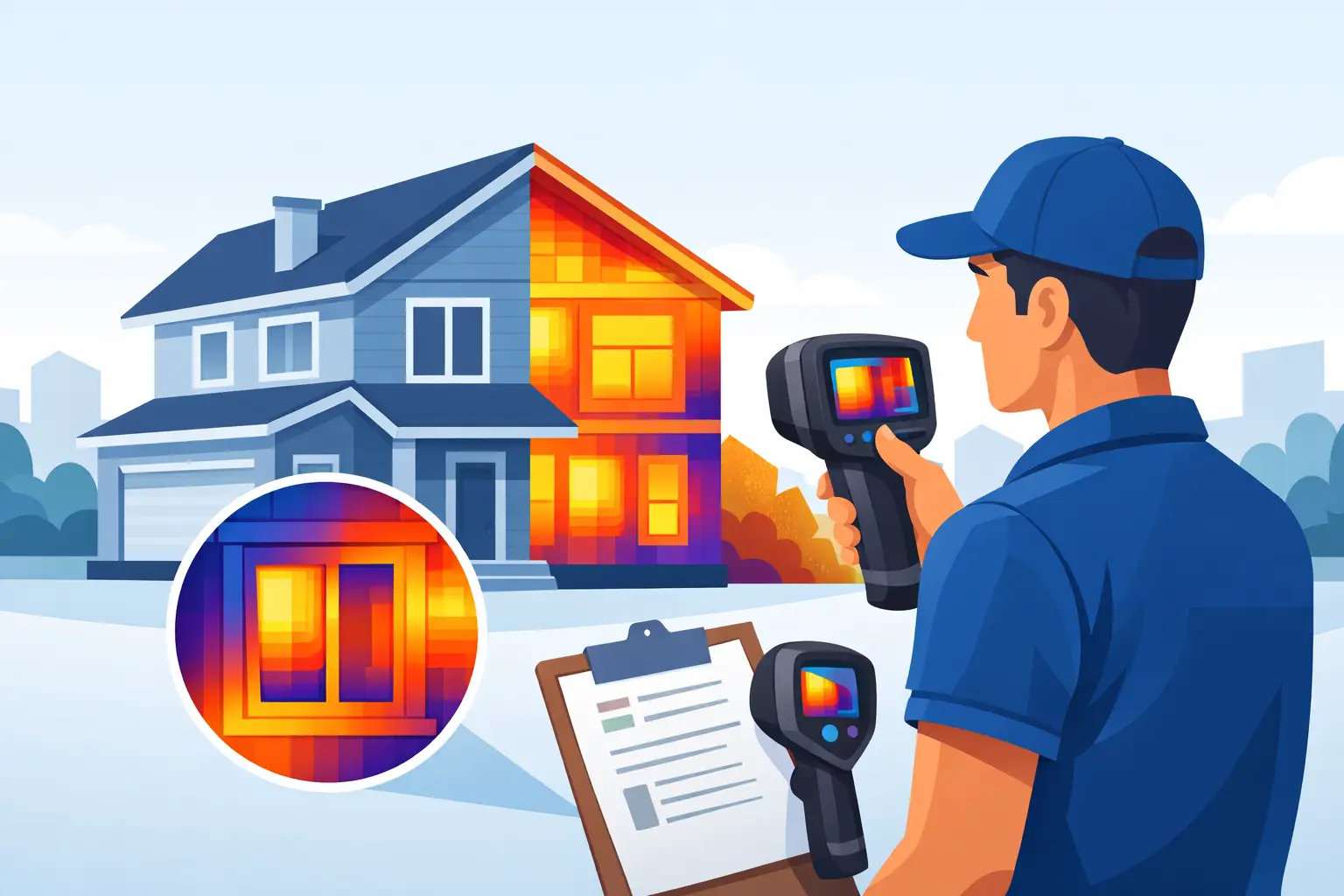
Inspectors look for visible signs of moisture intrusion, deterioration, staining, damaged finishes, and drainage concerns. Thermal imaging can help identify temperature variations that may indicate hidden moisture or insulation gaps in accessible areas. It is a valuable diagnostic tool, but it does not replace invasive testing or a dedicated roof assessment when conditions warrant one.
Structure and Foundation Conditions
Cracks alone do not always mean a building has a structural problem. Some are minor shrinkage cracks or typical movement. However, wide, displaced, stair-step, or actively changing cracks can signal concerns that deserve further review.
A commercial inspection should evaluate visible foundations, slabs, framing, floor movement, wall conditions, columns, beams, and signs of settlement or water-related damage. If significant concerns are present, a structural engineer may be the right next step. An inspection identifies the red flags. Engineering analysis determines the cause, design, and repair requirements.
Electrical Capacity and Safety
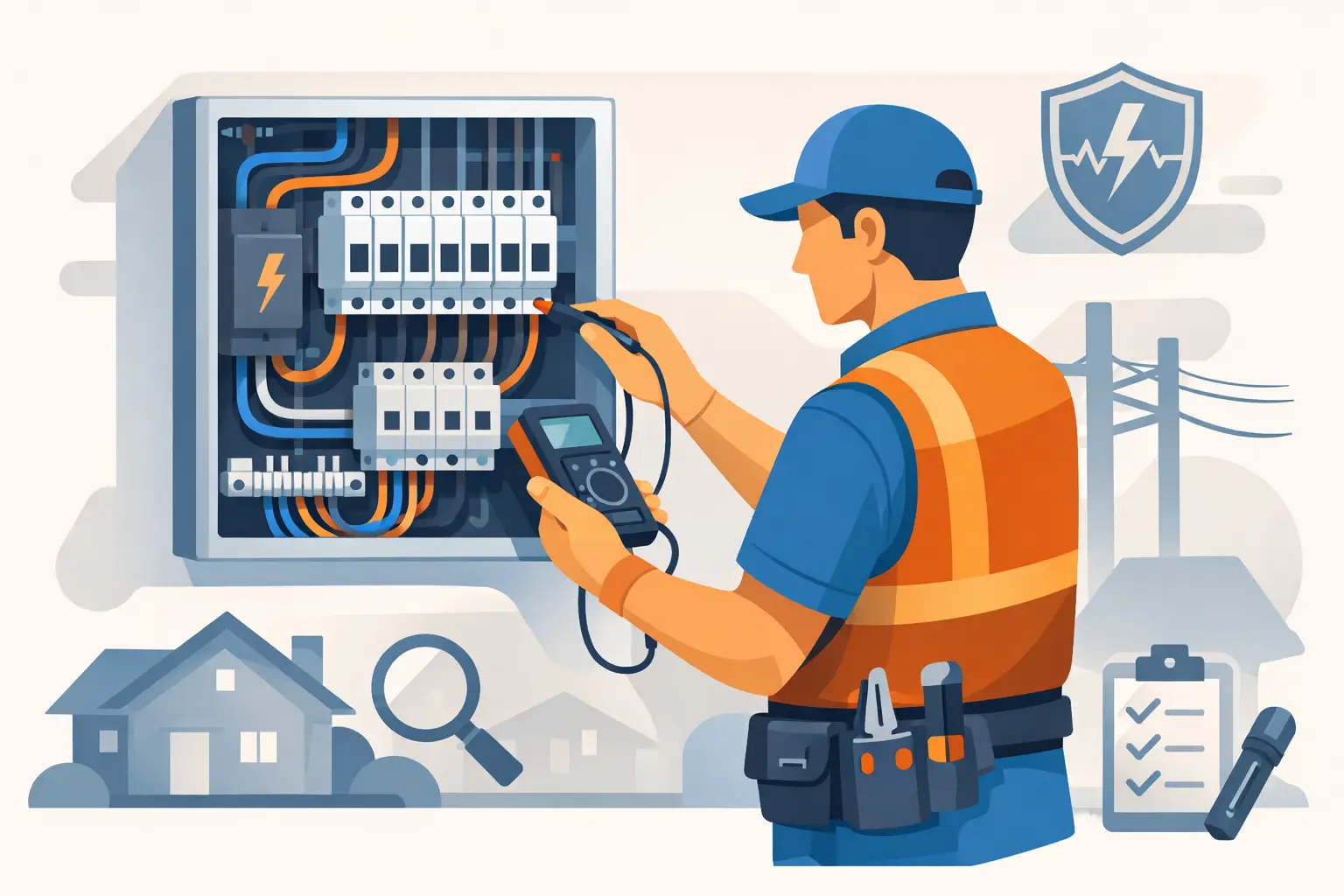
Commercial electrical issues can affect more than convenience. Outdated panels, improper wiring, open junction boxes, missing covers, damaged components, or insufficient capacity can create safety hazards and costly upgrade needs.
The question is not only whether the electrical system is functioning on inspection day. Buyers should also consider whether it can support their planned equipment, tenant improvements, lighting, HVAC demands, and future expansion. A property that worked for a prior tenant may not meet the needs of the next one.
Plumbing, Sewer, and Water Supply
Leaks, poor drainage, aging supply lines, inactive fixtures, and visible corrosion can point to repairs ahead. In older commercial properties, a sewer camera scope can provide critical information about the condition of underground drain lines that cannot be evaluated through a standard visual inspection.
A sewer scope is especially helpful when a building has a history of backups, mature trees near underground lines, slow drains, or uncertain plumbing upgrades. For properties served by private wells or septic systems, well water testing and septic inspection should be considered part of the due diligence plan rather than an afterthought.
HVAC and Mechanical Equipment
Heating and cooling equipment is often one of the largest near-term capital expenses in a commercial transaction. Inspectors can evaluate accessible equipment for age, visible condition, operation at the time of inspection, and signs of deferred maintenance. They can also identify when further evaluation by a qualified HVAC contractor is appropriate.
A system that turns on is not necessarily a system with years of reliable service remaining. Buyers should ask for available maintenance records, repair history, warranties, and documentation of prior replacements. This information is particularly useful when negotiating repair credits or planning reserves after closing.
Do Not Overlook Environmental and Safety Risks
Commercial due diligence should account for conditions that can affect occupant health, liability, and renovation costs. The appropriate testing depends on the building’s age, history, construction materials, and intended work.
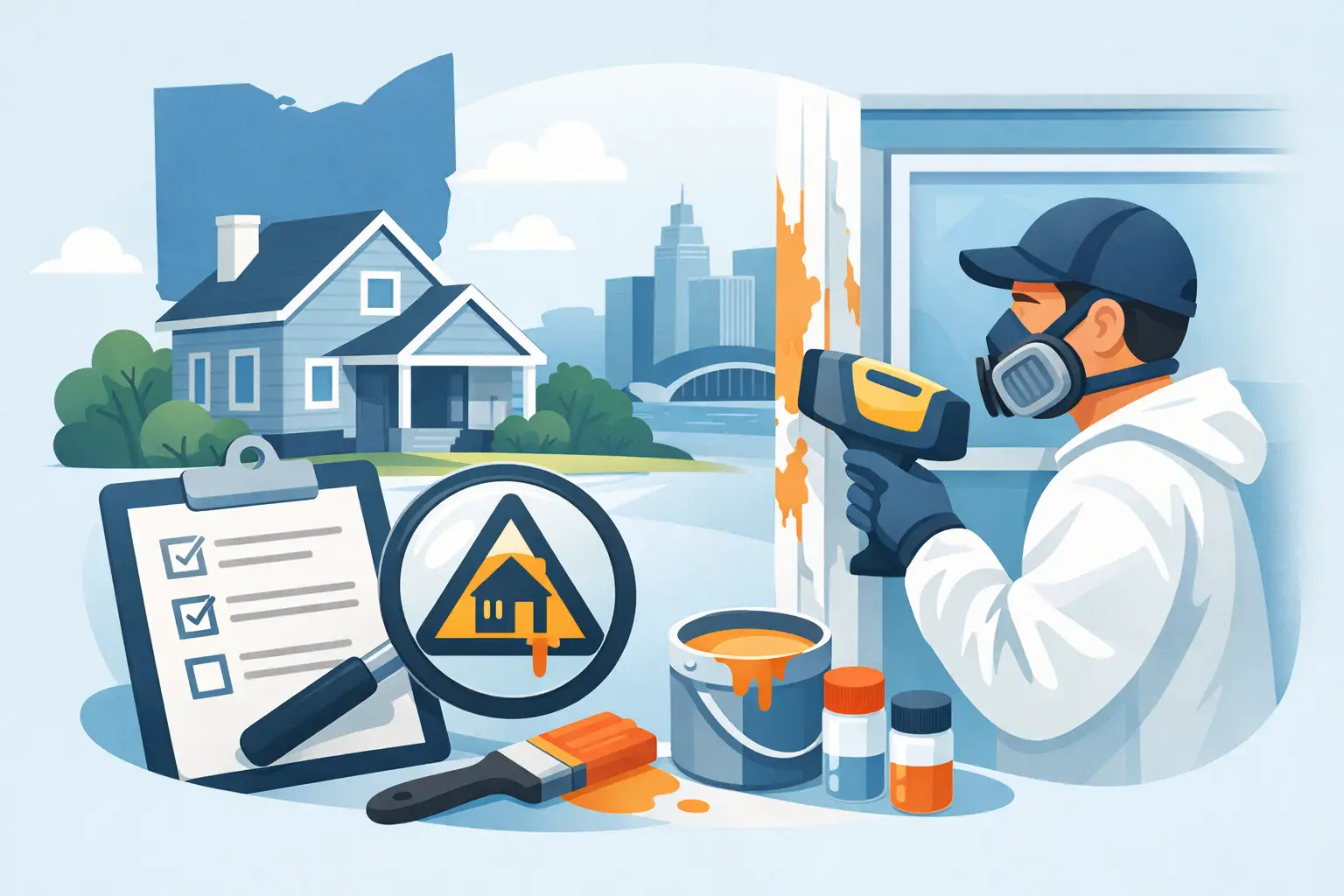
Older buildings may warrant asbestos or lead-based paint inspection before renovations disturb existing materials. Moisture concerns, odors, prior flooding, or visible staining may justify mold and air quality testing. Radon testing can be a smart consideration in Central Ohio, especially for ground-contact spaces, lower levels, and buildings where employees or tenants spend extended time indoors.
Gas leak detection, termite inspections, fireplace inspections, pool inspections, and water quality testing may also be relevant depending on the property. Not every service belongs in every transaction. The right approach is to select testing based on real risk factors, not simply check boxes.
Review Documents Alongside the Inspection
An inspection report is more useful when it is compared with the property’s available records. Request permits, maintenance logs, roof warranties, HVAC service records, fire inspection documentation, utility information, prior environmental reports, and repair invoices when available.
A seller may report that the roof was replaced five years ago, but records can clarify whether the work involved a full replacement, a coating, or a targeted repair. Likewise, maintenance records may reveal recurring HVAC failures that are not obvious during a single inspection appointment.
Lease agreements and tenant responsibility provisions also matter in multi-tenant properties. A deficiency may be visible, but the financial responsibility for repairing it can depend on the lease structure. Buyers should coordinate inspection findings with their attorney, broker, lender, contractor, and other transaction professionals.
Use Findings to Make a Practical Decision
The right outcome is not always asking the seller to repair every issue. Sometimes a buyer proceeds because the price reflects the condition. Sometimes the seller completes major repairs before closing. In other cases, a credit, escrow holdback, price reduction, or extended due diligence period makes more sense.
What matters is separating immediate safety concerns and major capital items from normal maintenance. A clear report with photos, system observations, and recommended next steps gives your team the information needed to prioritize. Same-day reporting can be especially valuable when inspection periods are short and decisions cannot wait.
For commercial buyers in Columbus, Dublin, Powell, and surrounding Central Ohio communities, local building age, weather exposure, drainage patterns, and renovation history can all influence the scope of concerns. An experienced inspector helps keep the process focused on the property in front of you, not a generic checklist.
A commercial purchase deserves more than a quick walk-through. Before you commit to the building, make sure the condition of its systems, safety features, and hidden risk areas has been examined with the same care you bring to the investment itself.