by
Share
by
Share
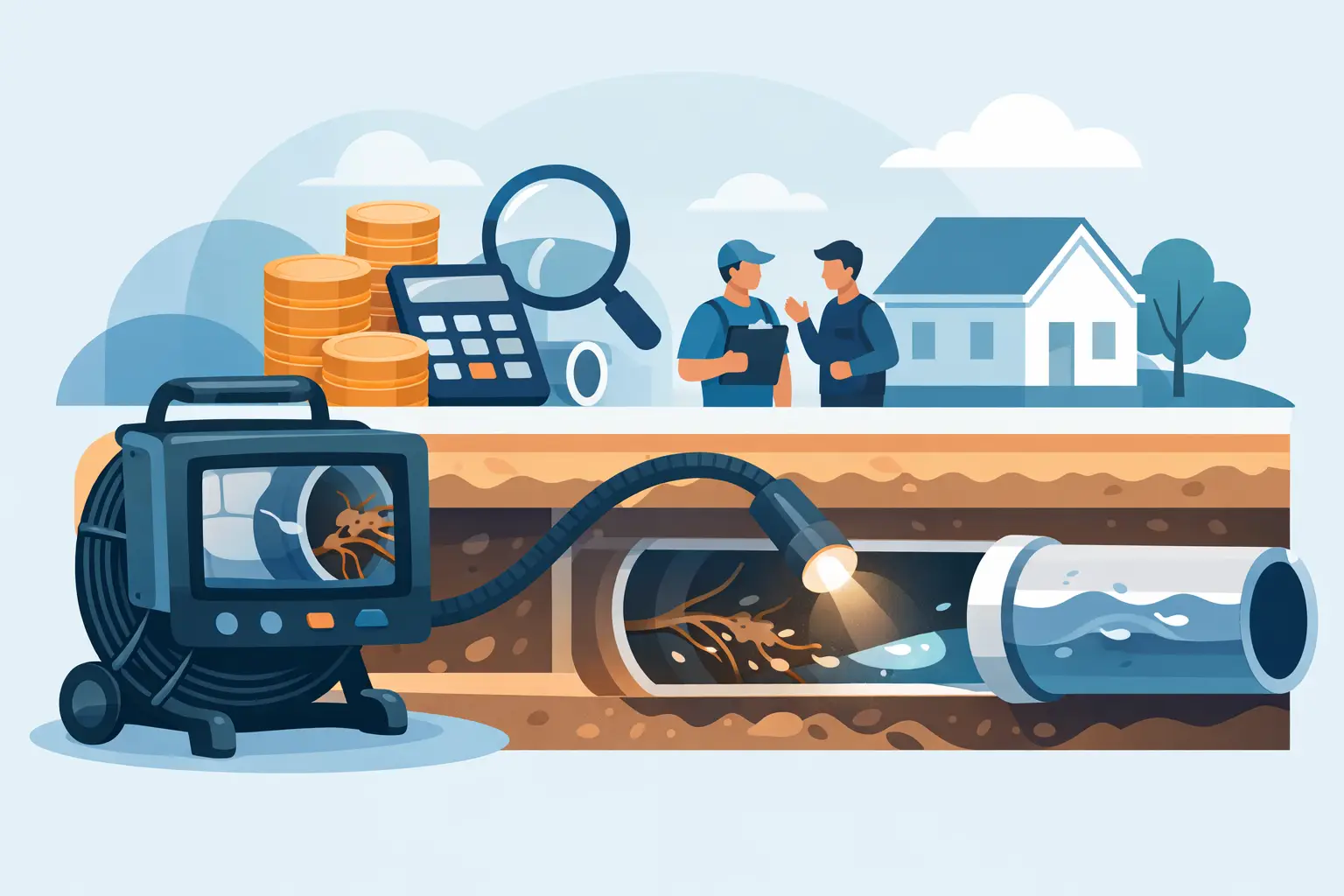
A home can look solid from the roofline down and still have a hidden sewer line problem waiting underground. That is why sewer scope inspection cost matters more than many buyers expect. For a relatively modest inspection fee, you can uncover cracks, root intrusion, sagging sections, offsets, and blockages before they turn into a repair bill that reaches the thousands.
For homebuyers, that can change the negotiation. For current homeowners, it can prevent a backup and help you plan maintenance before an emergency. For investors and commercial property owners, it is one of the clearest ways to reduce risk on a system no one can fully evaluate from a standard walk-through.
What is included in a sewer scope inspection cost?
A sewer scope inspection uses a specialized camera that is inserted into an accessible drain line so the inspector can view the condition of the main sewer lateral. The goal is simple – identify defects, restrictions, and warning signs in the pipe that would otherwise stay out of sight.
In most cases, the sewer scope inspection cost covers the camera inspection itself, the inspector’s time on site, a review of visible pipe conditions, and documented findings. Depending on the company, it may also include still images or video, along with notes about common defects such as root intrusion, separated joints, corrosion, bellying, or heavy buildup.
This is not the same thing as a drain cleaning service. A sewer scope is diagnostic. It shows you what is there. If a line is blocked so badly that the camera cannot advance, additional cleaning or follow-up work may be needed before the full condition can be confirmed.
Typical sewer scope inspection cost range
In many markets, a sewer scope inspection cost often falls in the range of about $200 to $500. Where your quote lands inside that range depends on the property, the accessibility of the line, the inspection provider, and whether the service is bundled with a full home inspection.
If the sewer scope is added to a larger inspection package, the price is often lower than scheduling it as a standalone visit. That bundled approach can make a lot of sense during a real estate transaction because it saves time, reduces scheduling friction, and keeps critical findings under one inspection umbrella.
On the higher end, costs can rise if the property is larger, the system is harder to access, or the inspector needs extra time to document complex conditions. Older homes can also present more variables, especially when the line material or route is not straightforward.
Why prices vary more than homeowners expect
The biggest pricing factor is access. If there is an accessible cleanout, the inspection is usually more direct. If there is no usable access point, the inspector may need to discuss other options, and those options can affect time, scope, or feasibility.
Pipe length also matters. A shorter, simple run is not the same as a long sewer lateral extending from a house to a distant municipal connection. The farther the camera must travel and the more turns it must navigate, the more challenging the inspection can become.
Property age is another major variable. Older lines may be made of clay, cast iron, or Orangeburg, each with known failure patterns. Those systems often deserve a closer look because they are more likely to show deterioration, root intrusion, shifting, or collapse risk.
The local market affects cost as well. In Central Ohio, for example, pricing can reflect service demand, travel, and whether the inspection company offers the sewer scope as part of a broader all-in-one service model. For buyers working on a tight closing timeline, responsiveness and same-day reporting can be as valuable as the price itself.
When the cost is absolutely worth it
A sewer scope is especially valuable when you are buying an older home, a property with mature trees, or a house that has had past drainage issues. Roots seek moisture, and sewer lines give them exactly what they want. A nice yard and established landscaping can hide a line that is already under stress.
It also makes sense when a home has been vacant, flipped quickly, or renovated without much information on the underground plumbing. Fresh paint does nothing for a broken sewer lateral.
For investors, the value is straightforward. Sewer line failures can destroy margins fast. An inspection cost in the low hundreds is often minor compared with excavation, pipe replacement, damaged flooring, cleanup, and lost rent.
Even newer homes are not automatically off the hook. Construction debris, improper installation, settlement, and alignment issues can still affect newer lines. A newer property lowers some risks, but it does not erase them.
What a sewer scope can reveal
The strongest case for the inspection is not theoretical. It is what the camera actually shows.
A sewer scope may reveal root intrusion at joints, grease or sludge buildup restricting flow, cracked or fractured pipe walls, separated sections, bellied areas where wastewater collects, or offsets where one pipe segment no longer lines up cleanly with the next. In some cases, the camera can also show evidence of past repairs or materials nearing the end of their service life.
Some findings are maintenance issues. Others signal major repair exposure. That distinction matters. Not every defect calls for immediate replacement, but many do justify further evaluation by a qualified plumbing contractor. The inspection gives you leverage and clarity while there is still time to act.
Sewer scope inspection cost versus repair cost
This is where the math becomes easy.
A sewer scope inspection cost is small compared with sewer line repair or replacement. Spot repairs can run into the thousands. Full replacement, especially when excavation is required through driveways, landscaping, or hardscape, can climb far beyond that. If a backup has already occurred, restoration costs may join the bill.
That does not mean every inspection uncovers a disaster. Many do not. But the point of the service is risk control. When the line is in good shape, that result has value too. You move forward with more confidence because one of the most expensive hidden systems on the property has been checked.
Should you skip it on a newer or lower-priced property?
Sometimes buyers hesitate because they are already paying for a full home inspection, radon testing, termite inspection, or mold testing. The instinct is understandable. Real estate due diligence adds up.
Still, sewer issues do not care about purchase price. A lower-priced home may actually carry higher underground risk because of age, deferred maintenance, or previous patchwork repairs. And on newer homes, installation defects can still exist even when everything inside the house looks clean and modern.
The better question is not whether the service costs money. It is whether you are comfortable taking on underground sewer risk without looking. For many clients, especially first-time buyers, the answer becomes clear once they understand the potential exposure.
How to judge value, not just price
The cheapest quote is not always the best decision. A good sewer scope inspection should be clear, well-documented, and performed by a company that understands how the finding fits into the bigger picture of the property.
That matters during a transaction. If the inspection identifies a concern, you need reporting that supports informed next steps, whether that means negotiating repairs, asking for specialist review, or budgeting for future work. Fast turnaround matters too. In a competitive market, delayed information can be nearly as costly as missed information.
This is one reason many buyers prefer an inspection company that can coordinate multiple services at once. When your home inspection, sewer scope, radon testing, and other key services are handled together, the process is more efficient and easier to manage under contract deadlines.
Questions to ask before booking
Before scheduling, ask what the quoted fee includes, whether the service is standalone or discounted as an add-on, whether accessible cleanouts are required, and what documentation you will receive afterward. You should also ask what happens if the camera cannot fully traverse the line.
Those answers help set expectations. They also show whether the company is approaching the service as a quick upsell or as a serious part of protecting your investment.
For buyers, homeowners, and investors, sewer scope inspection cost is best viewed as a decision tool, not just another line item. A small upfront cost can expose major defects, confirm a line is in acceptable condition, or give you the evidence needed to negotiate before closing. When you are trying to protect a property purchase or avoid a surprise repair, paying to see what is happening underground is often one of the smartest dollars in the entire inspection process.
If you are weighing whether to add the service, think less about the fee and more about the risk of staying blind to the line that carries everything away.