by
Share
by
Share
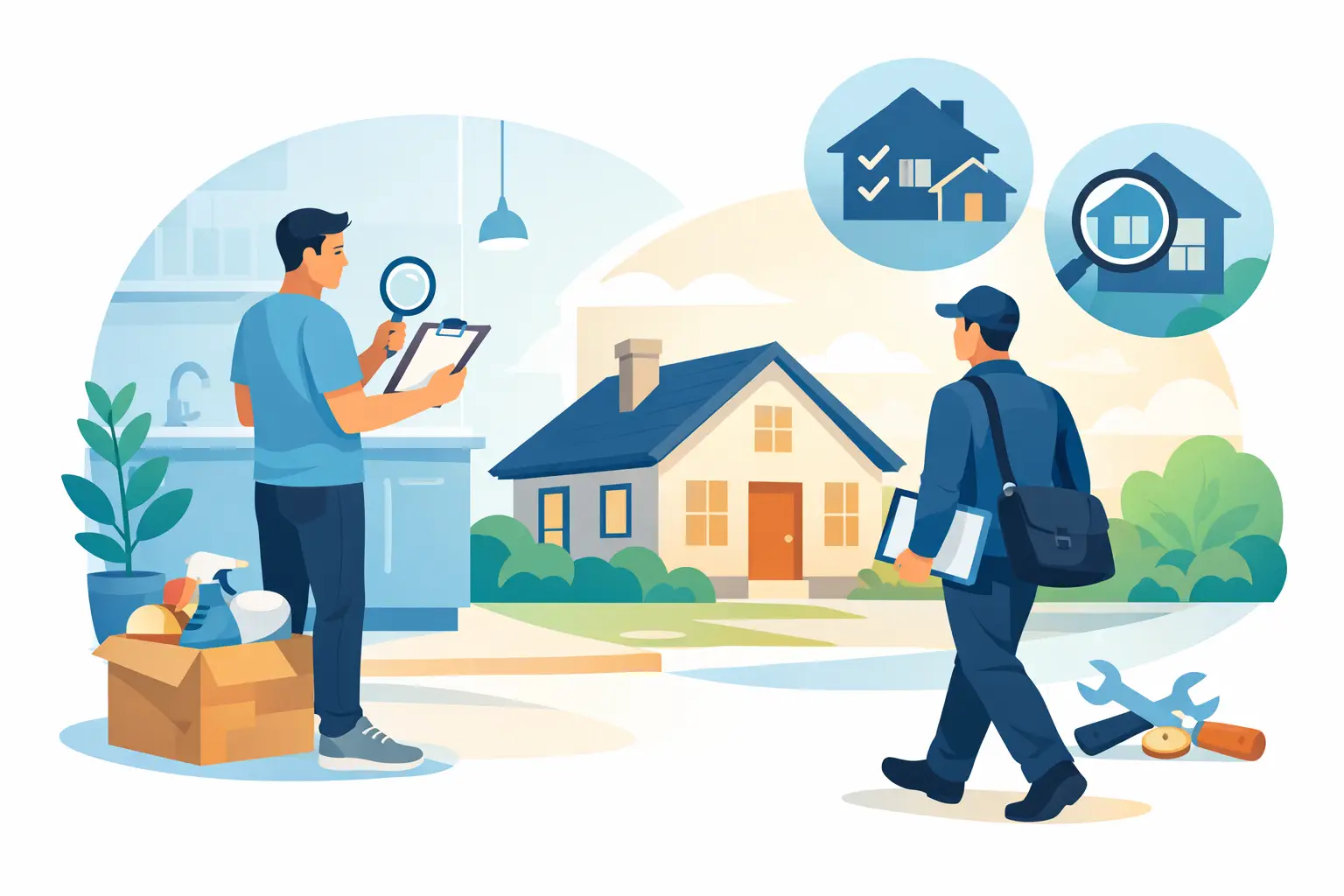
A home inspection can feel personal fast. Someone is opening panels, testing outlets, running appliances, checking the attic, and looking closely at the parts of your home most people never think about. If you are wondering how to prepare for home inspection, the goal is not to make the house look perfect. The goal is to make it accessible, functional, and easy to evaluate without avoidable delays or red flags.
That distinction matters. Inspectors are not grading your housekeeping, and they are not expecting a flawless property. They are documenting the condition of the home at the time of inspection. Good preparation helps that process move efficiently and gives buyers a clearer, more accurate picture of the property.
How to Prepare for Home Inspection Without Overthinking It
The best approach is simple: make sure every major system can be reached, operated, and observed. If an inspector cannot access the electrical panel, open the attic hatch, test the dishwasher, or walk the perimeter safely, the report may note those limitations. That can create follow-up questions, delays, or even return visits.
Start with access. Clear space around the furnace, water heater, electrical panel, attic entry, crawlspace entrance, and garage walls if key systems are located there. A good rule is to leave enough room for a person to stand, open panels and doors fully, and work safely. Storage stacked tightly around equipment is one of the most common issues that slows an inspection down.
Next, make sure utilities are on. Water, electricity, and gas should all be active unless the property is vacant for a specific reason and everyone already understands those limits. Inspectors need operating conditions to evaluate plumbing fixtures, heating and cooling equipment, built-in appliances, and other core systems. If utilities are off, the report will likely reflect incomplete findings.
Then focus on the basics buyers notice and inspectors document. Replace burned-out light bulbs where practical, change HVAC filters if they are overdue, and make sure smoke and carbon monoxide alarms have working batteries. These are small items, but they shape how the overall condition of the home is perceived.
What Sellers Should Do Before the Inspector Arrives
Clean is helpful, but functional matters more. A spotless home with a blocked crawlspace is still harder to inspect than an ordinary lived-in home with good access. That said, a reasonably tidy home does support a smoother process because it reduces obstacles and makes concerns easier to see clearly.
If you have pets, make a plan well in advance. Secure them safely off-site if possible, or keep them contained in a way that does not restrict access to rooms, doors, or the yard. An inspector should not have to guess whether a dog is friendly or whether a cat may slip out during the appointment.
Take care of minor maintenance items that you already know about. Tighten a loose toilet seat, reattach a loose handrail, replace a missing switch plate, and address a dripping faucet if the repair is straightforward. This is not about hiding defects. It is about handling normal deferred maintenance that can make a home appear less cared for than it actually is.
If you have paperwork for recent repairs, upgrades, or servicing, keep it available. Receipts for roof work, HVAC servicing, chimney repairs, electrical upgrades, or plumbing replacements can provide useful context. They do not erase existing issues, but they can help support the age and service history of major components.
Focus on the Systems That Matter Most
A solid home inspection centers on the major systems and structural elements of the property. If you want to know how to prepare for home inspection in a practical way, spend your time where it counts most.
Exterior and drainage
Walk the outside of the home and look for basic access and safety issues. Unlock gates, clear overgrown vegetation away from the foundation and service equipment, and move anything that blocks the inspector from viewing siding, grading, or the condenser unit. If gutters are packed with debris and you can clean them safely, that is worth doing. Poor drainage is a frequent concern because it can affect the foundation, basement, and crawlspace over time.
Roofing and attic areas
You do not need to climb on the roof, and you should not take unnecessary risks. But you can make the attic entry accessible and remove stored items that block access. If the home has a garage attic pull-down ladder or a scuttle hatch in a closet, clear the area below it. Inspectors often need enough room to position a ladder safely and open the hatch fully.
Plumbing, electrical, and HVAC
Check that sinks, tubs, and showers can be reached and turned on. Clear space under sinks if they are packed so tightly that visible plumbing cannot be observed. Make sure the electrical panel is accessible and not hidden behind shelving, furniture, or locked doors. For HVAC, replace a very dirty filter and ensure vents are not covered by rugs or furniture.
In Central Ohio, heating and cooling performance can be a major point of concern because seasonal weather puts real demand on those systems. If you know your furnace has been acting up or your air conditioner is not cooling properly, address that before the inspection if possible. It is better to resolve a known issue than to let it become a late surprise in the report.
What Not to Do Before an Inspection
There is a right way to prepare, and there is a way that creates more concern.
Do not try to conceal defects with quick cosmetic coverups. Fresh paint over active water staining, air fresheners near suspected mold odors, or storage bins placed in front of damaged areas tend to raise more questions, not fewer. An experienced inspector is trained to look beyond surface appearance.
Do not leave pilot lights off, breakers tripped, or shutoff valves closed unless there is a documented safety reason. If a system is intentionally disabled, the inspector may have to report it as not tested. That often leads buyers to assume the worst.
Do not stay in the inspector’s path to explain every detail of the house. If you are present, be available for questions, but let the inspection happen. Too much commentary can slow the process and create tension where clarity would serve everyone better.
If the Home Is Older, Expect More Attention
Older homes often have more character, but they also tend to have more layered repair history. That is not automatically a problem. It just means preparation should be more thoughtful.
If your home has an older electrical system, aging windows, foundation movement history, or previous moisture issues, be ready for those areas to receive closer attention. The same goes for homes with additions, converted garages, finished basements, or long ownership periods where repairs happened over many years.
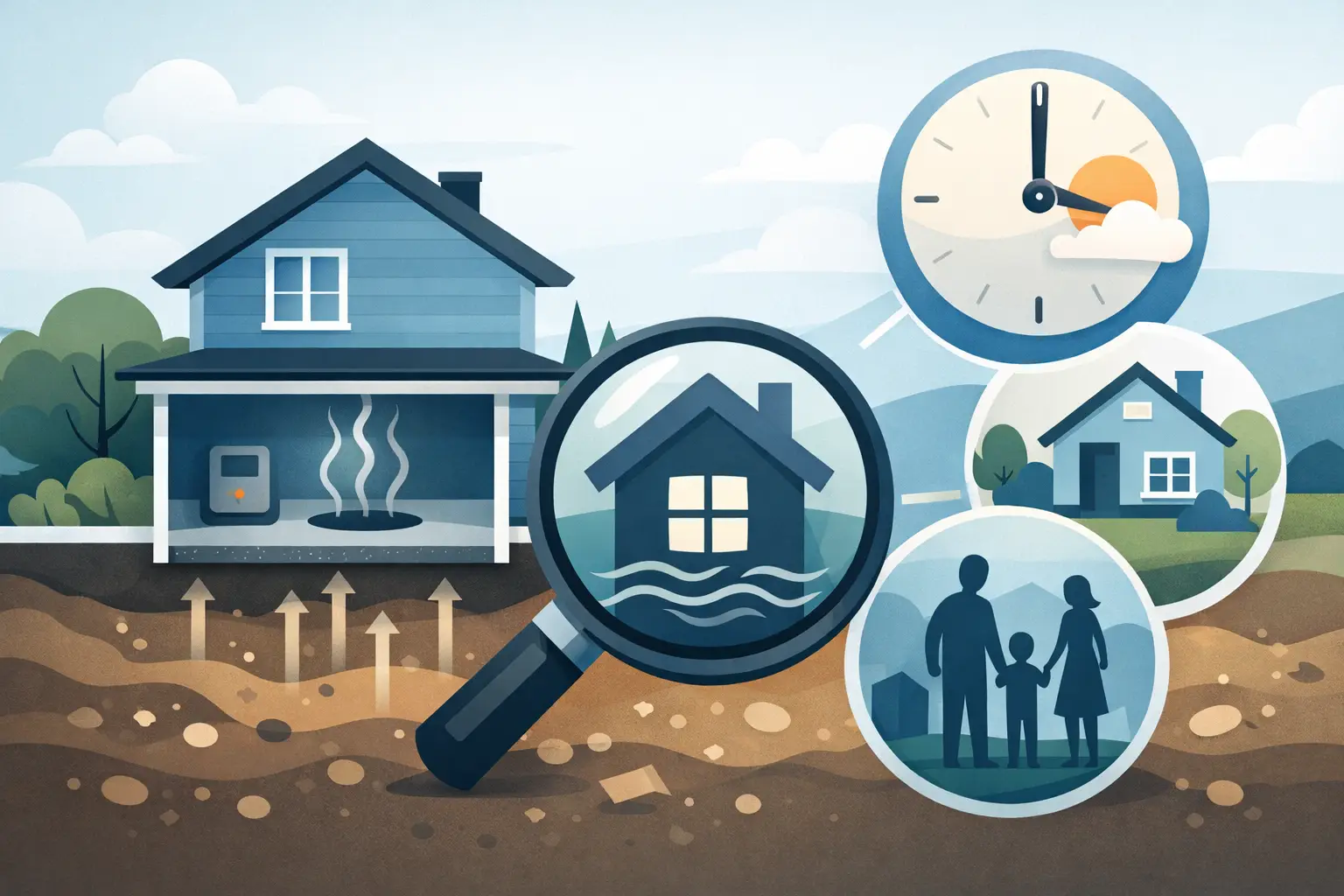
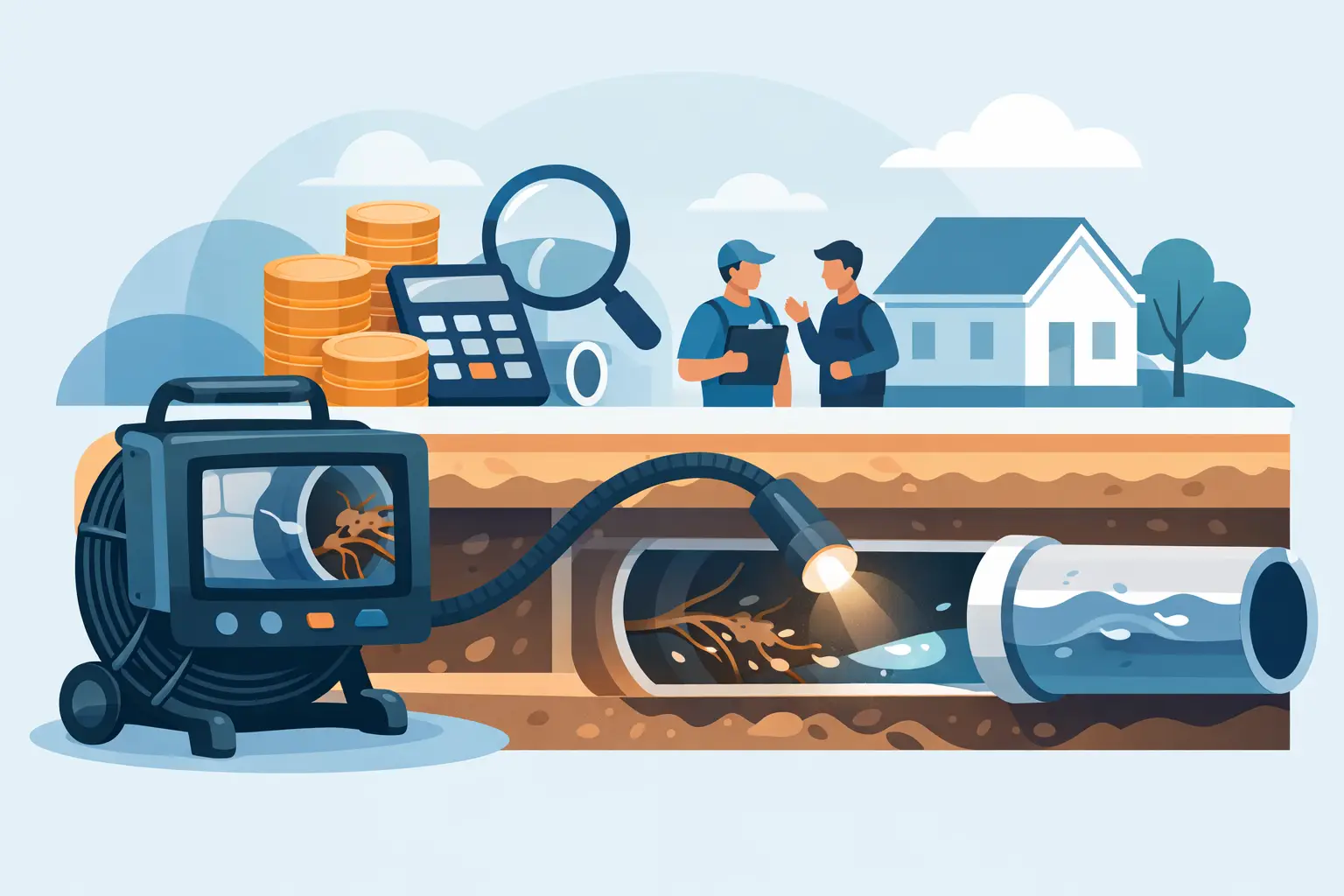
This is also where specialized services can matter. A standard inspection may identify visible concerns, but some properties benefit from added testing or targeted evaluation, such as radon testing, mold and air quality assessment, sewer camera scope work, termite inspection, or fireplace review. For buyers and sellers alike, coordinated inspection services can save time and reduce the risk of missing an issue that affects negotiation or future repair planning.
Preparation Is About Confidence, Not Perfection
Many sellers worry that an inspection will go badly if the home shows normal wear. That is not how a professional inspection works. Every house has maintenance items. Even newer homes can have installation defects, incomplete finishes, or early system issues. The real advantage of preparing well is that it allows the inspection to reflect the home accurately.
That matters for buyers, agents, and sellers. When the property is accessible and systems can be tested properly, the report is more complete. That helps reduce uncertainty and gives everyone a stronger basis for next steps.
For homeowners planning their own pre-listing inspection, the same principle applies. Strong inspection preparation gives you a chance to identify issues on your timeline rather than in the middle of a contract. That can be especially valuable if you want to make repairs, price the home more confidently, or avoid rushed decisions.
At Flinn Inspection Group, that kind of clarity is the point. Thorough inspections, advanced tools, and same-day reporting only help when the property is ready to be evaluated fully.
If you are preparing for an upcoming inspection, keep it simple: provide access, turn on the utilities, handle the small obvious repairs, and let the condition of the home be seen clearly. A well-prepared inspection does not guarantee a perfect report, but it does give you something better – a fair, efficient, and informed look at the property.