by
Share
by
Share

A house can look clean, smell fine, and still have air quality problems that affect comfort, health, and even a real estate decision. That is why air quality testing house services matter. When you are buying, selling, managing, or maintaining a property, the air you cannot see deserves the same attention as the roof, foundation, plumbing, and electrical systems.
For many property owners, poor indoor air quality shows up as a pattern before it shows up as a diagnosis. Maybe there is a musty smell after rain, recurring allergy symptoms in one room, condensation around windows, or a tenant complaint that never seems to go away. In other cases, there is no obvious warning at all. A home with new paint, new flooring, or a recently finished basement may still contain airborne contaminants, elevated moisture conditions, or ventilation issues that need a closer look.
What an air quality testing house service is really checking
Air quality testing is not one single test. It is a targeted process used to identify what may be affecting the indoor environment and why. Depending on the property and the concern, testing may focus on mold spores, airborne particulates, volatile organic compounds, humidity conditions, combustion byproducts, or signs that the home is not exchanging air properly.
That distinction matters because indoor air problems rarely come from one source. A basement moisture issue can contribute to mold growth. An attached garage can introduce fumes. A tightly sealed newer home can trap indoor pollutants if ventilation is not balanced well. Older homes may have a different set of concerns, especially if materials, maintenance history, or water intrusion are part of the picture.
A qualified inspection company should not treat every home the same. The right approach depends on the age of the property, occupant concerns, visible conditions, and whether the testing is tied to a transaction, a health concern, or a long-term maintenance plan.
When air quality testing in a house makes sense
Some clients call for testing after they notice symptoms. Others schedule it because they want certainty before they close on a property. Both are valid.
If you are buying a home, air quality testing can help clarify whether visible staining, past water damage, or a damp crawl space is simply cosmetic or part of a larger environmental concern. If you already own the home, testing can help explain persistent odors, recurring respiratory irritation, or conditions that seem worse when the HVAC system runs. Investors often use it to understand whether a property needs remediation, improved ventilation, or a more complete moisture-control strategy before renovation or resale.
It is also worth considering after specific events. A plumbing leak behind a wall, a sump failure, storm-related water intrusion, or a long vacancy can all change indoor air conditions. In Central Ohio, seasonal humidity swings and basement moisture make this especially relevant for many homes, even those that appear well maintained.
What happens during an air quality testing house appointment
A strong air quality assessment begins with observation, not guesswork. The inspector should look at the full context of the property, including moisture-prone areas, HVAC performance, visible staining, attic and crawl space conditions when accessible, and any signs of inadequate ventilation.
From there, sampling may be recommended based on what the inspection reveals. Air samples can be collected from inside the home and compared with an exterior control sample. Surface samples may also be used when there is visible growth or suspect material that needs lab identification. In some cases, moisture readings and thermal imaging help identify hidden conditions contributing to poor air quality.
This is where experience matters. A lab result by itself does not tell the full story. Numbers need to be interpreted alongside building conditions. For example, an elevated indoor mold spore count means something very different in a dry, well-ventilated home than it does in a property with active moisture intrusion and poor basement drainage.
What air quality testing can find – and what it cannot
Testing can provide clear, useful information, but it is not magic. It can identify indicators of contamination, confirm whether indoor air differs significantly from outdoor air, and help narrow down likely sources. It can also support smarter decisions about repairs, remediation, maintenance, or whether to move forward with a purchase.
What it cannot do is guarantee a home will never have air quality issues again. Indoor air changes with weather, occupancy, housekeeping, HVAC operation, renovations, and moisture conditions. A test reflects conditions at the time of inspection. That does not make it less valuable. It just means the results should be understood in context.
This is also why cheap, one-size-fits-all tests often miss the point. A single device left in a room or a basic consumer monitor may detect general trends, but it usually will not answer the real question a buyer or owner is asking. The real question is not just, “Is something in the air?” It is, “What is causing this condition, how serious is it, and what should we do next?”
Why moisture control is often the real story
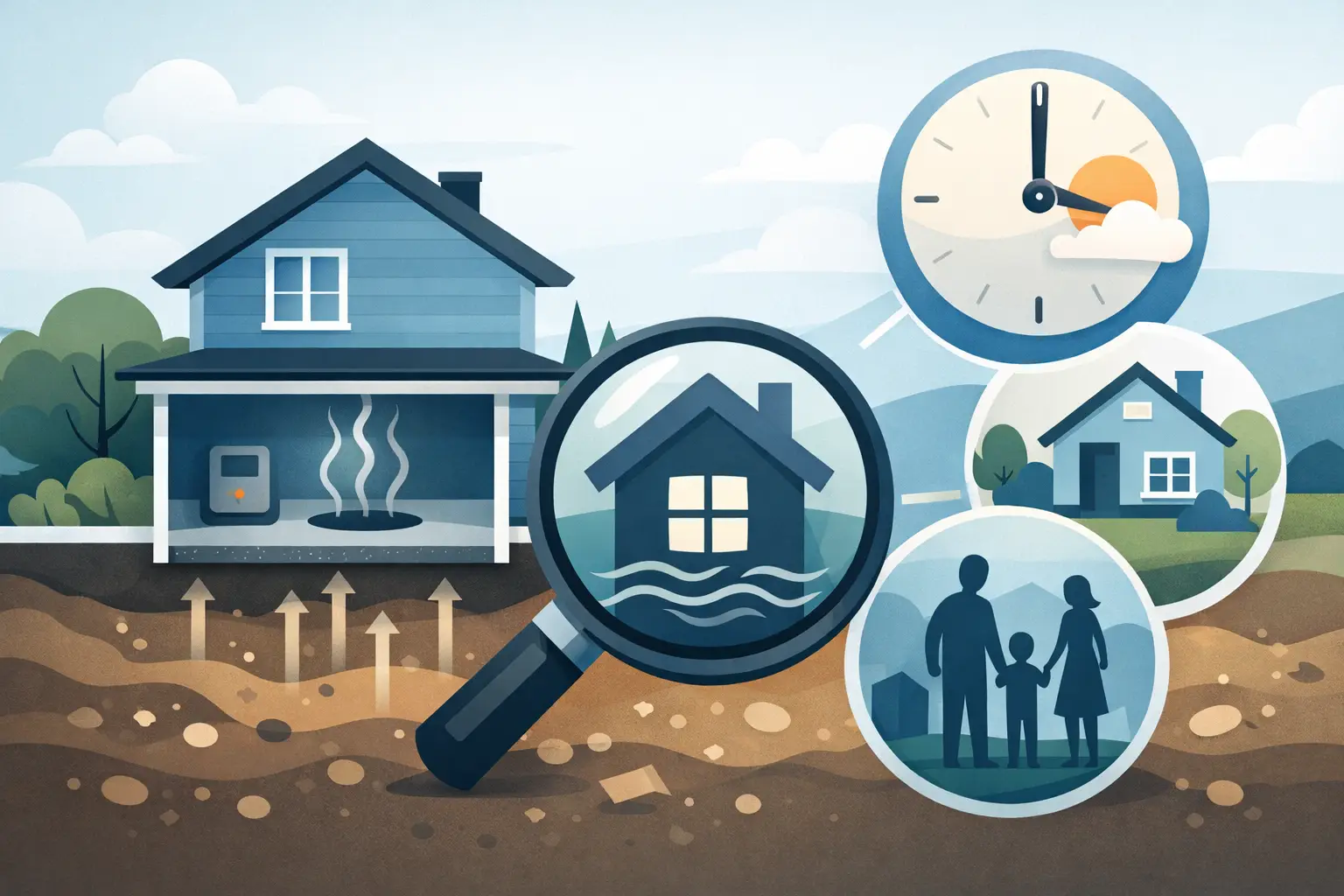
In many homes, air quality issues are really moisture issues in disguise. Mold does not grow without a moisture source. Musty odors usually point to damp materials, poor airflow, or both. Even elevated dust and allergens can become worse when filtration and humidity control are not working together.
That is why a thorough inspection approach matters. If testing shows a concern, the next step should not be blind cleanup. It should be identifying the source. That may mean improving drainage, correcting grading, sealing air leaks, servicing HVAC equipment, or addressing bathroom and kitchen exhaust problems. In some homes, the issue is localized. In others, it is a building-performance problem affecting multiple areas.
For buyers, this can shape negotiations and repair requests. For current owners, it can prevent repeated spending on symptoms instead of solutions.
Air quality testing house results in real estate decisions
In a transaction, timing matters. You need usable information quickly enough to make a decision, request repairs, or plan next steps without slowing everything down. That is one reason property owners and agents look for inspection teams that can coordinate environmental testing alongside broader property inspections.
When air quality concerns are reviewed as part of a larger inspection strategy, the findings are more actionable. If the same inspection process also considers attic ventilation, basement conditions, visible water entry, gas appliances, and HVAC performance, the air quality discussion becomes much more precise. You are not left with a vague warning. You get a clearer picture of risk and responsibility.
For commercial stakeholders and investors, that clarity supports budgeting. If testing suggests a limited issue in one unit or one section of a building, that is very different from a property-wide condition tied to deferred maintenance or ventilation design.
Choosing the right company for air quality testing in a house
Not every inspector approaches this service with the same depth. You want a company that understands both the environmental side and the building side. Air quality concerns are rarely isolated from the way a property is constructed, maintained, and ventilated.
Look for a provider that explains what is being tested and why, rather than pushing a standard package without context. The process should feel disciplined and evidence-based. It should also result in reporting that is clear enough to support real decisions, especially if you are under contract deadlines or trying to plan corrective work.
This is where an all-in-one inspection model becomes valuable. When one team can evaluate the broader property conditions and perform specialized testing, you get better coordination and less risk of important details being missed between vendors. That is especially helpful for buyers, homeowners, and investors who need answers fast and do not want to manage three different inspection schedules.
At Flinn Inspection Group, that practical mindset drives the work. The goal is not to create alarm. It is to identify conditions, explain the significance, and help clients protect a major investment with confidence.
The most useful mindset going into testing
Air quality testing is most valuable when you treat it as decision-making data, not as a pass-fail label for the property. A home can have a manageable issue that needs a focused correction. It can also test within normal ranges and still benefit from better filtration, humidity control, or maintenance.
The point is clarity. If something feels off in a house, or if the property history raises questions, testing can replace assumptions with evidence. That gives buyers stronger negotiating ground, owners a smarter repair path, and investors a more accurate picture of what they are taking on.
The air inside a property affects how people live, work, and feel in that space every day. When you have the chance to verify what is in that air and what may be influencing it, you are not overreacting. You are doing what smart property owners do – protecting the investment before a hidden issue becomes a bigger one.