by Flinn Inspections
Share
by Flinn Inspections
Share
Introduction: Why Concrete Pouring Is a Critical Stage in New Construction
Concrete pouring is one of those construction steps that doesn’t get much attention from homebuyers.
After all, it’s not as exciting as picking countertops or walking through a finished living room.
But here’s the truth:
The concrete foundation is literally what your entire home will stand on for decades.
If something goes wrong during this stage, it can lead to serious issues later like cracks, uneven floors, water intrusion, and structural instability.
That’s why having a solid concrete pouring checklist is like having a blueprint for long-term home safety.
Let’s walk through the essential steps that ensure your new home starts on strong ground.
What Is a Concrete Pouring Checklist?
A concrete pouring checklist is a step-by-step guide used by builders, inspectors, and homeowners to make sure everything is correct before, during, and after concrete is poured.
Why Builders and Homebuyers Need One
Concrete work happens fast.
Once it’s poured, fixing mistakes becomes expensive or even impossible without major demolition.
A checklist helps prevent:
- Poor reinforcement
- Misaligned plumbing sleeves
- Weak concrete strength
- Drainage problems
- Future foundation cracking
Think of it like baking a cake. If you forget the flour, you can’t fix it after it’s in the oven.
How Concrete Impacts the Entire Home Structure
Concrete isn’t just “the slab.”
It supports:
- Walls
- Roof loads
- Plumbing systems
- Flooring
- Structural framing
A weak foundation is like building a skyscraper on sand. Eventually, problems show up.
Understanding the Role of the Foundation in New Homes
Concrete as the Backbone of the House
Your foundation is the backbone of your home.
It keeps everything stable, level, and secure.
A well-poured foundation ensures:
- Proper load distribution
- Resistance to shifting soil
- Protection against water intrusion
Long-Term Risks of Poor Concrete Work
If concrete is poured incorrectly, homeowners may face:
- Foundation settlement
- Wall cracks
- Uneven floors
- Basement leaks
- Costly structural repairs
These aren’t small cosmetic issues. They can affect safety and resale value.
10 Essential Steps in a Concrete Pouring Checklist for New Homes
Now, let’s get into the most important part: the actual checklist steps.
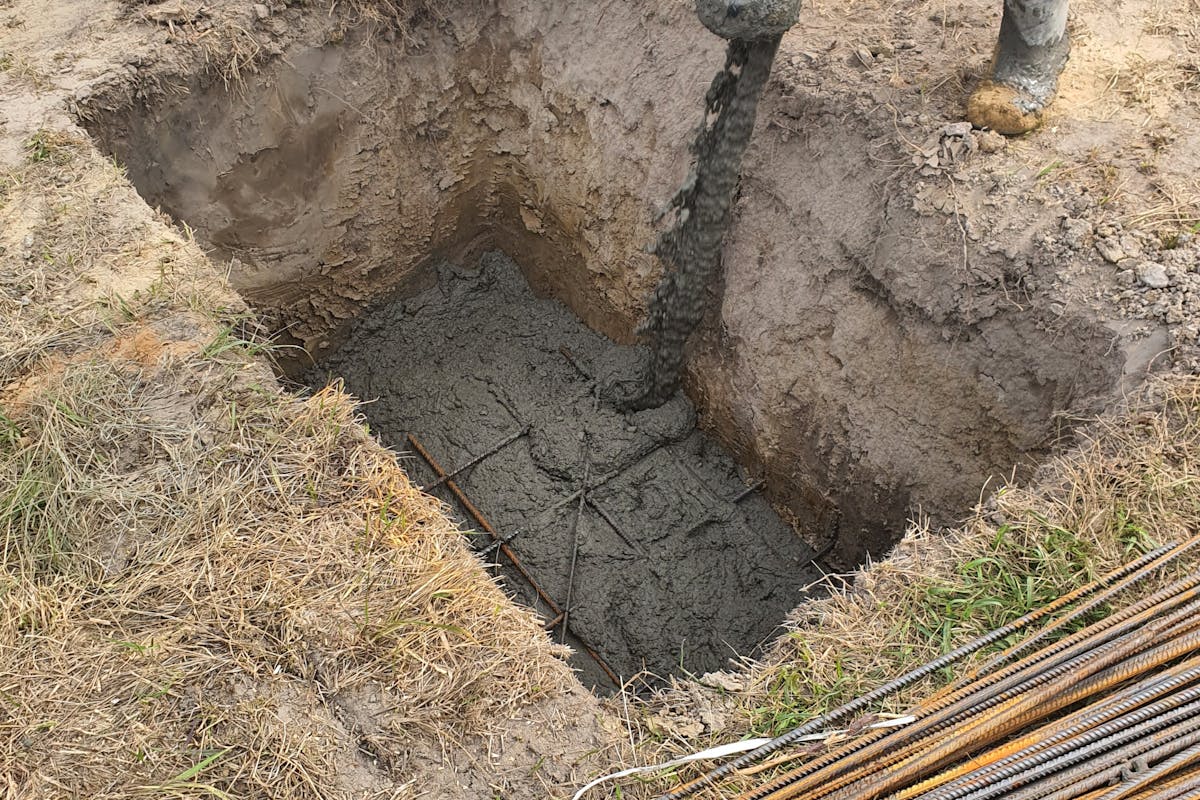
1. Verify Excavation Depth and Soil Conditions
Before anything else, the excavation must be correct.
Inspect for:
- Proper trench depth
- Stable soil conditions
- No loose fill dirt
Soil is the bed your foundation rests on. If it’s unstable, the foundation can shift over time.
2. Confirm Proper Footing Dimensions
Footings spread the weight of the home into the ground.
Make sure:
- Width matches engineering plans
- Depth meets local building codes
- Trenches are clean and level
Incorrect footings are like wearing shoes that don’t fit. Everything feels off.
3. Inspect Rebar and Reinforcement Placement
Rebar strengthens concrete.
Concrete is strong in compression but weak in tension. Reinforcement fixes that.
Check:
- Rebar spacing
- Proper tying
- Correct placement height
Poor rebar setup can lead to cracking and failure.
4. Check Pipe Sleeves and Utility Penetrations
Before pouring, plumbing and utility sleeves must be in place.
Inspect:
- Pipe locations
- Correct sizing
- Proper sealing
Once concrete is poured, moving pipes is a nightmare.
5. Ensure Proper Formwork Setup
Forms shape the concrete.
Verify:
- Forms are secure
- No bowing or gaps
- Proper alignment
Bad formwork leads to uneven slabs and structural issues.
6. Review Drainage and Moisture Barriers
Water is one of the biggest enemies of foundations.
Confirm:
- Vapor barriers installed
- Proper drainage slope
- Gravel base in place
Without moisture protection, basements can become damp and moldy.
7. Confirm Concrete Mix Design and Quality
Not all concrete is the same.
The mix must meet strength requirements.
Check for:
- Correct PSI rating
- Proper water-to-cement ratio
- Quality control from supplier
Too much water weakens concrete dramatically.
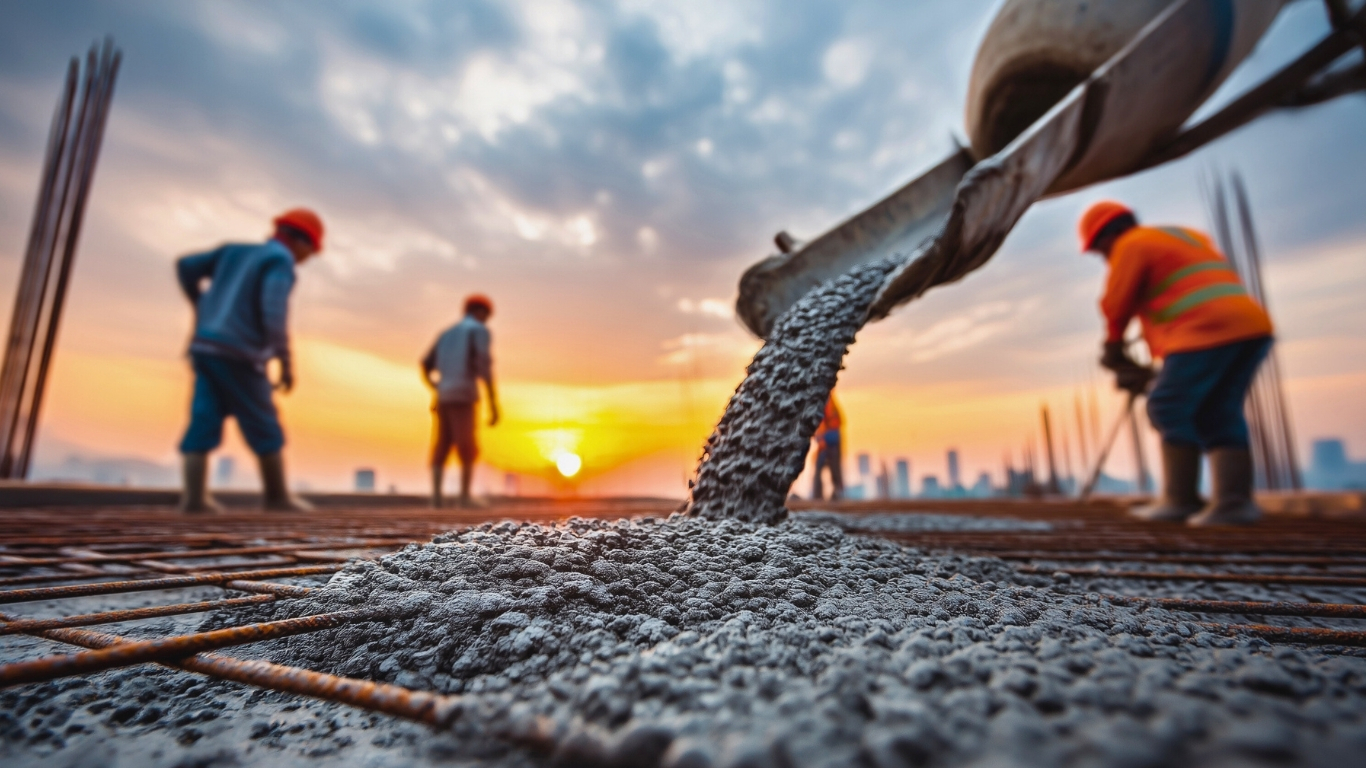
8. Monitor the Pouring Process for Consistency
During the pour, consistency matters.
Watch for:
- Even distribution
- No segregation of aggregate
- Continuous pour without delays
Stopping mid-pour can create weak cold joints.
9. Proper Concrete Finishing and Leveling
Finishing determines the slab’s smoothness and level.
Inspect for:
- Even surface
- Correct slope for drainage
- No excessive troweling
Over-finishing can trap water and weaken the surface.
10. Follow Correct Curing Procedures After Pouring
Curing is where concrete gains strength.
Proper curing includes:
- Keeping surface moist
- Avoiding rapid drying
- Protecting from freezing
Concrete doesn’t “dry.” It chemically hardens, and curing is critical.
Common Mistakes Builders Make During Concrete Pouring
Even experienced builders can make errors like:
- Pouring too quickly
- Skipping reinforcement checks
- Using improper mix ratios
- Neglecting curing time
Why Small Errors Become Big Problems
A tiny crack today can become a major structural repair tomorrow.
Concrete is permanent. Mistakes last forever.
Foundation Inspections Before Concrete Pouring
Professional inspections are highly recommended.
What Professional Inspectors Look For
Inspectors verify:
- Footing depth and width
- Rebar placement
- Utility penetrations
- Soil conditions
- Code compliance
It’s like having a second set of expert eyes before the point of no return.
Concrete Pouring Timeline for New Home Construction
Concrete pouring typically happens:
- After excavation
- After footings are prepared
- Before framing begins
When This Step Happens in the Build Process
It’s one of the earliest phases, and one of the most important.
A strong foundation sets the stage for everything else.
How Homebuyers Can Protect Themselves During Foundation Work
You don’t need to be a construction expert, but you should stay informed.
Questions to Ask Your Builder
Ask things like:
- Will there be a foundation inspection before pouring?
- What concrete strength is being used?
- How long will curing take before framing starts?
Being proactive can save you major headaches later.
Conclusion: A Strong Pour Means a Strong Home
Concrete pouring is not just another step in construction.
It’s the moment your home gets its permanent base.
Following a proper concrete pouring checklist ensures the foundation is strong, stable, and built to last for decades.
A careful pour today means fewer cracks, fewer repairs, and a safer home tomorrow.
FAQs
1. Why is a concrete pouring checklist important?
Because once concrete is poured, mistakes are extremely difficult and expensive to fix.
2. How long should concrete cure before building continues?
Typically at least 7 days for partial strength, and 28 days for full strength.
3. Can a homebuyer request a foundation inspection before pouring?
Yes, and it’s highly recommended for new construction homes.
4. What is the biggest cause of concrete foundation cracks?
Poor soil prep, incorrect reinforcement, or improper curing.
5. Does weather affect concrete pouring?
Absolutely. Extreme heat, cold, or rain can impact curing and strength.