by SEO
Share
by SEO
Share
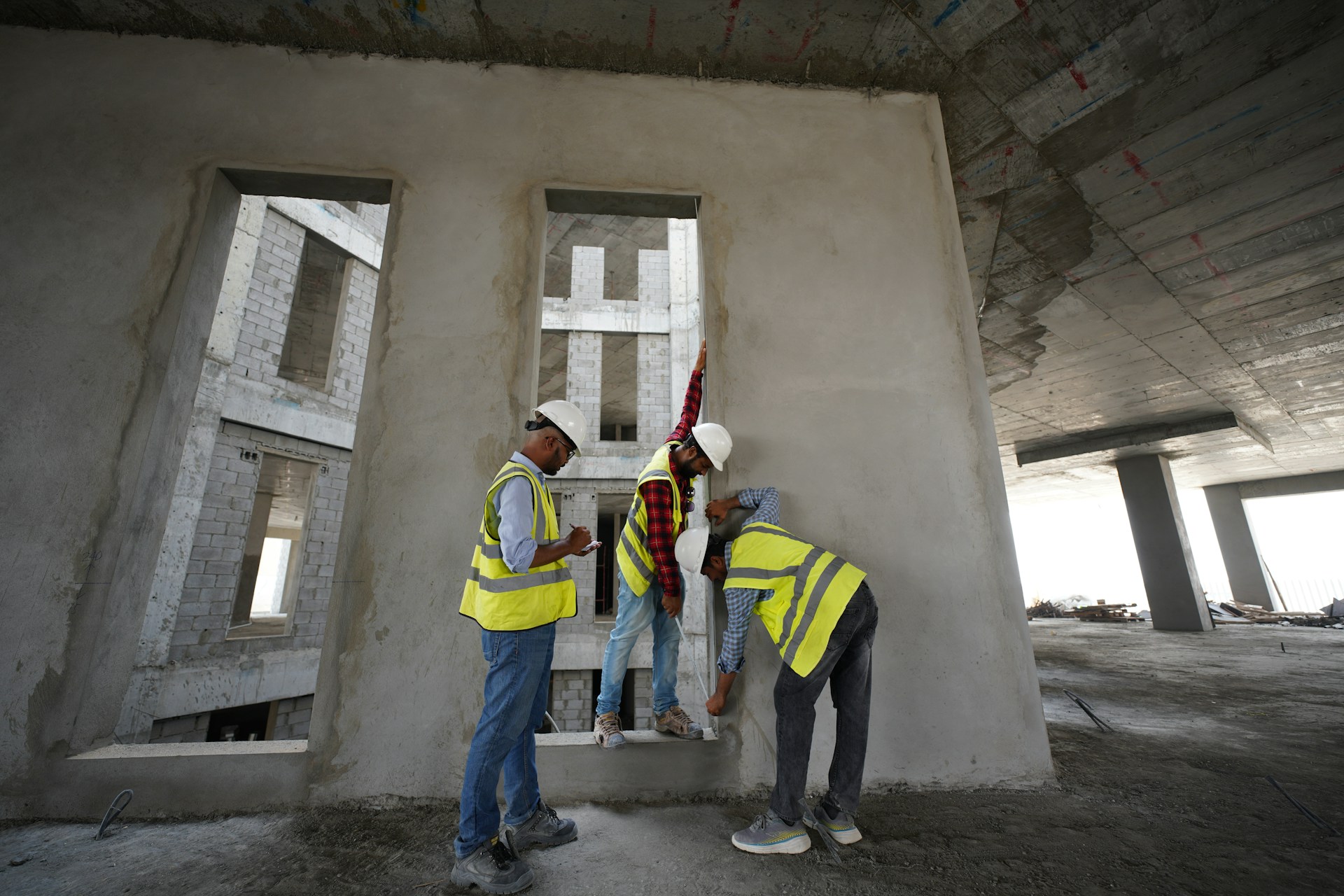
Whether you’re buying an office building, retail center, warehouse, or multi-unit commercial property, understanding the commercial inspection timeline helps you prepare for one of the most important stages of the transaction. A commercial inspection provides a detailed evaluation of a property’s condition, allowing buyers, investors, and lenders to make informed decisions before closing. Unlike a standard home inspection, commercial inspections involve larger buildings, more complex systems, and a broader review of maintenance records and documentation.
Understanding the Commercial Inspection Timeline
Why Inspection Timing Matters
The commercial inspection timeline plays a critical role during the due diligence period. Buyers often have a limited window to inspect the property, negotiate repairs, secure financing, and decide whether to proceed with the purchase. Starting the inspection early provides enough time to review findings and obtain specialist evaluations if unexpected issues are discovered.
A thorough inspection also helps prevent costly surprises after closing. Roof damage, aging HVAC equipment, structural concerns, plumbing issues, or electrical deficiencies can significantly affect repair budgets. Identifying these problems before completing the transaction allows buyers to negotiate repairs, request credits, or adjust purchase terms with confidence.
Factors That Affect the Timeline
Every commercial property is different, so inspection timelines vary depending on several factors. Property size, age, occupancy, accessibility, and the number of building systems being evaluated all influence how long the process takes. A small office building may require only a few hours on-site, while a large industrial facility or shopping center can take an entire day or longer.
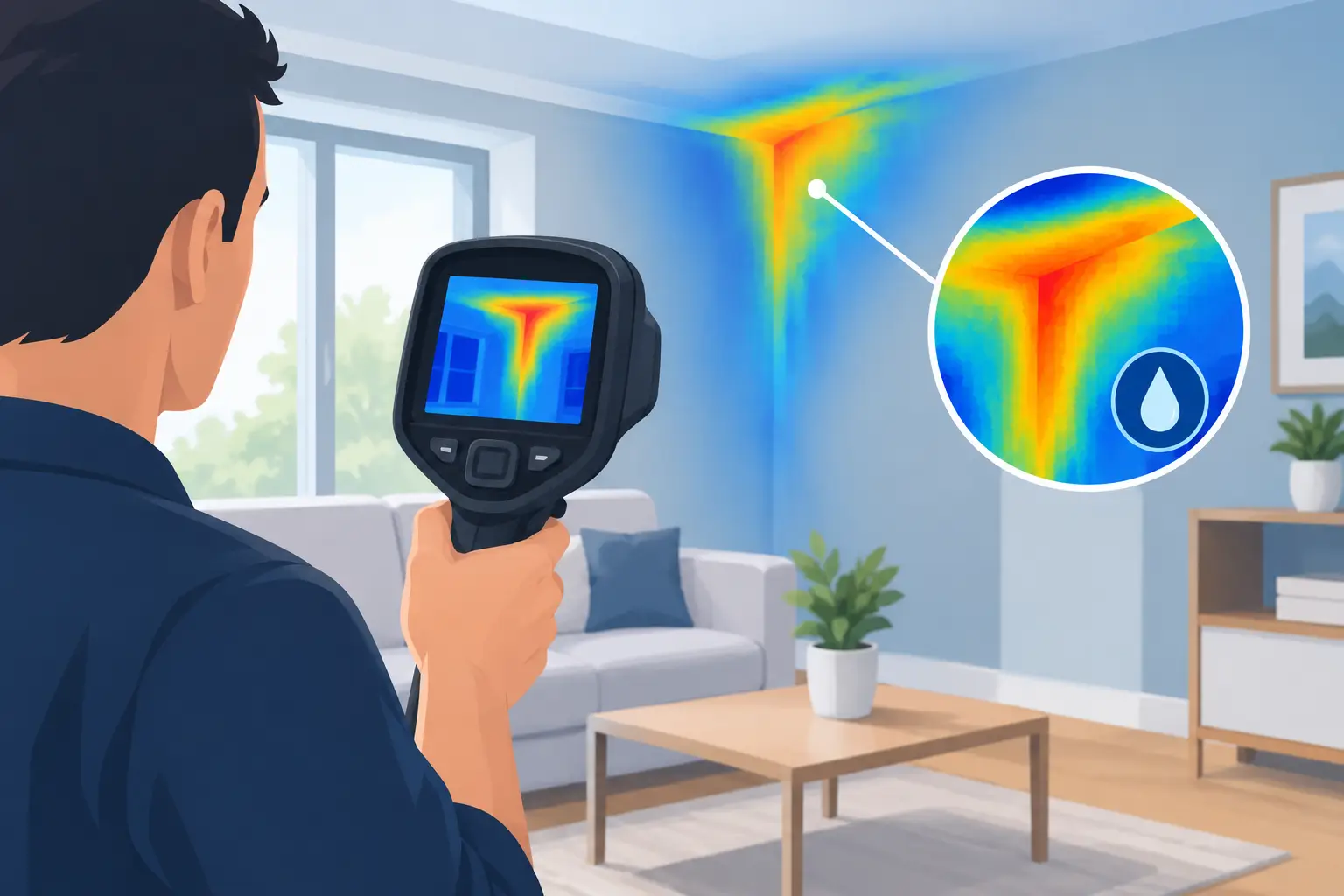
Additional services such as roof inspections, environmental assessments, elevator evaluations, or infrared imaging may extend the schedule. ASTM guidance also recognizes that the level of due diligence varies depending on the property’s complexity, the client’s objectives, and the amount of risk involved.
Before the Inspection Begins
Scheduling the Inspection
The first stage of the commercial inspection timeline begins with defining the inspection scope and scheduling the site visit. Buyers and inspectors discuss the property’s size, building type, occupancy status, and any additional services required. Once expectations are established, the inspector coordinates access with the property owner or manager.
Scheduling early is particularly important during busy real estate seasons when inspectors may have limited availability. Allowing enough time before closing ensures there is room for follow-up evaluations if specialized contractors need to inspect roofing, mechanical systems, or structural components.
Reviewing Property Documents
Before arriving on-site, inspectors typically request available documentation such as maintenance records, previous inspection reports, permits, repair invoices, equipment service histories, and building plans. Reviewing these records provides valuable background information and helps identify recurring maintenance concerns.
Industry guidance recommends combining document reviews with the physical inspection because maintenance history often explains visible conditions found during the walk-through.
Inspection Day
Exterior Evaluation
On inspection day, the process usually begins outside the building. Inspectors examine the roof, exterior walls, parking areas, sidewalks, drainage systems, retaining walls, landscaping, and visible structural components. They also evaluate grading around the building to identify drainage problems that could contribute to water intrusion or foundation issues.
Exterior observations provide valuable insight into the property’s overall maintenance. Cracked pavement, deteriorating sealants, damaged roofing materials, or poor drainage may indicate deferred maintenance that could require future investment.
Interior and Building Systems
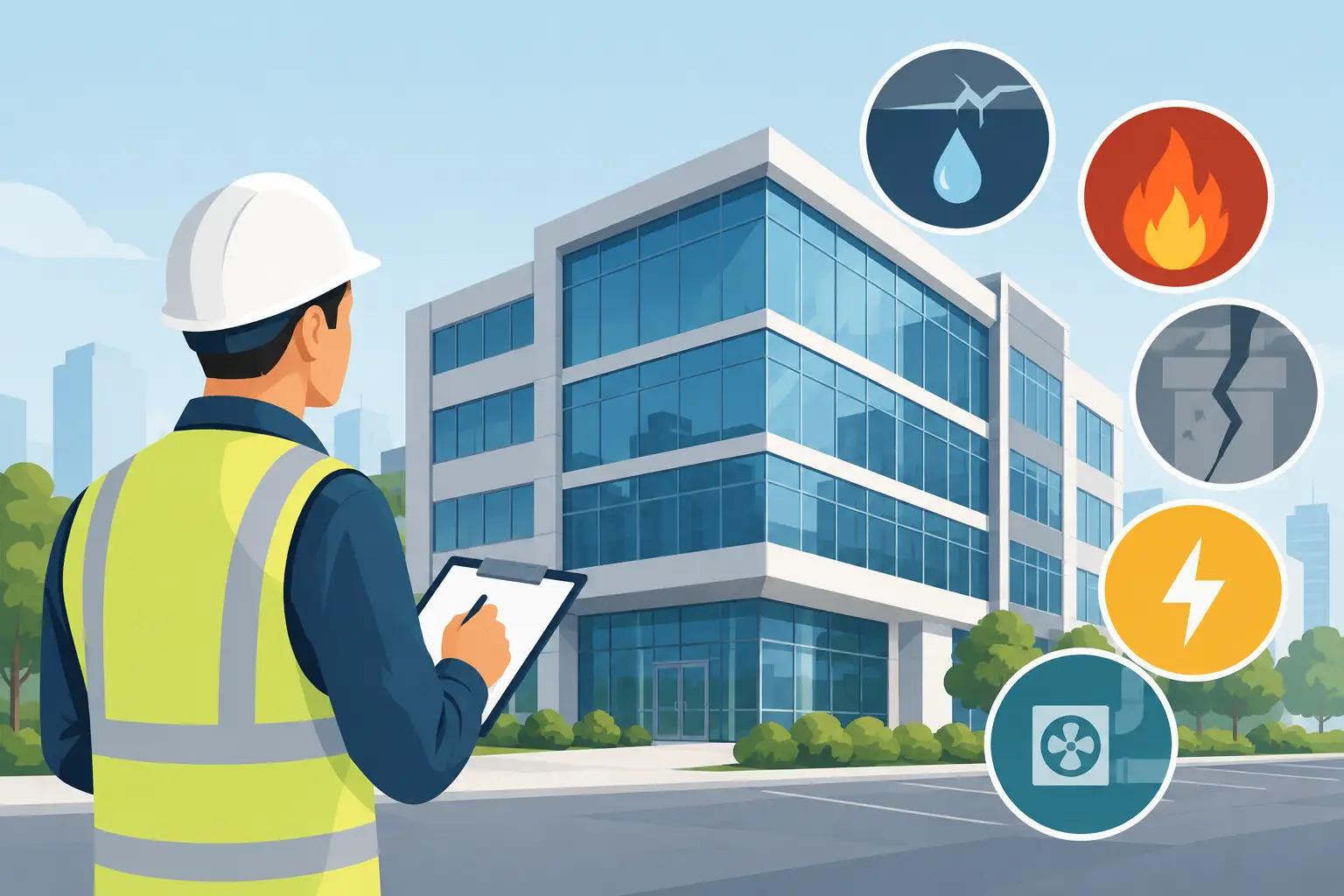
After completing the exterior inspection, attention shifts inside the building. Inspectors evaluate structural components, heating and cooling systems, plumbing, electrical equipment, fire protection systems, lighting, insulation, ceilings, walls, windows, doors, and accessible mechanical rooms.
Rather than performing destructive testing, inspectors conduct a comprehensive visual assessment while reviewing the overall condition and remaining useful life of major building systems. Commercial Property Condition Assessments are designed to identify material physical deficiencies through walk-through observations..
After the On-Site Inspection
Report Preparation
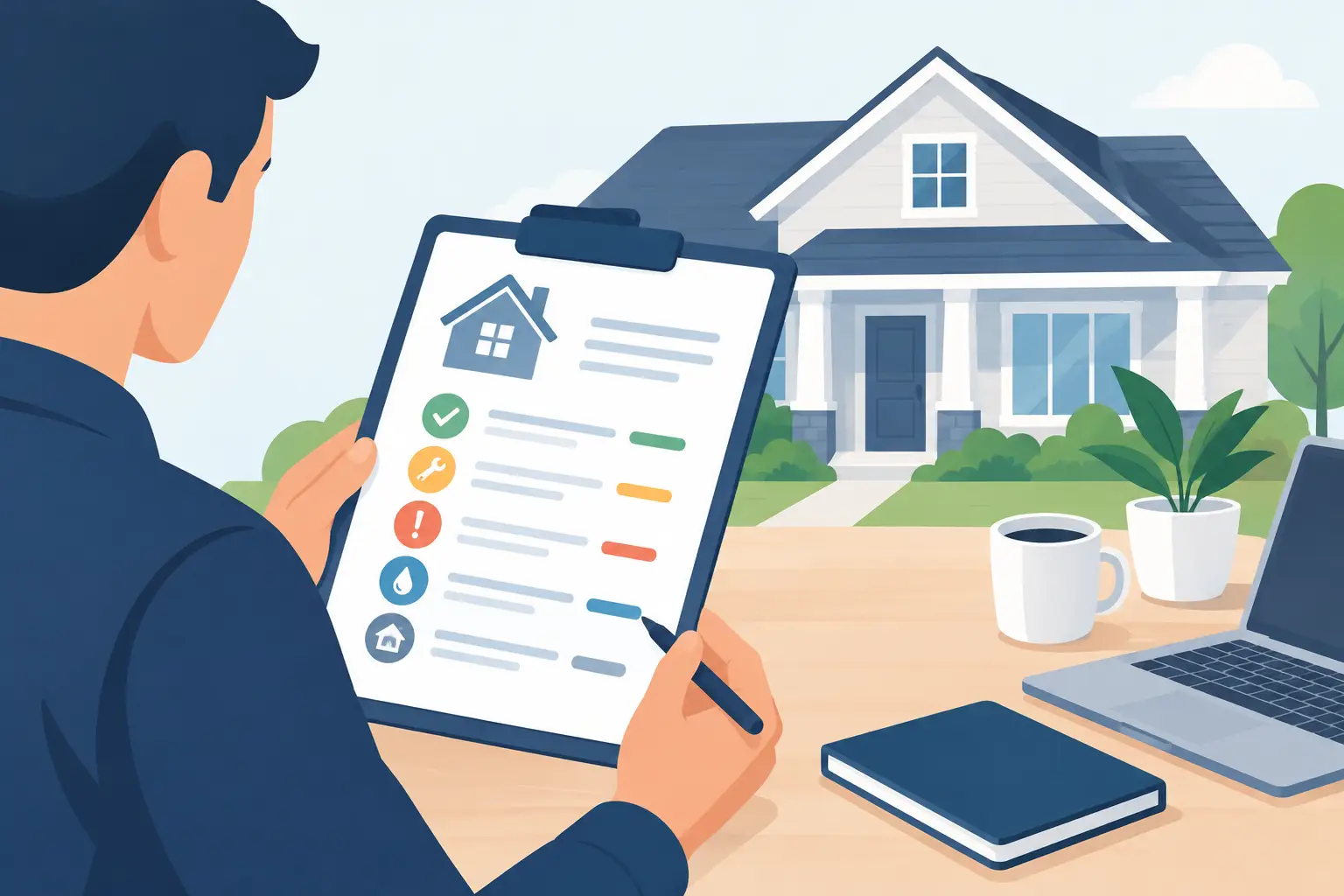
Once the field inspection is complete, the inspector organizes notes, photographs, and observations into a detailed Property Condition Report. This report explains the condition of each major building system, identifies significant deficiencies, estimates remaining service life, and often includes recommendations for repairs or future maintenance planning.
Reviewing Findings
After receiving the report, buyers should carefully review every recommendation with their inspector and realtor. Some findings require immediate attention, while others simply indicate future maintenance needs. Understanding the difference helps buyers prioritize repairs and negotiate effectively during the due diligence period.
If specialized concerns are identified, additional evaluations by licensed electricians, HVAC contractors, roofing specialists, or structural engineers may be recommended before closing.
Common Delays in the Inspection Process
Property Size and Complexity
One of the biggest reasons a commercial inspection timeline extends is property complexity. Multi-building campuses, manufacturing facilities, hotels, medical offices, and warehouses contain specialized equipment that requires more time to inspect thoroughly.
Older buildings may also require additional investigation because aging systems, previous renovations, or incomplete maintenance records can complicate the evaluation process.
Access and Documentation Issues
Inspection delays frequently occur when inspectors cannot access mechanical rooms, tenant spaces, rooftops, or locked utility areas. Missing maintenance records or unavailable property managers may also slow document reviews and prevent inspectors from confirming repair histories.
Preparing the property before inspection day helps reduce these delays and keeps the project moving efficiently. Recent industry guidance notes that inspection schedules are often affected by record availability, property accessibility, and the scope required by lenders or investors.
Tips to Keep the Inspection on Schedule
Prepare Documents Early
Organizing maintenance records, warranties, repair invoices, permits, and equipment service histories before the inspection allows the inspector to complete the review more efficiently. Clear documentation also demonstrates that the property has been properly maintained.
Work with an Experienced Inspector
Choosing an experienced commercial property inspector is one of the best ways to ensure an efficient inspection process. Professionals familiar with commercial buildings understand how to evaluate structural systems, roofing, electrical equipment, HVAC systems, plumbing, fire safety features, and site improvements while following recognized industry standards.
A knowledgeable inspector also communicates findings clearly, helping buyers understand both immediate concerns and long-term maintenance needs without unnecessary delays.
Conclusion
A well-planned commercial inspection timeline helps buyers, investors, and property owners move confidently through the due diligence process. From scheduling and document review to the on-site inspection and final report, every step contributes to a clearer understanding of the property’s condition.
Starting the inspection early, providing complete documentation, and working with a qualified commercial inspector can minimize delays and support informed decision-making. Whether you’re purchasing a small office building or a large commercial facility, understanding what to expect throughout the inspection timeline helps protect your investment and reduces the risk of unexpected repair costs after closing.
Frequently Asked Questions
1. How long does a commercial property inspection usually take?
Most on-site inspections take anywhere from half a day to two days, depending on the property’s size, age, and complexity.
2. What is included in a commercial property inspection?
Inspectors evaluate structural components, roofing, HVAC systems, plumbing, electrical systems, fire protection, parking areas, drainage, and other visible building elements.
3. When is the inspection performed during a commercial real estate transaction?
The inspection is typically completed during the due diligence period before closing, allowing buyers time to review findings and negotiate repairs if needed.
4. Can a commercial inspection delay closing?
Yes. Delays may occur if significant issues require further evaluation, additional specialist inspections, or repair negotiations before the transaction is finalized.
5. Why is a Property Condition Report important?
A Property Condition Report summarizes inspection findings, identifies physical deficiencies, estimates future repair needs, and helps buyers make informed investment decisions.