by Flinn Inspections
Share
by Flinn Inspections
Share

What Is Indoor Air Quality (IAQ)?
Definition and Everyday Impact
Indoor Air Quality, or IAQ, refers to the condition of the air inside your home or workspace. It’s not something you usually think about, right? You walk into a room, take a breath, and move on. But that air carries a mix of particles, gases, and microorganisms that directly affect your health.
Think of it like water. You wouldn’t drink dirty water, but most people breathe untested air every day without a second thought. The difference is you can’t see air pollution easily, which makes it more dangerous. Poor IAQ can slowly impact your lungs, energy, and even your mood.
The air inside your home is constantly changing. Cooking, cleaning, pets, and even furniture release particles into the air. Without proper ventilation, these pollutants build up. That’s where indoor air quality testing becomes essential—it gives you clarity about what you’re actually breathing.
Why People Ignore Indoor Air
Most people assume indoor air is safe. After all, it’s your home—it should be clean, right? But comfort doesn’t equal safety. Just because a room smells fresh doesn’t mean it’s free from harmful particles.
Another reason people ignore IAQ is because the effects are gradual. You don’t suddenly feel sick after one breath. Instead, symptoms show up slowly—fatigue, headaches, allergies. It’s easy to blame stress or weather instead of the air around you.
That’s the tricky part. Indoor air problems are silent. They don’t shout for attention, but they quietly affect your health over time.
Why Indoor Air Is Often Worse Than Outdoor Air
Trapped Pollutants Indoors
It might sound surprising, but indoor air can be more polluted than outdoor air. Why? Because indoor spaces trap contaminants. There’s limited airflow, especially in modern homes designed to be energy efficient.
Imagine closing all windows and doors, then cooking, cleaning, and living inside that space daily. Pollutants don’t disappear—they accumulate. Over time, this creates a concentrated environment of harmful particles.
Outdoor air at least has circulation. Wind and open space help disperse pollutants. Indoors, everything stays close to you.
Everyday Activities That Pollute Air
You don’t need a factory to pollute your air. Everyday activities do the job just fine.
Cooking releases smoke and fine particles. Cleaning products release chemicals. Even something as simple as spraying perfume adds pollutants. Candles, air fresheners, and incense also contribute.
It’s like adding drops of ink into water. One drop doesn’t seem like much. But over time, the water changes color. The same thing happens with your indoor air.
Common Indoor Air Pollutants
Biological Pollutants
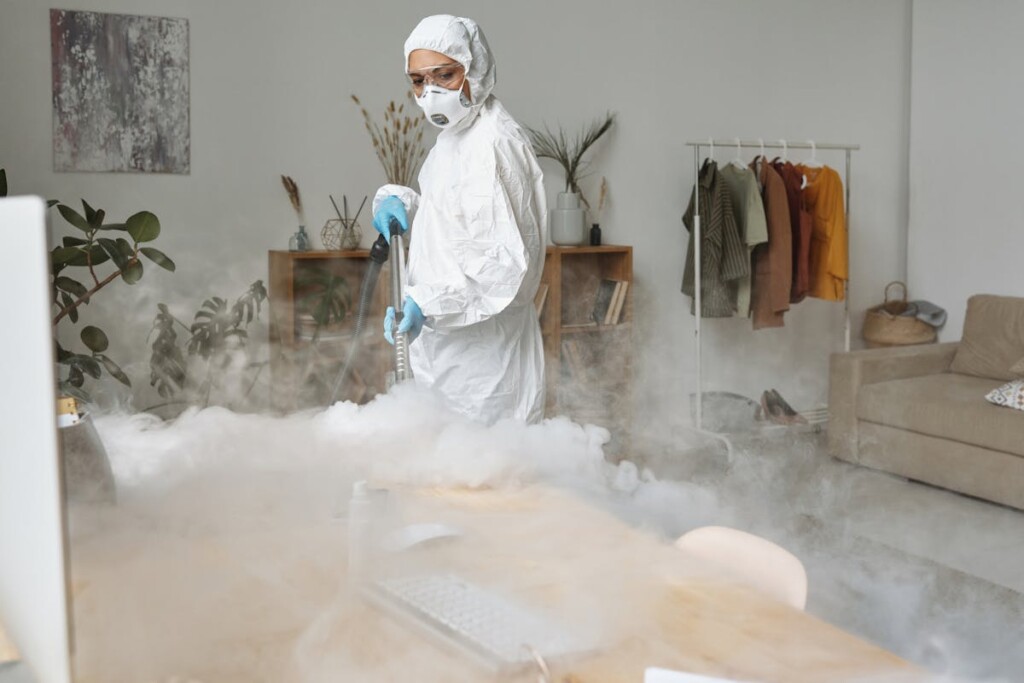
Biological pollutants include mold, bacteria, dust mites, and pet dander. These are living or once-living organisms that float in the air. They thrive in humid environments and can trigger allergies or asthma.
Mold is the most talked-about, but it’s just one part of the picture. Dust mites live in bedding and furniture. Pet dander sticks to surfaces and becomes airborne easily.
These pollutants are especially harmful for children and elderly people. They can cause breathing problems and long-term health issues.
Chemical Pollutants
Chemical pollutants come from everyday products. Paint, cleaning supplies, furniture, and even carpets release volatile organic compounds (VOCs).
These chemicals evaporate into the air and linger for hours or even days. You might notice a strong smell after cleaning—that’s not just fragrance, it’s chemicals in the air.
Long-term exposure to VOCs can affect your lungs and overall health. That’s why testing is important—it identifies these invisible threats.
Invisible Gases
Some of the most dangerous pollutants are gases you can’t see or smell. Carbon monoxide is a prime example. It comes from gas appliances and can be deadly in high amounts.
Other gases include nitrogen dioxide and radon. These don’t give obvious warning signs, which makes them even more dangerous.
Indoor air quality testing helps detect these gases before they become a serious problem.
Why IAQ Testing Matters
Health Effects
Your body reacts to air quality more than you realize. Poor IAQ can cause headaches, dizziness, coughing, and irritation. These symptoms are often mild at first but can worsen over time.
Breathing polluted air daily is like running a marathon with bad shoes. You might manage at first, but eventually, it takes a toll.
Testing your indoor air gives you control. It helps you understand what’s affecting your health and how to fix it.
Long-Term Exposure Risks
Long-term exposure is where things get serious. Poor air quality has been linked to chronic respiratory issues and heart problems.
It’s not about one bad day—it’s about months or years of exposure. That’s why ignoring IAQ isn’t a good idea.
Testing acts like a preventive measure. It helps you catch problems early before they turn into bigger issues.
IAQ Testing Is More Than Mold Detection
VOCs and Chemicals
Many people think air testing is only about mold. That’s a mistake. Modern IAQ testing looks at a wide range of pollutants, especially chemicals.
VOCs are everywhere. From furniture to cleaning sprays, they’re constantly released into the air. Testing helps identify their levels and sources.
Dust and Particles
Dust isn’t just dirt. It’s a mix of skin cells, fibers, and microscopic particles. Fine particles like PM2.5 are small enough to enter your lungs.
These particles come from cooking, smoking, and outdoor pollution. Testing measures their concentration and helps you reduce exposure.
Gas Leaks and Toxic Air
Gas leaks are dangerous because they’re hard to detect without tools. IAQ testing includes sensors that identify harmful gases.
This isn’t just about comfort—it’s about safety. Knowing your air is free from toxic gases gives peace of mind.
Signs You Need Air Quality Testing
Health Symptoms
Your body often gives warning signs. Frequent headaches, allergies, or breathing issues could indicate poor air quality.
If symptoms improve when you leave your home, that’s a strong clue. Your environment might be the problem.
Home Warning Signs
Visible mold, musty smells, and excessive dust are clear indicators. High humidity and poor ventilation also contribute.
If your home feels stuffy or uncomfortable, it’s worth testing the air.
How Indoor Air Quality Testing Works
Professional Testing
Professional testing involves advanced equipment that measures different pollutants. Experts analyze the data and provide detailed reports.
This method is accurate and comprehensive. It’s ideal if you want a full understanding of your indoor air.
DIY Testing Options
DIY kits are more affordable and easy to use. They give basic insights into air quality.
While not as detailed as professional testing, they’re a good starting point.
Benefits of Indoor Air Quality Testing
Health Improvements
Cleaner air leads to better health. You breathe easier, sleep better, and feel more energetic.
It’s like upgrading your environment without moving to a new house.
Better Living Comfort
Good air quality improves overall comfort. Your home feels fresher and more pleasant.
It also reduces odors and allergens, making daily life more enjoyable.
Ways to Improve Indoor Air Quality
Ventilation
Opening windows and improving airflow helps remove pollutants. Fresh air dilutes contaminants and improves IAQ.
Air Cleaning Solutions
Air purifiers and filters remove particles from the air. They’re especially useful in polluted areas.
Lifestyle Adjustments
Simple changes make a big difference. Use natural cleaning products, avoid smoking indoors, and maintain proper humidity levels.
Cost of IAQ Testing
The cost varies depending on the method. DIY kits are affordable, while professional testing costs more but offers detailed results.
Think of it as an investment in your health. Clean air is something you can’t compromise on.
Conclusion
Indoor air quality testing is about much more than mold. It’s about understanding the invisible environment you live in every day. From chemicals to particles and gases, your indoor air can carry hidden risks.
Testing gives you clarity. It helps you take control of your space and protect your health. Clean air isn’t a luxury—it’s a necessity.
FAQs
1. How often should I test indoor air quality?
Testing once a year is a good practice, especially if you notice symptoms or changes in your home.
2. Can indoor plants improve air quality?
They help slightly, but they’re not a complete solution. Proper ventilation and filtration are more effective.
3. Is mold the biggest indoor air problem?
No, mold is just one issue. Chemicals, particles, and gases can be equally harmful.
4. Are air purifiers worth it?
Yes, especially in areas with poor air quality. They help reduce particles and allergens.
5. Can poor air quality affect sleep?
Absolutely. Polluted air can disrupt breathing and reduce sleep quality.