by
Share
by
Share
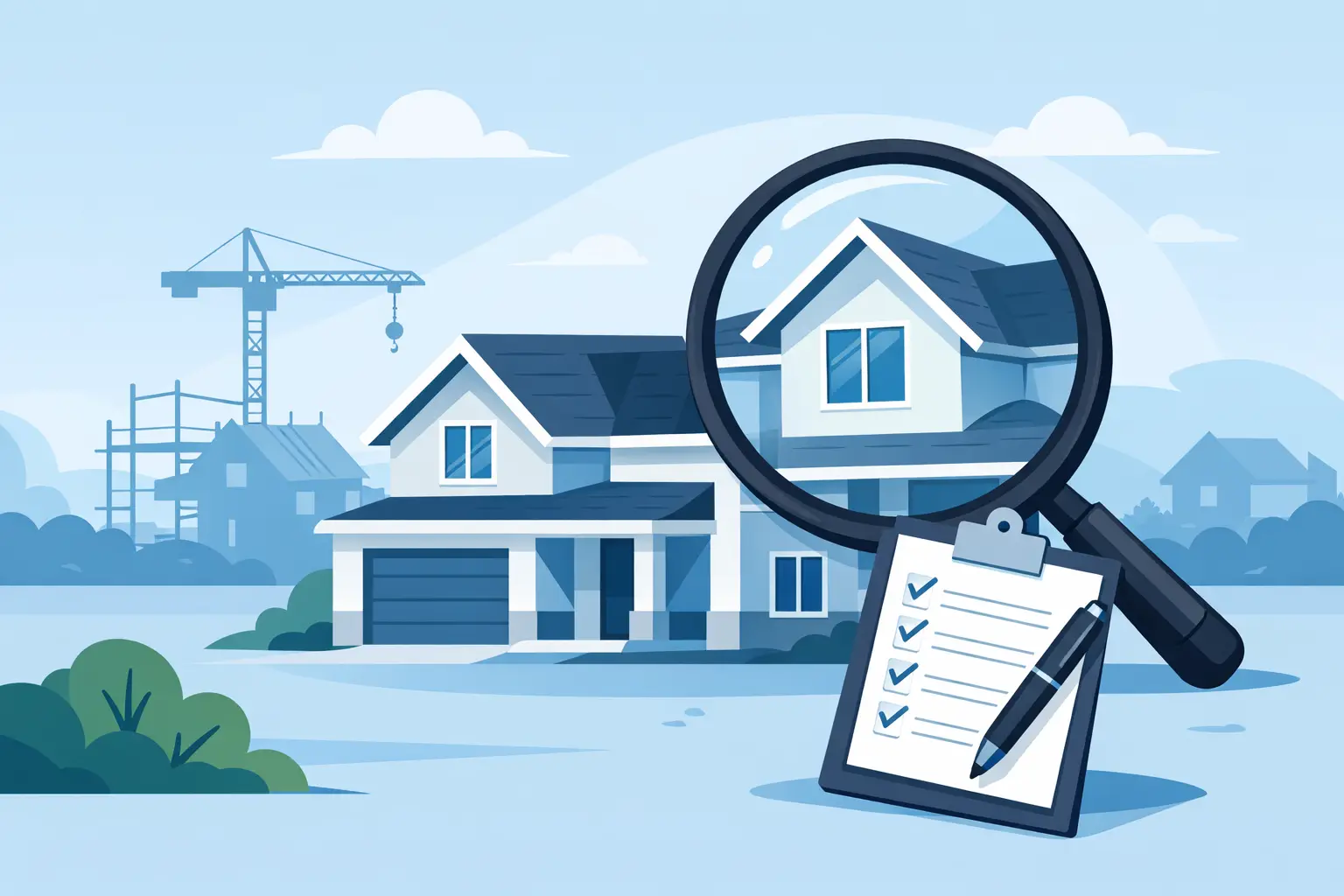
You walk into a brand-new home, see spotless floors, fresh paint, and appliances still wrapped in film, and it is easy to assume nothing could be wrong. That is exactly why so many buyers ask, do new construction homes need inspection? The short answer is yes. New does not mean defect-free. It means no one has lived with the problems yet.
A new build can look excellent on the surface and still have issues behind the walls, in the attic, on the roof, at the foundation, or within major systems. Construction moves fast. Multiple subcontractors touch the property. Municipal code inspections happen, but they are not the same as a private inspection focused on protecting your investment. If you are buying a new construction home, an independent inspection gives you a clearer picture of what was done right, what needs correction, and what should be addressed before you close or before your builder warranty expires.
Why do new construction homes need inspection if the city already inspected them?
This is one of the most common misunderstandings in residential construction. Municipal inspections are limited in scope and time. Their role is to verify minimum code compliance at certain stages. They are not hired by you, and they are not performing a comprehensive condition evaluation of the home from a buyer’s perspective.
A private inspection serves a different purpose. It is more detailed, more client-focused, and more practical. The goal is not just to see whether something may technically pass code. The goal is to identify deficiencies, workmanship concerns, safety issues, installation problems, and signs that a system may not perform as expected. Those are very different standards.
That difference matters because code is the floor, not the ceiling. A home can meet minimum code and still have missing insulation, poor grading, reversed plumbing, loose outlets, damaged shingles, unsafe venting, or moisture concerns that deserve correction.
What builders can miss on a brand-new home
Most builders are not trying to deliver a flawed house. But even strong builders rely on tight schedules, changing crews, and repetitive production. Mistakes happen. Sometimes they are minor cosmetic items. Sometimes they are expensive problems hidden behind a polished final walkthrough.
In new construction inspections, it is not unusual to find roof issues, incomplete flashing, HVAC performance concerns, plumbing leaks, electrical defects, window and door problems, missing GFCI protection, poor drainage, attic ventilation issues, or framing concerns that should have been corrected earlier. In some cases, thermal imaging can reveal temperature anomalies that suggest missing insulation or moisture intrusion before the buyer ever moves in.
This is where timing becomes critical. The earlier a defect is found, the easier it usually is to verify, document, and correct.
The smartest time to inspect a new construction home
If you only schedule one inspection, the final inspection before closing is the bare minimum. But if you want the best protection, phased inspections are the stronger approach.
Pre-pour or foundation stage
This phase can help identify issues with site preparation, drainage planning, and foundation conditions before the slab is poured or foundation work is fully covered. Not every project allows this timing, but when it does, it gives buyers an early look at a part of the home that becomes difficult to evaluate later.
Pre-drywall inspection
This is one of the most valuable inspection points in the entire build. With walls still open, an inspector can evaluate visible framing, plumbing lines, electrical runs, ductwork, and other structural and mechanical components before drywall hides everything. If something is misrouted, loose, cut, unsupported, or incomplete, this is often the best chance to catch it.
Final inspection before closing
This is the stage most buyers think of first. The home is largely complete, systems are operating, and visible finishes are in place. A final inspection can identify safety issues, installation defects, incomplete work, and functional problems before you sign the last stack of documents and take ownership.
11-month warranty inspection
Even if you have already closed, your inspection window may not be over. Most new homes come with a builder warranty, and many problems do not become obvious until the home has gone through seasons, settlement, and daily use. An 11-month warranty inspection helps you document concerns before the builder’s initial warranty period expires.
Do new construction homes need inspection in Central Ohio?
They do, and local conditions make that even more relevant. Central Ohio homes deal with freeze-thaw cycles, heavy seasonal rain, humidity swings, and soil movement that can affect grading, drainage, foundation performance, and exterior materials. New neighborhoods also often involve ongoing site work, disturbed soil, and developing drainage patterns across lots.
That means a new home in places like Powell, Columbus, or Dublin is not insulated from risk simply because the paint is fresh. Water management, insulation performance, attic ventilation, sump systems, grading, and exterior sealing all deserve close attention in this region.
What a new construction inspection should actually cover
A real inspection is more than making a punch list of scratched trim and paint touch-ups. Cosmetic issues matter, but they should not overshadow the bigger systems that affect safety, durability, and long-term cost.
A thorough inspector should evaluate the roof, attic, exterior, structure, grading, foundation, windows, doors, insulation, electrical system, plumbing system, HVAC system, interior finishes, built-in appliances, and garage components. Depending on the property, ancillary services may also make sense, such as radon testing, sewer camera scoping, termite inspection, or mold and air quality testing.
For buyers who want a more complete understanding of how a home is performing, advanced tools matter. Thermal imaging can help identify hidden concerns that are not visible to the naked eye. Gas leak detection can help verify safety at fuel-burning systems and connections. Those added layers are especially useful in new construction because many defects are concealed by finished surfaces.
Common objections buyers have and why they fall short
Some buyers avoid an inspection because the builder has a good reputation. Reputation matters, but it does not replace verification. Even excellent builders work through subcontractors, and even experienced crews make mistakes.
Others assume the home is under warranty, so any issue can just be fixed later. That sounds reasonable until you are living in the property, coordinating repairs, dealing with wall openings, or fighting over whether a problem is warrantable. It is far better to identify concerns before closing whenever possible.
Another common concern is that asking for an inspection will upset the builder. A professional builder should expect informed buyers to protect their investment. Independent inspection is not a hostile act. It is part of prudent due diligence on a major purchase.
What buyers should do with the inspection report
The report is only valuable if it leads to action. Before closing, use it to request repairs, corrections, or written commitments from the builder. Be specific. Ask for licensed trades where appropriate. Reinspection can also be worthwhile when significant items are addressed.
If the inspection occurs near the end of a builder warranty period, submit documented concerns before the deadline. Do not rely on verbal conversations alone. A clear inspection report helps establish timing and condition, which is important if a concern grows into a larger repair discussion.
For buyers working on a tight schedule, same-day reporting can make a real difference. Real estate decisions move quickly, and having clear findings in hand allows you to respond with confidence rather than guesswork.
So, do new construction homes need inspection?
Yes, because new homes are built by people, under deadlines, across multiple phases, with plenty of opportunities for missed details. A private inspection gives you an advocate focused on your side of the transaction. It helps catch problems before they become your problems.
For many buyers, this is the largest investment they will ever make. Treating a new build as if it is exempt from inspection is a costly assumption. The better approach is simple: inspect early when possible, inspect before closing, and inspect again before the warranty ends if needed.
At Flinn Inspection Group, that is how we help protect the purchase, the timeline, and the trust behind it. A brand-new home should bring confidence – not unanswered questions. The right inspection helps make sure it does.