by
Share
by
Share
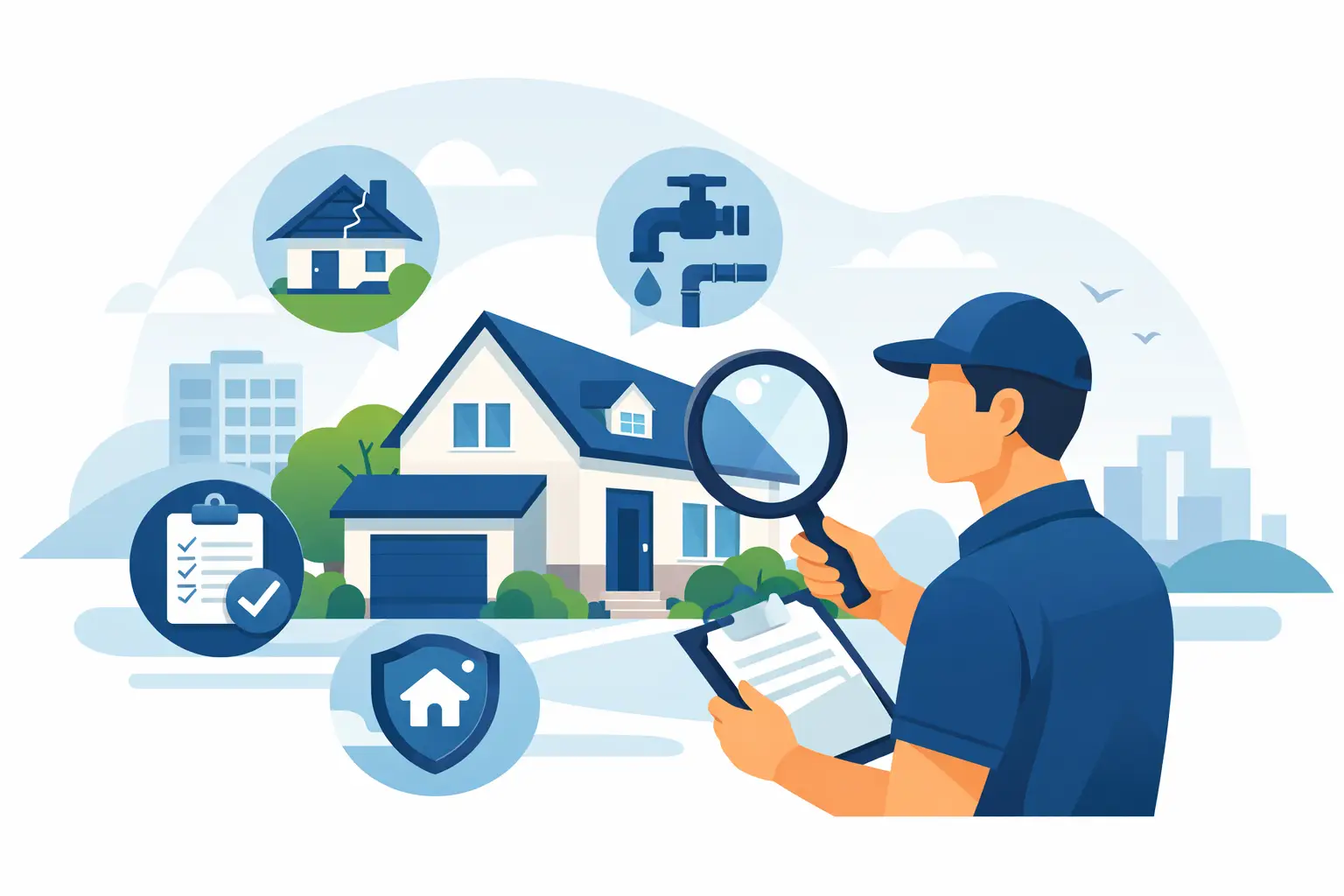
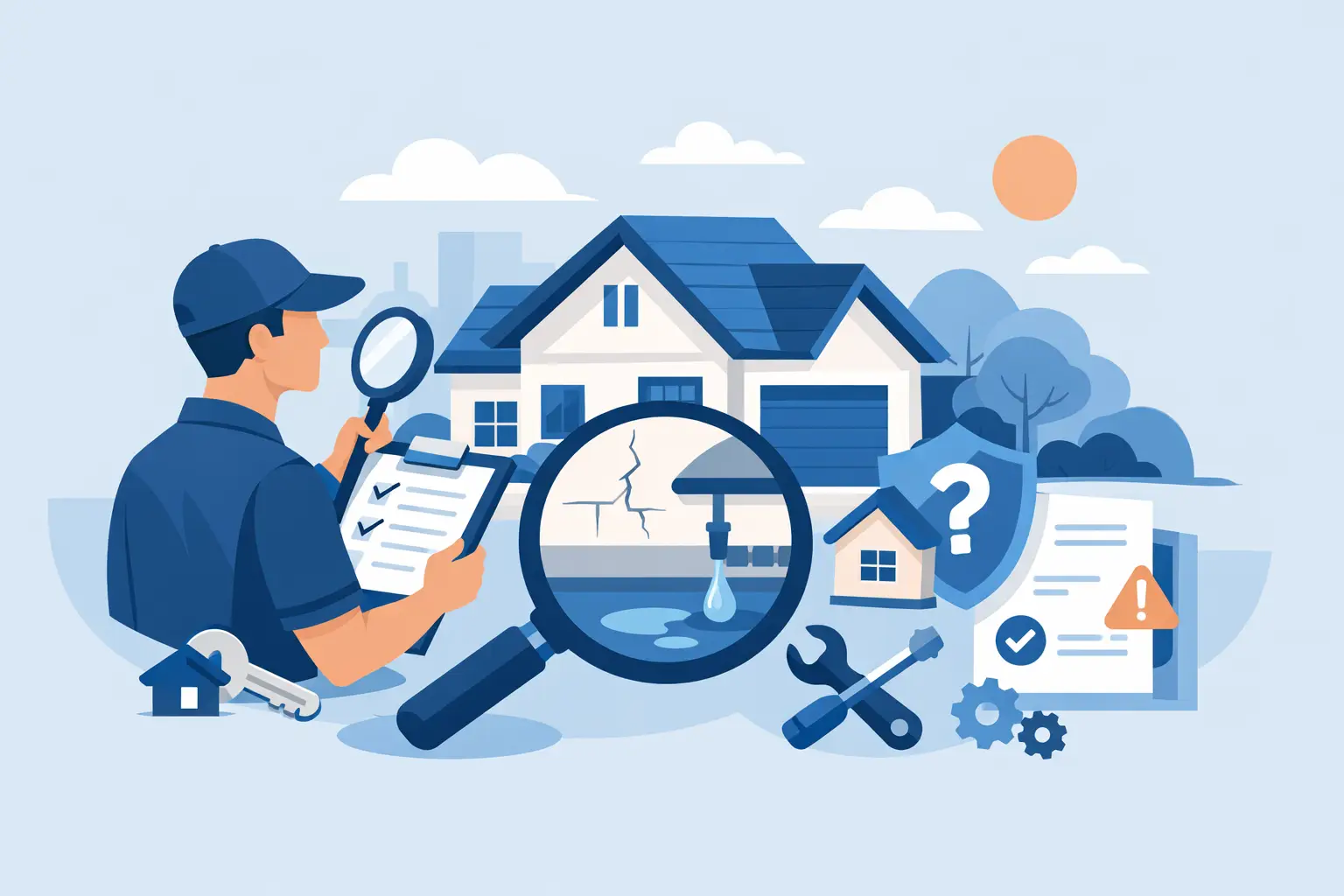
A property can look move-in ready at first glance and still hide drainage problems, unsafe wiring, roof damage, or moisture intrusion behind a finished wall. That is why one of the most common questions buyers and owners ask is, what is a full property inspection, and what do you actually get from it?
A full property inspection is a comprehensive visual evaluation of a home or building’s accessible structure, systems, and major components. Its purpose is simple – identify material defects, safety concerns, aging systems, and performance issues before they turn into expensive surprises. For buyers, it helps you make a confident decision before closing. For homeowners and investors, it gives you a clear picture of condition, risk, and upcoming maintenance.
What is a full property inspection meant to do?
A full property inspection is not a pass-or-fail test, and it is not a guarantee that every hidden issue will be found. It is a professional assessment of the property on the day of the inspection, based on what is visible and accessible. That distinction matters.
A strong inspection is designed to help you understand the true condition of the property, not just whether it is standing. It should uncover major concerns, point out safety issues, explain which components are near the end of their service life, and help you prioritize repairs. In a fast-moving real estate transaction, that kind of clarity protects your investment and gives you leverage to make informed decisions quickly.
For first-time buyers, this often means translating a technical report into practical next steps. For experienced owners or investors, it means separating cosmetic flaws from real budget risks.
What a full property inspection usually covers
The exact scope can vary based on the property type, age, and inspection agreement, but a full inspection generally covers the main systems and structural elements that matter most.
Exterior and site conditions
An inspector typically starts with the outside because many interior problems begin there. Grading and drainage are especially important. If water is moving toward the structure instead of away from it, that can contribute to foundation settlement, basement moisture, and long-term damage.
The inspection usually includes siding, trim, windows, doors, walkways, decks, porches, and visible foundation conditions. Inspectors also look for signs of rot, improper flashing, cracking, and other issues that may affect performance or safety.
Roofing system
The roof is one of the most expensive systems to replace, so this part matters. A full inspection usually includes the roof covering, flashing, penetrations, gutters, downspouts, and visible signs of wear or active leakage.
That does not always mean every roof is walked. It depends on pitch, weather, height, material, and safety conditions. If direct access is not appropriate, a qualified inspector may assess it from the ground, ladder edge, or other safe vantage points. What matters is an honest evaluation, not forcing access where it creates risk.
Structure and foundation
Inspectors look for signs of movement, settlement, bowing, cracking, and moisture intrusion in the foundation and structural framing where visible. In unfinished basements or crawl spaces, they may evaluate support posts, beams, joists, and subflooring for concerns that suggest structural stress or water impact.
Not every crack is a structural emergency. Some are minor and common with age. The value of a full property inspection is knowing the difference between normal settling and conditions that deserve further evaluation.
Plumbing system
A full inspection generally includes visible supply lines, drain lines, fixtures, faucets, tubs, showers, toilets, and the water heater. Inspectors check for leaks, corrosion, poor water pressure, drainage issues, and signs that plumbing materials may be outdated or nearing failure.
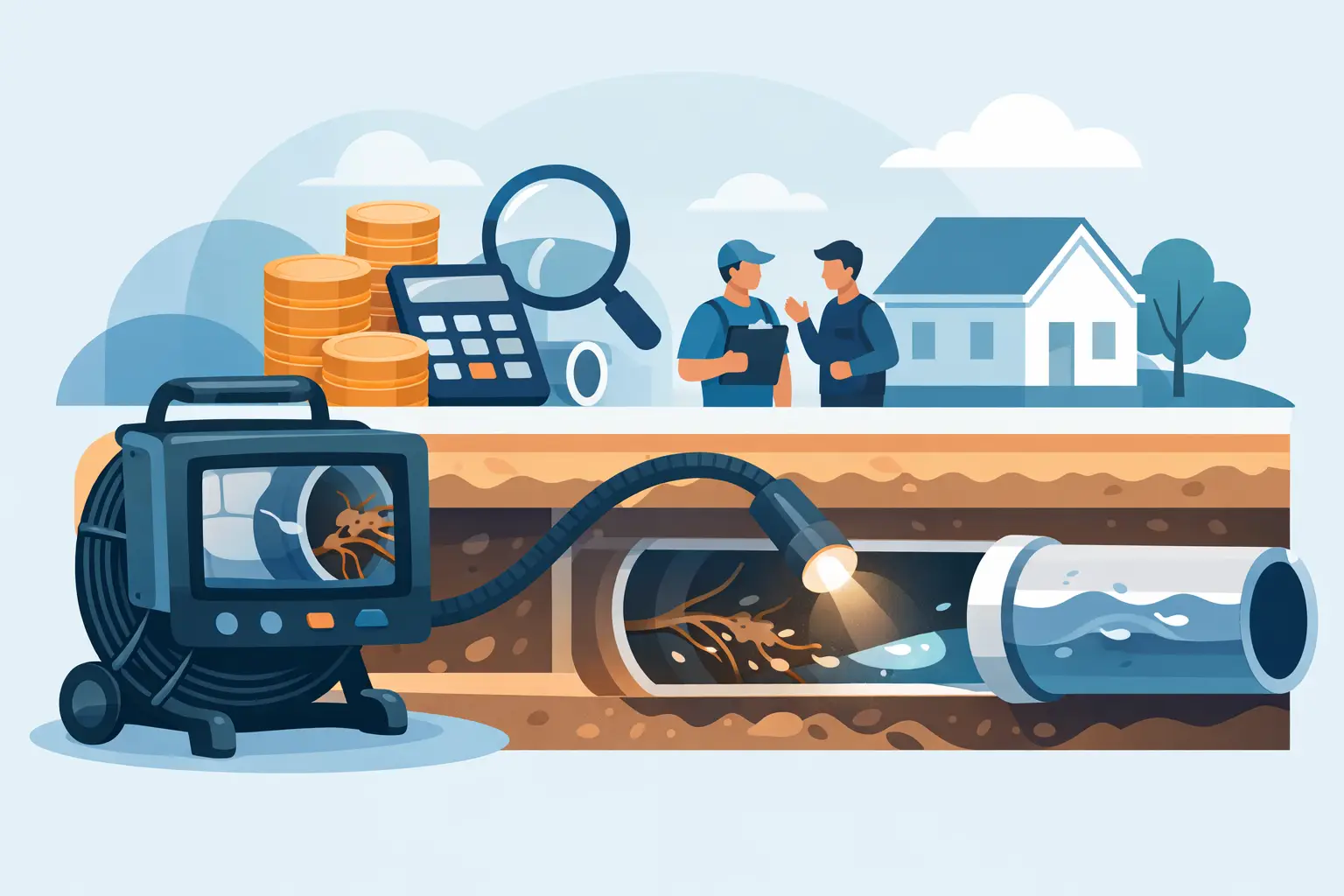
Depending on the property, this may also lead to recommendations for added services. For example, an older home or one with recurring drain concerns may benefit from a sewer camera scope. That is not always part of a standard full inspection, but it can be one of the smartest add-ons when underground piping is a concern.
Electrical system
Electrical defects are among the most serious issues found during inspections because they can affect both safety and insurability. A full inspection usually includes the service entrance, panel, breakers, visible wiring, switches, receptacles, and representative light fixtures.
Inspectors look for improper wiring methods, missing safety features, overloaded panels, double taps, damaged receptacles, and signs of amateur repairs. In some homes, especially older ones, electrical concerns are not obvious to the buyer but can become costly very quickly.
Heating and cooling
The HVAC system is evaluated for general operation and visible condition. This includes the heating equipment, cooling equipment when seasonal conditions allow, thermostats, ductwork where accessible, and signs of poor installation or deferred maintenance.
A full inspection can tell you whether a system is functioning at the time of the appointment and whether there are visible concerns. It cannot predict exactly how many years are left, but it can often identify when a unit appears near the end of its expected life.
Interior rooms, walls, ceilings, and floors
Inside the home, the inspector moves room by room looking for staining, cracking, uneven floors, damaged finishes, missing safety items, and evidence that previous repairs may be hiding a larger issue.
This is where experience matters. A water stain, for example, is not just a cosmetic note. It raises questions about whether the issue is active, whether the source was corrected, and whether hidden materials may have been affected.
Attic, insulation, and ventilation
Attics often tell the real story of a home’s performance. A full inspection may include attic access, insulation levels, ventilation patterns, visible roof framing, and signs of leaks, mold-like growth, or past repairs.
Poor attic ventilation can shorten roof life and contribute to moisture problems. Inadequate insulation can drive up energy costs. These are not small details when you are evaluating the true cost of ownership.
What is not usually included in a full property inspection?
This is where expectations need to be realistic. A standard full inspection is broad, but it is still a visual inspection. Inspectors do not typically open finished walls, move heavy furniture, dismantle equipment, or evaluate areas that are blocked or unsafe to access.
Many specialized items also fall outside a standard inspection unless they are added separately. That may include radon testing, mold or air quality testing, termite inspections, septic inspections, well water testing, pool inspections, fireplace inspections, asbestos evaluation, lead-based paint concerns, and sewer scoping.
That does not make the full inspection less valuable. It means the inspection should match the property. If the home has a private well, an older sewer line, a crawl space moisture history, or environmental concerns, a one-size-fits-all approach is not enough.
Why the report matters as much as the inspection
A thorough inspection in the field is only half the job. The report is what helps you act on the findings.
A strong report should clearly identify material defects, explain why they matter, and distinguish between maintenance items and more significant concerns. It should give buyers, owners, and agents a practical path forward. Fast delivery matters too, especially in active markets where decision windows are tight.
This is one reason many clients prefer an inspection company that can handle core inspection services and ancillary testing under one roof. When thermal imaging, gas leak detection, and additional evaluations are available through the same provider, you get a more complete picture without juggling multiple vendors.
When a full property inspection is most valuable
Most people associate inspections with buying a home, and that is still the most common use case. But it is far from the only one.
A full inspection is also useful before listing a property, near the end of a builder warranty period, after major weather events, or when an investor wants a faster understanding of repair exposure. Commercial owners can benefit too, especially when evaluating maintenance liabilities before acquisition or lease decisions.
In Central Ohio, where properties range from older homes with aging systems to newer builds with warranty timelines, the best inspection is the one that fits the stage of ownership and the specific risk profile of the building.
How to know if you are getting a true full inspection
Not every inspection is equally thorough. A true full property inspection should cover every accessible major system, use modern diagnostic tools where appropriate, and give you a report that supports real decisions. It should also leave room for questions.
That is especially important if you are a first-time buyer. You should not walk away with a document full of technical language and no clear understanding of what needs immediate attention, what can wait, and what deserves specialist follow-up.
The best inspection experience is educational, direct, and protective of your investment. That means the inspector is not there to create fear or smooth over issues. The job is to give you the facts, explain the risk, and help you move forward with confidence.
For buyers, owners, and investors alike, a full property inspection is not just another box to check. It is one of the clearest chances you get to understand what you are really buying – and what that property may ask from you next.