by Flinn Inspections
Share
by Flinn Inspections
Share

Introduction: Protecting Rental Property Investments
Investing in rental properties can be highly rewarding, but it also comes with risks. One of the most effective ways investors protect their investment is by using a 5-point home inspection. This targeted inspection focuses on the essential systems of a property, helping buyers make informed decisions and avoid costly surprises.
In this guide, we’ll explore what 5-point inspections are, why they’re popular among investors, and how they help maintain the safety and profitability of rental properties.
What Is a 5-Point Home Inspection?
Definition and Purpose
A 5-point home inspection is a streamlined evaluation that focuses on the five most critical systems in a property. Unlike a full home inspection, it doesn’t cover cosmetic issues, minor repairs, or optional features. See the Service Here.
The goal is to give investors a quick, accurate overview of the property’s structural and mechanical health.
Difference Between Full Home Inspections and 5-Point Inspections
Full inspections are comprehensive, covering everything from roofs to landscaping. They are thorough but time-consuming and costly.
5-point inspections focus only on the systems most likely to affect safety, habitability, and long-term repair costs:
- Roof
- Electrical panel and systems
- Plumbing
- HVAC (heating, ventilation, air conditioning)
- Structural components (foundation, attic)
This focus makes them ideal for investors who need fast, actionable information.
The Five Key Areas Covered in a 5-Point Inspection
Roof
Inspectors look for:
- Leaks
- Missing shingles or damage
- Proper flashing and drainage
Roof issues can quickly become expensive if ignored.
Electrical Panel and Systems
Evaluation includes:
- Circuit breakers
- Wiring safety
- Outlets and switches
Faulty electrical systems are a major safety hazard and liability for landlords.
Plumbing Systems
Inspectors check:
- Water lines
- Drains
- Water heaters
Leaking pipes or inefficient systems can lead to water damage and high repair costs.
HVAC Systems (Heating and Cooling)
A working HVAC system is critical for tenant comfort and efficiency:
- Furnace and air conditioner operation
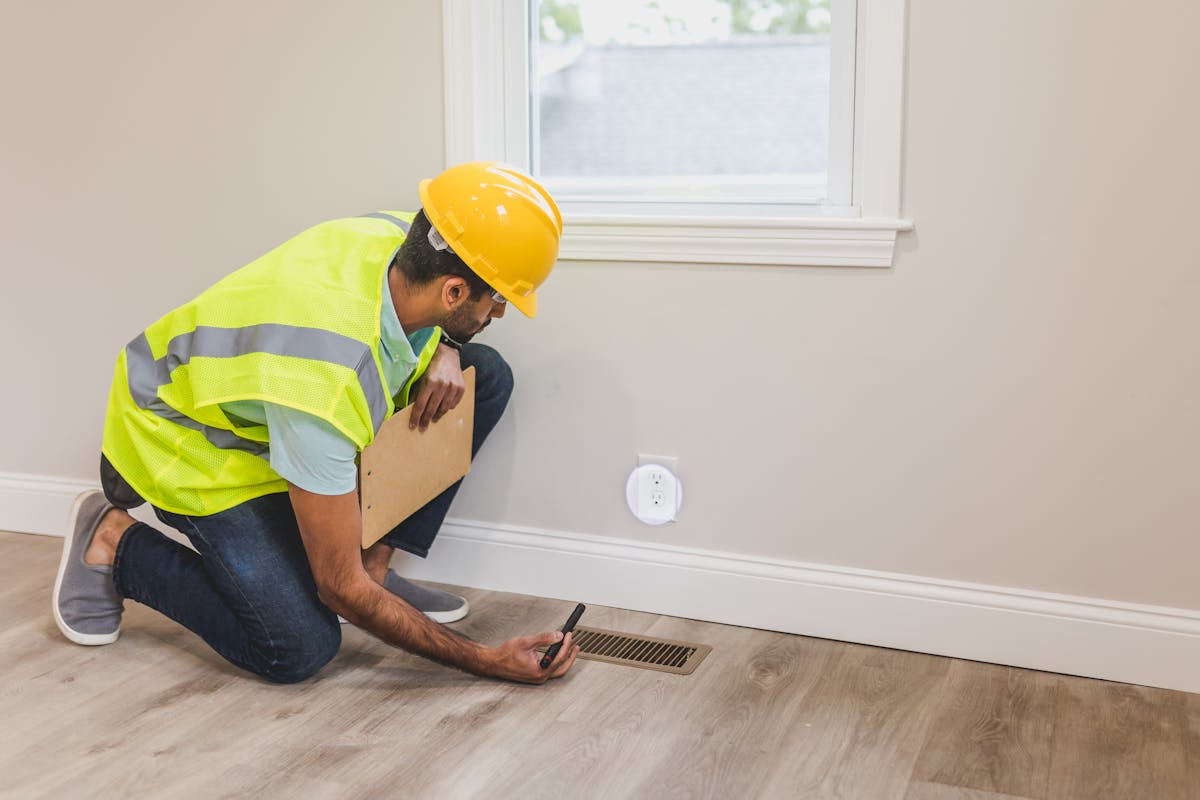
- Ductwork inspection
- Thermostat and control checks
Structural Components (Foundation and Attic)
The foundation and attic support the entire structure:
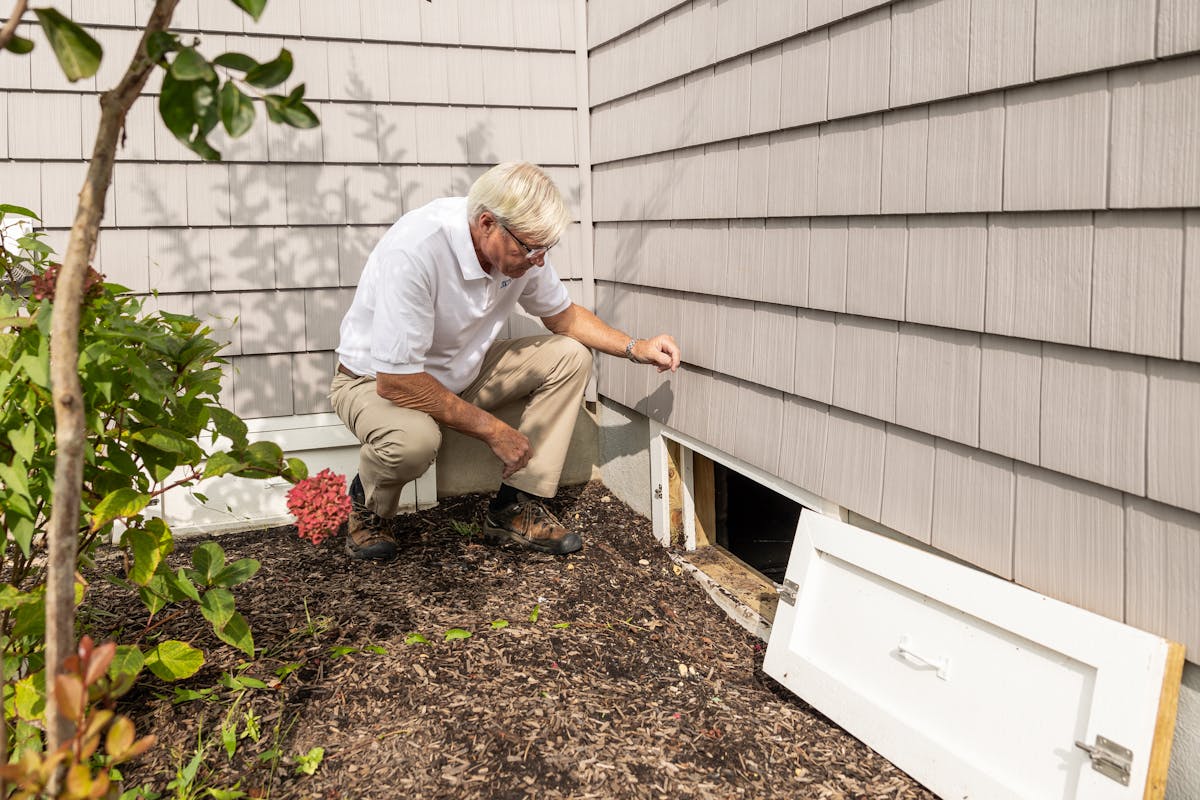
- Foundation cracks or settling
- Proper insulation
- Roof framing
Structural issues are the most expensive to repair, so early detection is essential.
Why 5-Point Inspections Are Ideal for Investors
Time Efficiency
These inspections are shorter than full inspections, often completed in 1–2 hours, allowing investors to evaluate multiple properties quickly.
Cost-Effectiveness
Because they focus on critical areas, 5-point inspections are cheaper than full home inspections.
Focus on Critical Systems
Investors prioritize safety, long-term maintenance, and potential repair costs. 5-point inspections give exactly the information needed for those decisions.
How a 5-Point Inspection Helps Mitigate Risks
Preventing Unexpected Repair Costs
By identifying issues early, investors can budget for repairs or negotiate better purchase terms.
Avoiding Tenant Complaints and Safety Hazards
Ensuring essential systems are sound reduces complaints and keeps tenants safe, protecting rental income.
Insurance and Compliance Benefits
Some insurers and lenders require inspection reports for coverage or financing. A 5-point inspection meets these requirements efficiently.
Common Issues Found During 5-Point Inspections
Roof Leaks and Damage
Shingle damage, ponding water, and improper flashing can lead to major repairs.
Electrical Hazards
Exposed wires, overloaded circuits, or outdated panels are common issues found.
Plumbing Problems
Leaks, corroded pipes, and inefficient water heaters affect cost and habitability.
HVAC Inefficiencies
Dirty filters, broken compressors, or duct leaks reduce efficiency and tenant comfort.
Foundation or Structural Concerns
Cracks, settling, or inadequate framing can compromise safety and require costly repairs.
How Investors Use Inspection Reports to Make Decisions
Negotiating Purchase Prices
Identified issues give leverage to negotiate lower prices or request seller repairs.
Planning Repairs and Renovations
Investors can prioritize urgent fixes and plan renovation budgets effectively.
Prioritizing Maintenance Budgets
Knowing potential problems helps allocate funds wisely and avoid unexpected costs.
Choosing the Right Inspector for a 5-Point Inspection
Licensing and Certification
Ensure your inspector is licensed, insured, and certified to provide accurate and reliable reports.
Thorough Reporting and Documentation
Detailed reports with photos and notes make it easier to justify repairs, budgets, or negotiation points.
Advantages Over DIY or Partial Checks
Professional Expertise
Trained inspectors can spot hidden problems a DIY check may miss.
Accuracy and Accountability
Professional inspections carry credibility and are often required for lender or insurance purposes.
Avoiding Oversights That Could Cost Thousands
Missing critical issues like foundation cracks or electrical hazards can be extremely expensive to fix later.
Conclusion: The Smart Choice for Property Investors
A 5-point home inspection is a vital tool for investors who want a focused, cost-effective way to evaluate rental properties. It highlights potential risks, ensures tenant safety, and supports financial decision-making.
For landlords and property investors, this inspection is not just convenient—it’s a strategic move that protects both money and investment.
FAQs
1. What is the main difference between a 5-point and full home inspection?
A 5-point inspection focuses on the five critical systems, while a full inspection covers all aspects of the property, including cosmetic issues.
2. How long does a 5-point inspection take?
Typically 1–2 hours, depending on property size and accessibility of systems.
3. Can a 5-point inspection prevent unexpected repair costs?
Yes. By highlighting critical issues early, it helps investors budget and negotiate effectively.
4. Is a 5-point inspection sufficient for older rental properties?
It’s a great starting point for assessing essential systems, but older homes may also benefit from a full inspection for non-critical areas.
5. Do lenders accept 5-point inspection reports for financing?
Many lenders and insurance companies accept them, especially for investment properties, but requirements can vary.