by Flinn Inspections
Share
by Flinn Inspections
Share
Mold is more than just an unsightly patch in your home—it’s a silent invader that can damage your property and affect your health. It thrives in damp, dark, and poorly ventilated areas, and once it starts spreading, it can be difficult to remove completely. While mold can appear almost anywhere, some areas of a home are particularly prone to growth. By understanding these spots and taking preventive steps, homeowners can protect both their property and their family’s well-being.
In this guide, we will explore three common mold areas, why mold grows there, and practical tips to prevent it from taking hold. This information is essential for anyone looking to maintain a clean, healthy home environment.
1. Bathrooms
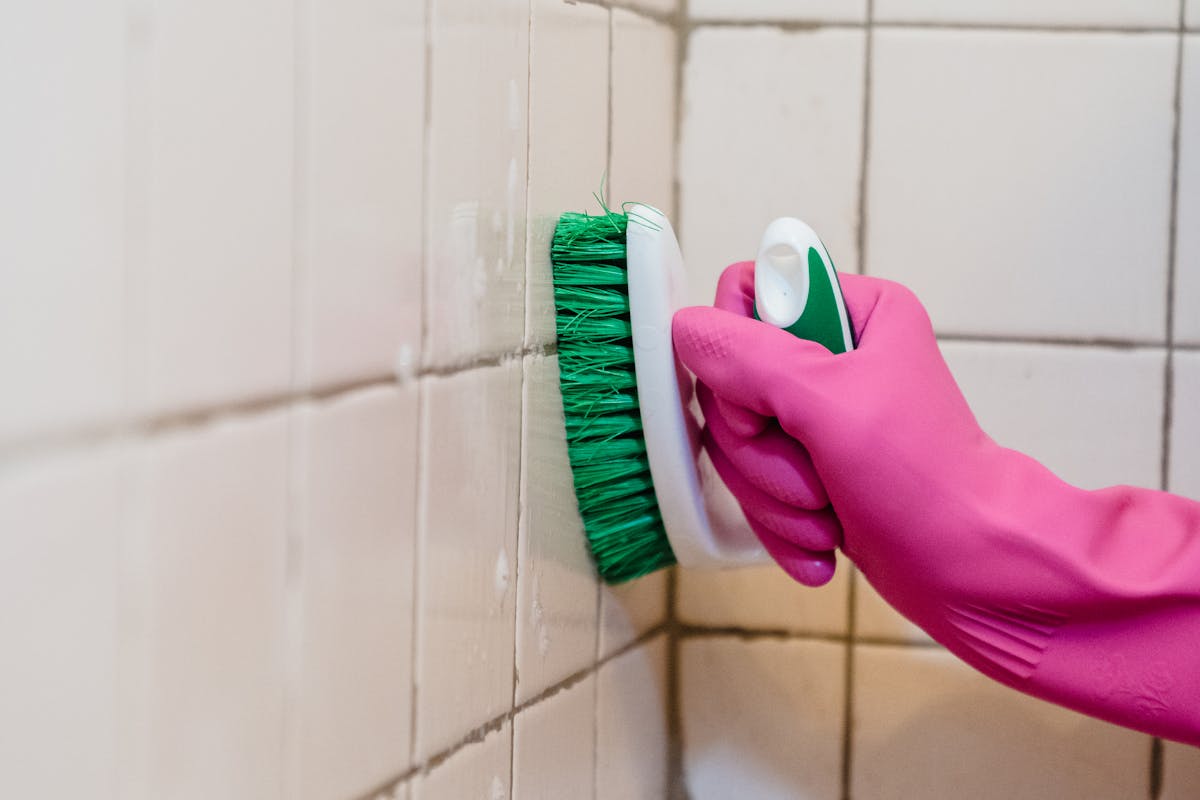
Bathrooms are one of the most obvious places for mold to appear. They are naturally humid spaces, with steam from showers and baths creating the perfect conditions for mold spores to thrive. Tile grout, shower curtains, under-sink cabinets, and even ceiling corners are hotspots for mold growth. Even a small leak behind a toilet or under a sink can lead to significant mold problems if left untreated.
Mold in bathrooms often appears as black, green, or brown specks along grout lines, around faucets, or behind cabinets. Poor ventilation exacerbates the problem, as moisture lingers in the air and on surfaces. Regular cleaning alone is not enough; ensuring proper airflow and repairing leaks promptly are critical steps in prevention. Installing exhaust fans or opening windows after showering can dramatically reduce moisture accumulation, making it harder for mold to thrive.
Another factor is the use of porous materials, like wooden cabinets or fabric shower curtains, which absorb moisture and provide a breeding ground for spores. Using water-resistant materials, wiping surfaces dry, and performing periodic checks behind cabinets can help homeowners stay ahead of mold before it spreads.
2. Kitchens
Kitchens are another common mold-prone area. The combination of heat, moisture, and organic material—such as food particles—creates ideal conditions for mold. Leaks under sinks, around dishwashers, or from refrigerators can go unnoticed for months, allowing mold to establish itself. Cabinets, walls behind appliances, and even ceilings near sinks are typical spots where mold can appear.
Signs of mold in kitchens include dark stains under cabinets, discoloration around sinks, and a musty smell. Kitchens with poor ventilation, especially those without exhaust fans or windows, are at higher risk. Spills left uncleaned or standing water in sinks can accelerate mold growth, as can condensation from hot water or cooking steam.
Preventing mold in kitchens involves several steps: inspect under sinks regularly, wipe down surfaces after spills, and maintain appliances to prevent leaks. Using moisture-absorbing materials inside cabinets and ensuring proper airflow can significantly reduce the chances of mold taking hold. Additionally, regular cleaning with natural antifungal solutions, such as vinegar or hydrogen peroxide, helps eliminate spores before they establish colonies.
3. Basements
Basements are often the most overlooked space in a home, yet they are one of the most common mold areas. They tend to be cooler, darker, and more humid than the rest of the house. Water intrusion from foundation cracks, poor drainage, or flooding can create persistent dampness, making basements a prime target for mold. Stored items like cardboard boxes, rugs, and old furniture can also absorb moisture and provide additional surfaces for mold growth.
Mold in basements may appear on walls, floors, around windows, or on belongings. Even condensation on pipes or walls can provide enough moisture for mold spores to start multiplying. Because basements are often used for storage, mold can go unnoticed until it spreads significantly, affecting both the structure and stored items.
Prevention in basements begins with controlling moisture. Installing a dehumidifier, sealing cracks, and ensuring proper drainage around the foundation are essential steps. Avoid storing items directly on the floor and keep frequently inspected areas dry. Regularly checking for leaks and condensation, especially after heavy rain, allows homeowners to address problems before mold spreads.
Detecting Mold Early
Early detection is key to preventing serious mold damage. Some common indicators include:
- Musty or earthy odors, particularly in damp spaces
- Discoloration on walls, ceilings, or furniture
- Peeling paint or wallpaper in areas prone to moisture
- Respiratory symptoms or allergies that worsen indoors
Homeowners can also use moisture meters or conduct periodic visual inspections in hidden or less-frequented areas. Catching mold early makes removal easier, less expensive, and safer.
Prevention Tips
Maintaining a mold-free home is all about moisture control and ventilation. Some practical steps include:
- Fix all leaks promptly, whether from plumbing, roofing, or appliances
- Use exhaust fans in bathrooms and kitchens to remove excess moisture
- Keep indoor humidity below 50% with dehumidifiers if needed
- Clean and dry areas immediately after water exposure
- Use mold-resistant paints and materials in vulnerable spaces
- Inspect hidden and damp-prone areas regularly
Implementing these strategies helps prevent mold from taking root, protecting both your property and your family’s health.
Conclusion
Mold is a common but preventable problem in homes. Bathrooms, kitchens, and basements are the areas most susceptible to growth due to their moisture levels, poor ventilation, and frequent water exposure. By understanding why mold appears in these locations and taking proactive steps, homeowners can minimize the risk of damage and health issues. Regular inspections, prompt repairs, and proper ventilation are simple yet effective ways to keep your home mold-free. Staying vigilant in these key areas ensures a safer, healthier living environment for everyone.
FAQs
1. What are the most common mold areas in a home?
Bathrooms, kitchens, and basements are the areas most prone to mold growth due to high moisture levels.
2. How can mold affect health?
Mold can cause allergic reactions, respiratory issues, and worsen asthma or other sensitivities.
3. Can I clean the mold myself?
Small patches can often be cleaned with antifungal solutions, but large infestations may require professional remediation.
4. How do I prevent mold from returning?
Control moisture, fix leaks, ensure proper ventilation, and use mold-resistant materials where possible.
5. Is mold always visible?
No. Mold can grow behind walls, under flooring, or in hidden spaces, making inspections essential.