by Flinn Inspections
Share
by Flinn Inspections
Share
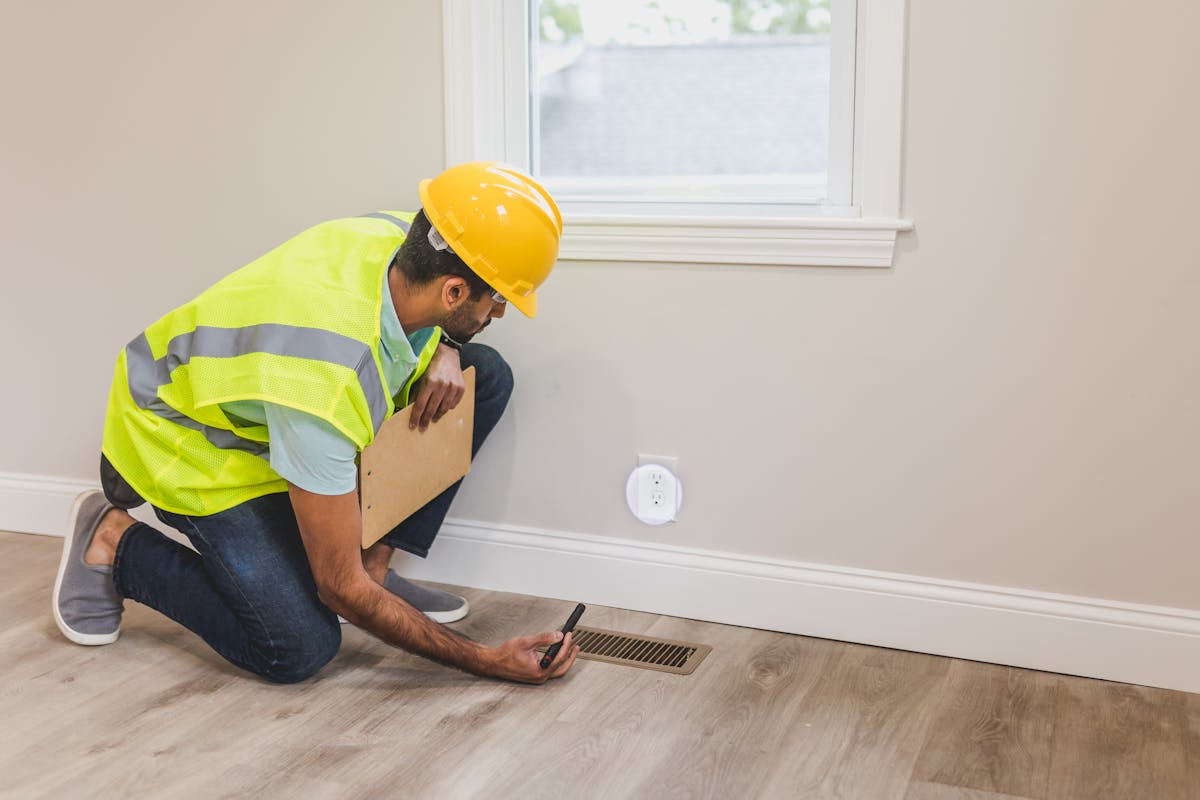
Buying a house is one of the biggest financial decisions most people will ever make. The excitement of imagining life in a new home can easily overshadow the practical side of evaluating the property’s true condition. That is where a professional home inspection becomes incredibly important. A home inspection helps buyers understand what they are actually purchasing and whether hidden problems exist beneath the surface.
Understanding Why Home Inspections Are Essential
What a Home Inspection Includes
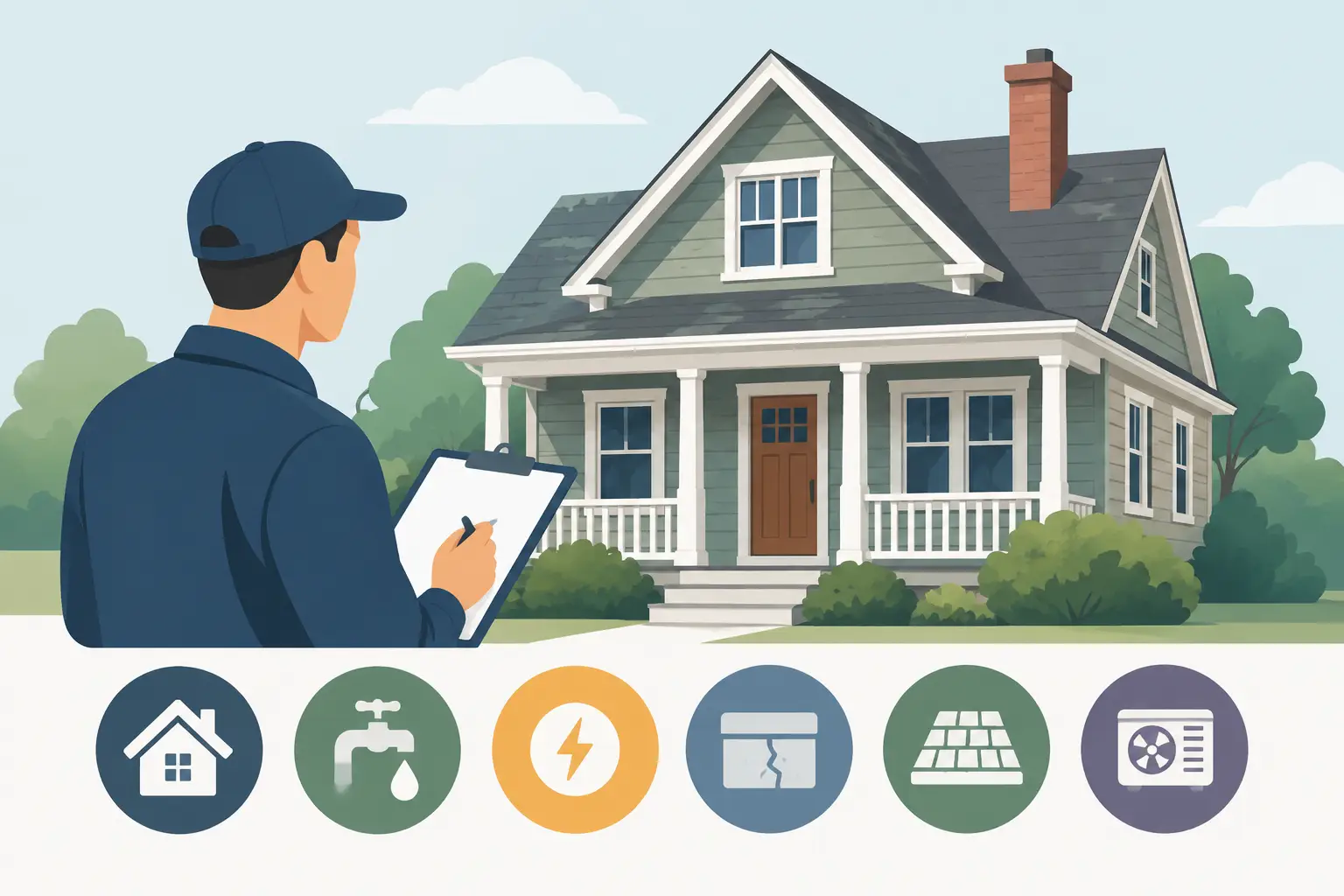
A home inspection is a detailed examination of a property’s physical condition. During this process, a qualified inspector carefully evaluates the major components of the home to identify potential problems or safety hazards. The goal of the inspection is not to judge whether a house is good or bad but to provide an honest assessment of its condition so buyers can make informed decisions.
Inspectors typically examine the structure, roofing system, plumbing, electrical wiring, heating and cooling systems, insulation, windows, doors, and drainage systems. They also look for signs of water damage, mold growth, pest infestations, and structural movement. Each of these elements plays a crucial role in maintaining the safety and functionality of a home.
Why Expensive Home Inspection Problems Matter to Buyers
Some issues discovered during inspections are relatively small. A loose door handle or cracked tile is easy to repair and usually inexpensive. However, major structural or system failures can dramatically change the cost of owning a home. These types of problems are what make home inspections so important.
When expensive issues appear in an inspection report, buyers suddenly realize that the home may require significant investment beyond the purchase price. For example, replacing a roof or repairing foundation damage can cost thousands of dollars. If these problems are discovered before the sale is finalized, buyers have the opportunity to renegotiate the price or request repairs from the seller.
Why Some Home Inspection Problems Are Extremely Costly
Hidden Structural Damage
Structural damage is one of the primary reasons certain home inspection problems become so expensive. The structural components of a home include the foundation, support beams, load bearing walls, and framing that hold the entire structure together. When any of these elements fail, the safety and stability of the entire building can be affected.
Structural repairs often require specialized equipment and professional expertise. Contractors may need to stabilize the foundation, reinforce walls, or replace damaged structural components. These repairs are complex and time consuming, which explains why they often carry a high price tag.
Aging Systems and Infrastructure
Many homes contain systems that eventually wear out with age. Heating systems, plumbing pipes, electrical wiring, and roofing materials all have limited lifespans. Over time, these components deteriorate and may require replacement.
Older homes often contain outdated systems that no longer meet modern safety standards. For example, older electrical wiring may not be designed to handle today’s energy demands. Similarly, aging plumbing systems may corrode or leak after decades of use.

Expensive Home Inspection Problems Buyers Should Watch For
Foundation and Structural Damage
Foundation problems are widely considered the most serious issues discovered during home inspections. The foundation supports the entire structure of the house, and even small weaknesses can lead to major structural problems over time.
Inspectors carefully examine foundations for cracks, shifting, moisture damage, and uneven settling. These signs may indicate that the structure is no longer properly supported. When foundation issues develop, they can cause a variety of symptoms throughout the home.
Warning Signs of Foundation Issues
Common warning signs include:
- Cracks in walls or ceilings
- Uneven floors or sloping surfaces
- Doors and windows that stick or fail to close properly
- Gaps between walls and ceilings
Repairing foundation damage often involves lifting sections of the home and installing structural supports. These repairs are complex and require specialized contractors, making them one of the most expensive problems buyers may encounter.
Roof Damage and Full Roof Replacement
The roof serves as the home’s primary defense against weather. When the roof begins to fail, water can enter the house and cause extensive damage to walls, ceilings, insulation, and electrical systems.
Roof inspections focus on identifying missing shingles, damaged flashing, sagging structures, and signs of leaks. If the roof is near the end of its lifespan, inspectors may recommend full replacement rather than minor repairs.
Signs Your Roof May Need Replacement
Some common signs include curled or missing shingles, visible water stains on ceilings, moss growth on roofing materials, and sagging areas along the roofline.
Replacing a roof is a significant expense because it requires removing existing materials, repairing structural components, and installing new roofing systems. The size of the house and the materials used also influence the final cost.
Electrical System Failures
Electrical systems are essential for modern living, but outdated or damaged wiring can pose serious safety risks. Faulty electrical systems increase the risk of fires and electrical shocks, making repairs extremely important.
Inspectors examine electrical panels, outlets, circuit breakers, and wiring throughout the house. They look for overloaded circuits, exposed wires, and outdated components that no longer meet safety standards.
Outdated Wiring Risks
Older homes may contain wiring systems that were commonly used decades ago but are no longer recommended today. These systems may struggle to handle modern electrical loads from appliances, electronics, and heating equipment.
Upgrading an electrical system often requires replacing wiring throughout the house and installing new electrical panels. This type of project can involve extensive labor and renovation work.
Plumbing Failures and Water Damage
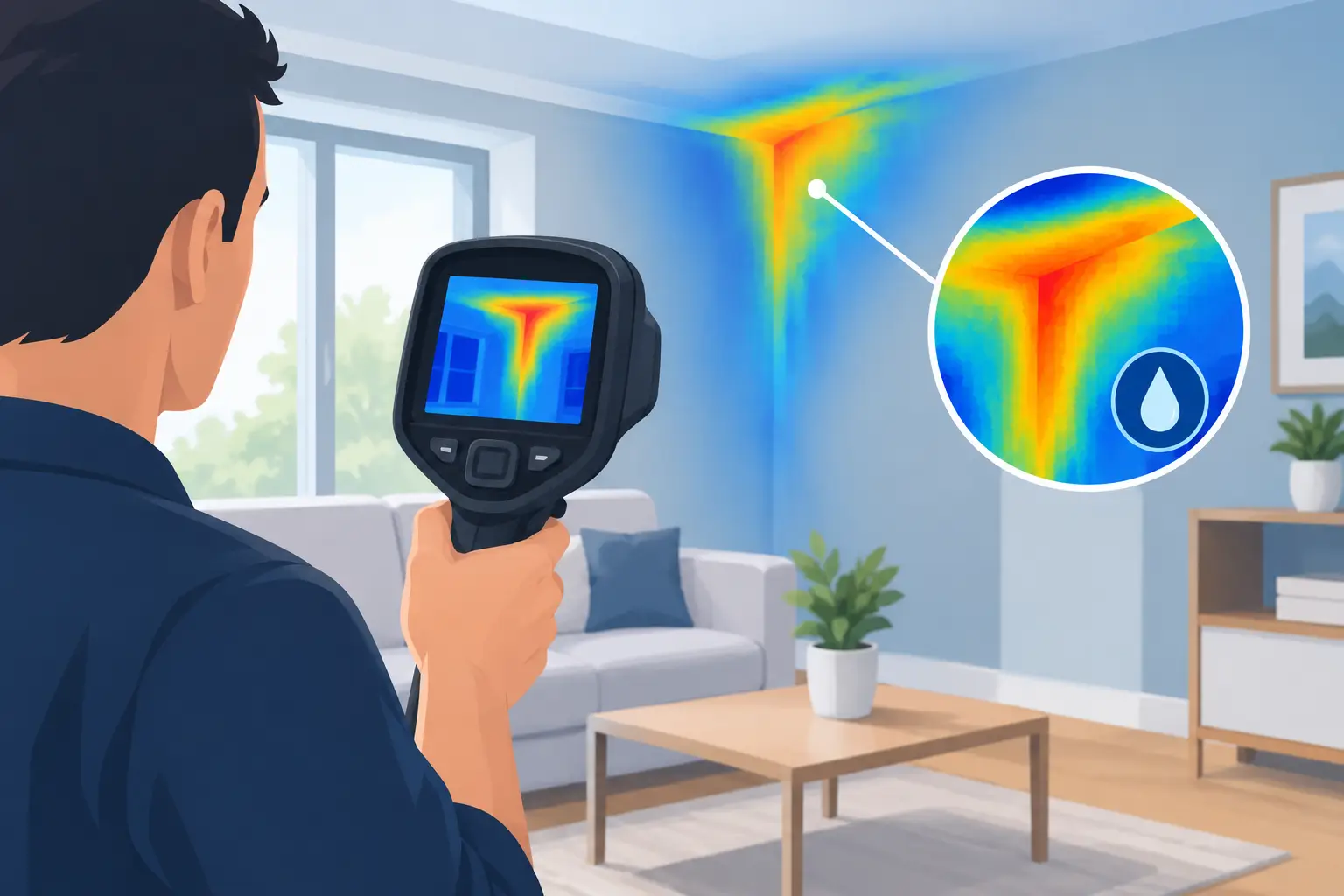
Plumbing issues are another common source of expensive home inspection problems. Water leaks can remain hidden for years before they are discovered. During that time, moisture may weaken structural materials and encourage mold growth.
Inspectors examine pipes, water heaters, faucets, and drainage systems to identify potential problems. They look for corrosion, leaks, water stains, and signs of previous repairs.
Hidden Water Damage in Homes
Water damage can spread quickly through building materials. When moisture becomes trapped inside walls or floors, it can cause wood to rot and insulation to deteriorate. Mold growth may also develop in damp environments.
Repairing water damage often requires removing damaged materials and restoring affected areas of the home.
HVAC System Breakdown
Heating and cooling systems play an essential role in maintaining comfortable indoor temperatures. When these systems fail, homeowners may face expensive repairs or complete system replacement.
Inspectors evaluate HVAC units to determine whether they are functioning efficiently. They check airflow, examine ductwork, and inspect mechanical components for signs of wear.
Indicators of a Failing HVAC System
Some warning signs include uneven heating or cooling, unusual noises during operation, rising energy bills, and frequent breakdowns.
Replacing an HVAC system can be costly, but newer systems often improve energy efficiency and reduce long term utility expenses.
Sewer Line Problems
Sewer line issues are among the most unpleasant and expensive problems homeowners can face. These pipes carry wastewater away from the home, and when they fail, serious sanitation issues can occur.
Why Sewer Issues Are Often Missed
Sewer lines are typically buried underground, which makes them difficult to inspect visually. Problems may remain hidden until backups or drainage failures occur.
Tree roots, soil movement, and pipe corrosion can all damage sewer lines. Repairing these systems often requires excavation and pipe replacement.
How Buyers Can Protect Themselves from Expensive Home Inspection Problems
Choosing a Qualified Home Inspector
The quality of the inspection largely depends on the experience of the inspector performing it. Buyers should choose licensed professionals who have strong reputations and extensive knowledge of residential construction.
Experienced inspectors understand how to identify subtle warning signs that may indicate deeper structural issues. They also know which areas of the home require close examination.
Using Inspection Results to Negotiate
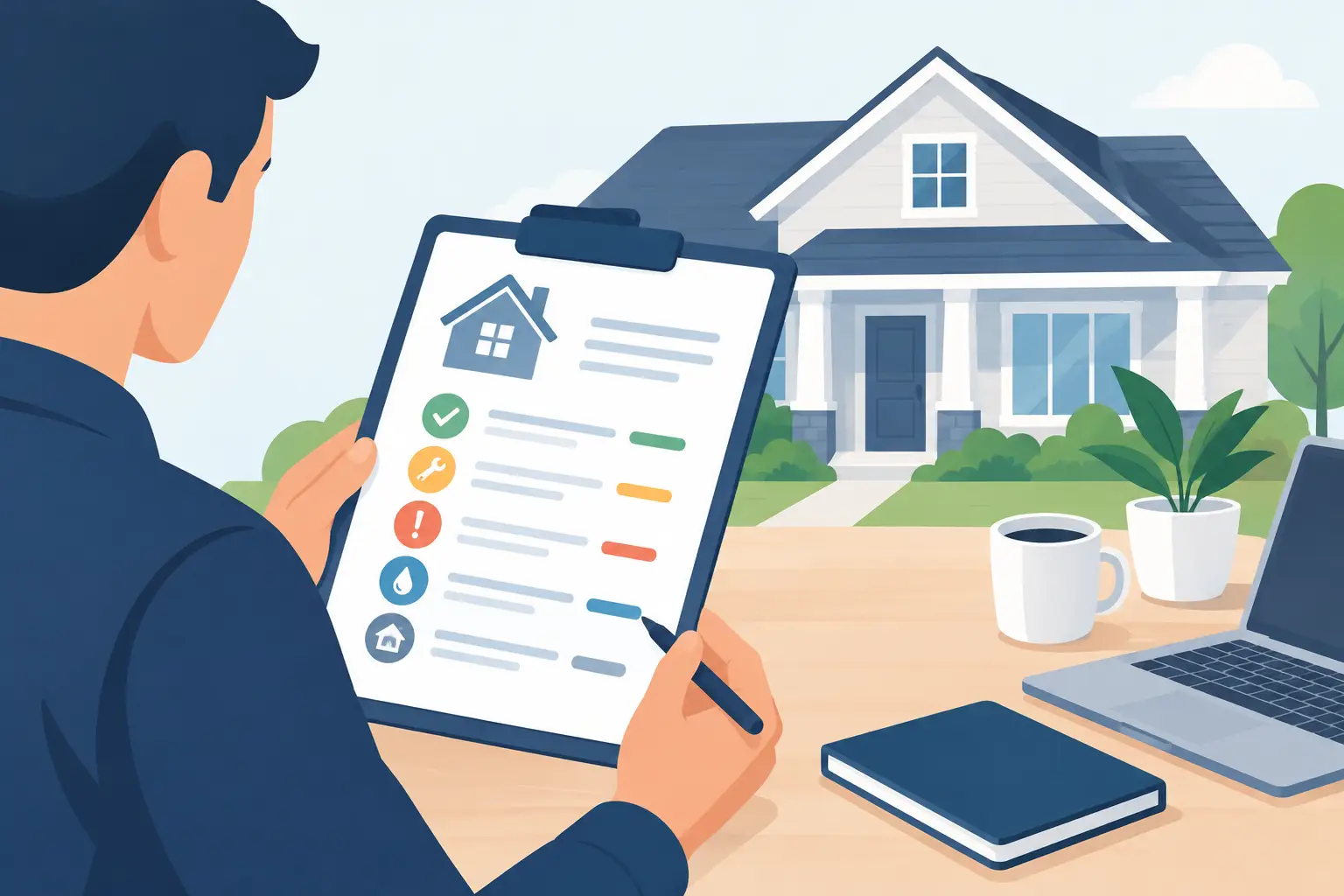
Inspection reports can provide powerful negotiating leverage. If major problems are discovered, buyers can request that sellers complete repairs before closing or adjust the purchase price to reflect the cost of fixing the issues.
This negotiation process helps ensure that buyers do not overpay for properties that require significant repairs.
Conclusion
Home inspections reveal the true condition of a property and help buyers avoid expensive surprises. While some issues discovered during inspections are minor, others can involve major repairs that significantly affect the cost of homeownership.
FAQs
What is the most expensive issue found during a home inspection?
Foundation problems are typically the most expensive because they affect the structural stability of the entire home.
Should buyers be worried if an inspection finds problems?
Most homes have some issues. The key is understanding which problems are minor and which require major repairs.
Can buyers negotiate after a home inspection?
Yes. Buyers often negotiate repairs or price reductions based on inspection findings.
Do newer homes still need inspections?
Yes. Even newly built homes can contain construction defects or installation errors.
How long does a typical home inspection take?
Most inspections take between two and four hours depending on the size and condition of the property.