by
Share
by
Share
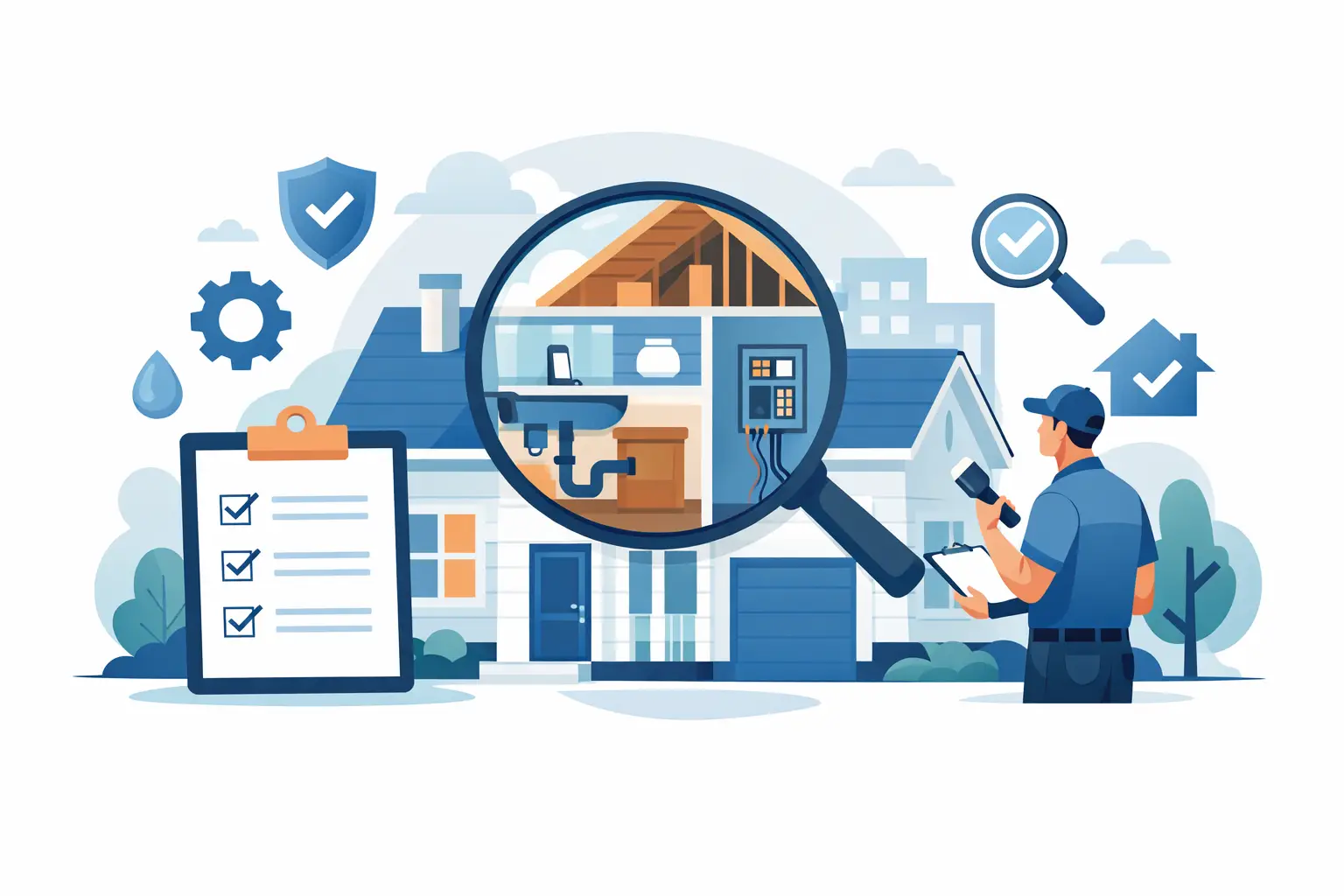
A home can look solid at first glance and still hide problems in the attic, crawlspace, panel, roof, or foundation. That is exactly why home inspection standards matter. They set the baseline for what a professional inspector is expected to examine, how findings are documented, and where the limits of a visual inspection begin.
For buyers, owners, and investors, those standards are not just industry language. They shape the quality of the information you receive before making a major financial decision. When the inspection follows clear standards, you are less likely to be surprised by what was skipped, misunderstood, or explained too vaguely.
What home inspection standards are designed to do
Home inspection standards create a consistent framework for the inspection process. In practical terms, they tell the inspector what systems and components should be inspected, what can be reported as deficient, and what falls outside the scope of a standard visual inspection.
That consistency matters because real estate decisions often move quickly. Buyers need usable facts. Sellers need clarity. Agents need a report they can work from. Investors need to know whether they are looking at cosmetic issues, deferred maintenance, or expensive system failures. Standards help keep the inspection focused on observable conditions that affect safety, function, and material performance.
Just as important, standards define limits. A home inspection is not code enforcement, not a guarantee against future failure, and not a destructive investigation. An inspector is evaluating what is visible and accessible on the day of the inspection. If a wall cavity is closed, if storage blocks an area, or if weather prevents safe roof access, the standards help explain why some conditions may not be fully assessed.
What is usually included under home inspection standards
Most professional home inspection standards cover the major systems of the property. That generally includes roofing, exterior components, grading and drainage as visible, structural elements, garages, interior rooms, insulation and ventilation, fireplaces, electrical systems, plumbing systems, and heating and cooling equipment.
The purpose is not to create a punch list of every minor cosmetic flaw. The purpose is to identify significant defects, safety concerns, installation issues, and conditions that may require repair, further evaluation, or monitoring. A loose handrail matters more than scuffed paint. A double-tapped breaker matters more than a ding in drywall. A foundation crack with movement matters more than worn carpet.
A good inspection report should make that distinction clear. It should help the client understand what is routine, what is urgent, and what deserves a specialist. That kind of prioritization is where experience matters just as much as the written standard.
Roofing and exterior
Standards typically require the inspector to evaluate visible roof coverings, flashings, drainage components, siding, trim, windows, doors, decks, and grading conditions that affect drainage. The key word is visible. An inspector may identify missing shingles, damaged flashing, wood rot, or negative grading, but cannot always determine the full extent of moisture intrusion without invasive testing.
Structure and interior
Structural observations often include the foundation, framing where visible, floors, walls, ceilings, and signs of movement or settlement. Inside the home, inspectors look for functional concerns such as damaged surfaces, unsafe stairs, stuck windows, or evidence of moisture staining. Standards support reporting what can be observed, but they do not permit guesswork.
Electrical, plumbing, and HVAC
These are some of the most important systems in any property because they combine cost, safety, and daily livability. Inspectors generally examine service panels, visible wiring, receptacles, fixtures, plumbing supply and drain materials, water heating equipment, and heating and cooling systems. They test normal operating controls and report deficiencies such as leaks, improper wiring methods, missing safety devices, or signs of system failure.
What home inspection standards do not cover automatically
This is where many clients get tripped up. Standard home inspection standards do not usually include every possible environmental or specialty issue. Radon, mold, termites, sewer lines, septic systems, well water, asbestos, lead-based paint, and pool systems are often separate services.
That does not make them optional in every transaction. It means they require additional scope, tools, licensing, or testing methods beyond a standard visual inspection. A buyer looking at an older home may need lead-based paint insight. A property with a private well or septic system needs those components evaluated directly. A home with signs of moisture may justify mold or air quality testing. An older sewer lateral may deserve a camera scope even if the sinks appear to drain fine.
In many cases, the best inspection process is not smaller. It is more complete. That is especially true when the property type, age, location, or visible conditions suggest a higher chance of hidden issues.
Why standards matter in real transactions
In a competitive market, people sometimes treat the inspection as a formality. That is a mistake. Standards protect the client by creating accountability and clarity. They make it easier to understand what should be inspected, easier to compare service quality, and easier to spot when an inspection was too shallow.
They also protect against false expectations. A proper inspection can reveal major concerns and still not predict every future problem. Equipment can fail the day after closing even if it operated normally during the inspection. A hidden plumbing leak inside a wall may not be visible. Standards are valuable because they create a professional baseline, not because they promise perfection.
For first-time buyers, that distinction is reassuring. You do not need a perfect house. You need a clear picture of its condition and the confidence to plan next steps. For investors, the issue is often speed and prioritization. You need to know which defects affect budget, timeline, insurability, or tenant safety. For current homeowners, standards help frame maintenance decisions before problems become expensive.
The difference between a standard inspection and a thorough one
Two inspections can both follow accepted standards and still feel very different. One may meet the minimum. The other may bring deeper experience, better communication, stronger reporting, and more advanced tools.
That difference shows up in how the inspector explains findings, documents limitations, and connects symptoms to likely causes. It also shows up in whether the company offers services that go beyond the standard scope when needed. Thermal imaging, gas leak detection, sewer camera inspections, radon testing, and moisture-related testing can provide a more complete picture when the property calls for it.
This is where a thorough, client-focused company earns its value. Standards set the floor. They do not define the ceiling.
Questions to ask before you hire an inspector
If you want the inspection to work for you, ask how the company applies home inspection standards in real practice. Do they inspect all major systems every time? Do they deliver same-day reports? Do they clearly separate major defects from maintenance items? Do they offer ancillary services when the property needs more than a standard inspection?
You should also ask about experience with the type of property involved. A new construction inspection, an 11-month warranty inspection, an investor-focused assessment, and a commercial inspection all require different judgment even when the standards overlap. The right inspector does more than check boxes. They help you understand the risk behind what they see.
For clients in Central Ohio, that can be especially important with variable soil conditions, moisture issues, aging housing stock in some neighborhoods, and the mix of newer and older systems across the region. A report should not read like generic software output. It should reflect the actual property in front of the inspector.
How to use the report after the inspection
Once the inspection is complete, the report should become a decision tool. Buyers can use it to negotiate repairs, request credits, or decide whether specialist evaluation is needed before closing. Homeowners can use it to build a repair timeline. Investors can use it to tighten budgets and reduce surprises.
The best approach is to separate findings into three groups: safety concerns, major functional or structural issues, and routine maintenance. That keeps attention where it belongs. Not every defect deserves the same response, and not every issue needs to be solved before a transaction moves forward.
A clear report grounded in standards gives you room to make informed choices instead of emotional ones. That is the real value. It turns a stressful process into a practical one.
Flinn Inspection Group approaches inspections with that standard in mind – protect the client’s investment, document the property honestly, and give people the information they need to act with confidence.
When you are choosing an inspector, do not just ask whether they follow standards. Ask how seriously they take the responsibility behind them. A home inspection should leave you better informed, better prepared, and a lot less exposed than you were before you walked through the door.