by Flinn Inspections
Share
by Flinn Inspections
Share
Your home should be the safest place for your family. It is where kids grow, where memories are made, and where everyone should feel protected. But there is a hidden danger that many homeowners never think about. It has no smell, no taste, and no color. That danger is radon gas.
Radon testing is not just another optional home service. It is a critical step in protecting your family’s long term health. Understanding why radon testing matters can help you make smarter and safer decisions for your household.
Learn more about our Radon Inspection Services here.
What Is Radon Gas
Where Radon Comes From
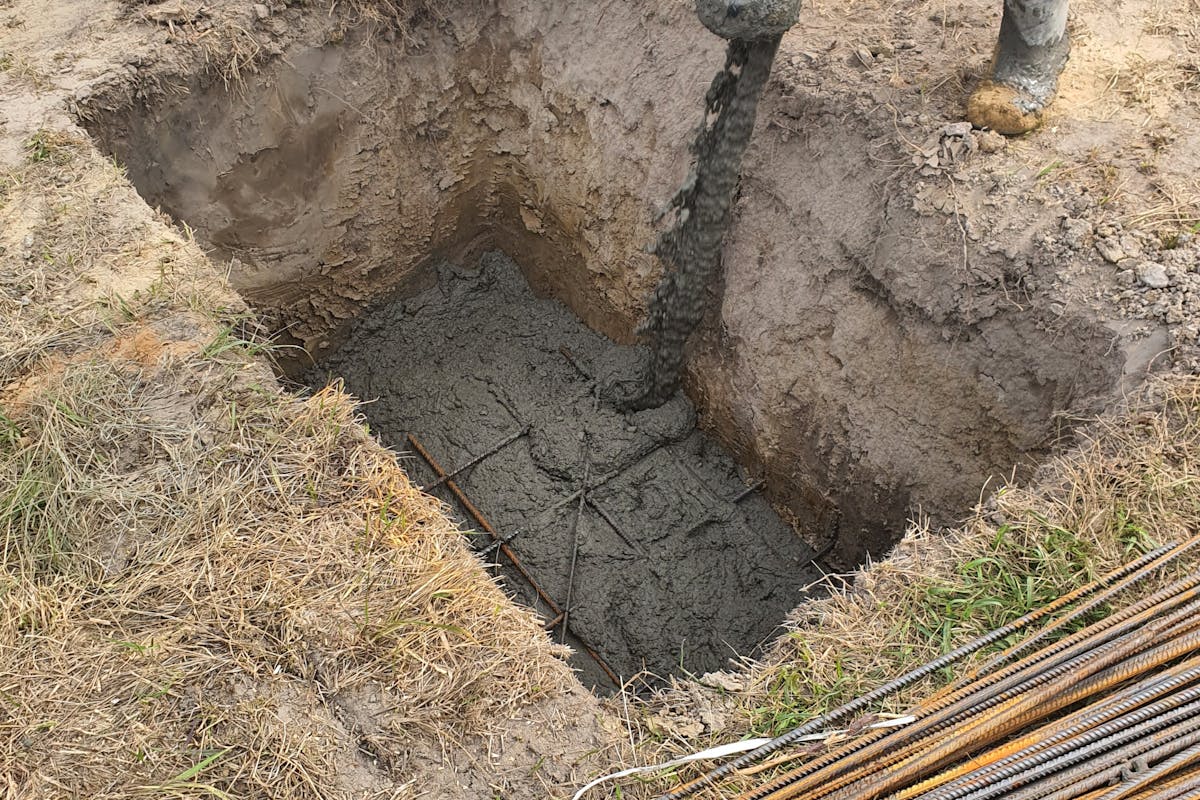
Radon is a naturally occurring radioactive gas. It forms when uranium and radium in soil and rock break down over time. This process happens beneath the ground everywhere, including under homes, schools, and buildings.
Because radon comes from the earth itself, no region is completely immune. Some areas simply have higher concentrations than others.
Why You Cannot See or Smell Radon
Radon does not announce its presence. You cannot detect it with your senses. That is what makes it so dangerous. The only way to know if radon is present in your home is through proper testing.
How Radon Enters Homes
Foundation Cracks and Gaps
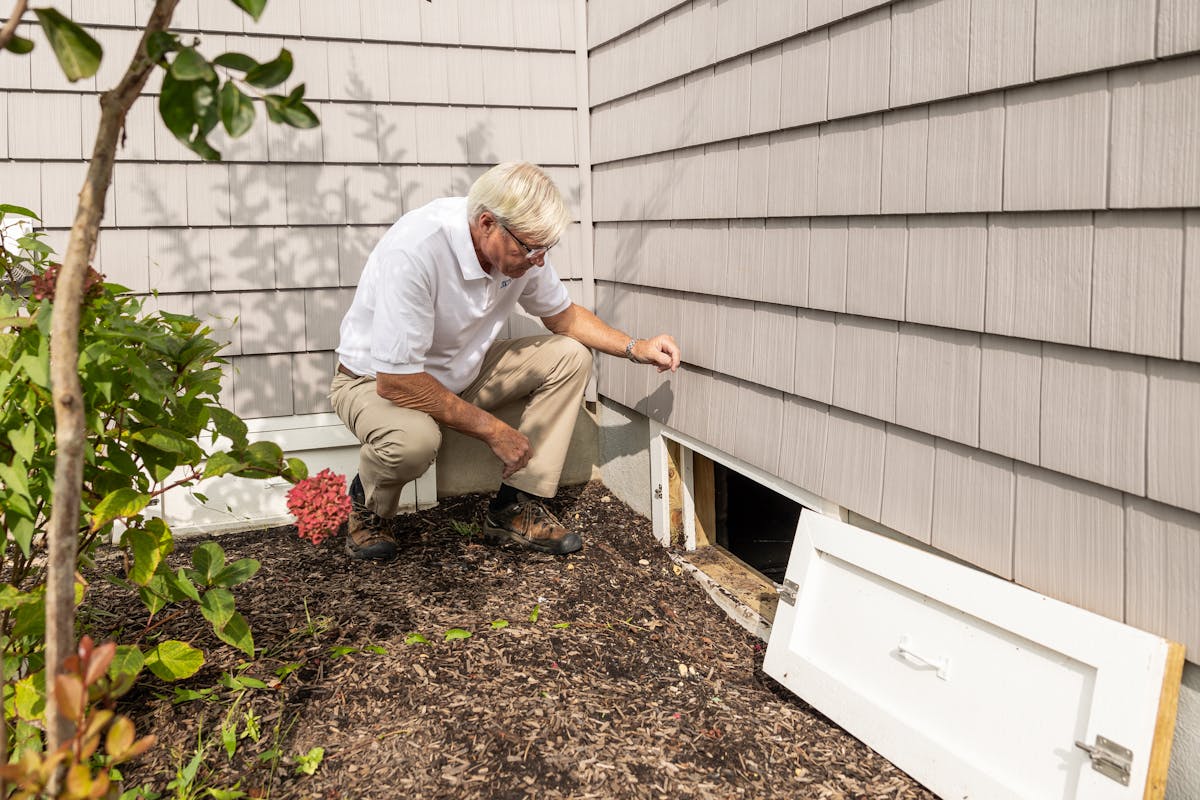
Radon gas moves through the soil and enters homes through the path of least resistance. Small cracks in foundations, gaps around pipes, and openings in slabs act like open doors.
Basements, Crawl Spaces, and Slabs
Homes with basements and crawl spaces are especially vulnerable, but slab homes are not immune. Radon can enter any structure that touches the ground.
Why Radon Is a Serious Health Risk
Radon and Lung Cancer Explained
Radon is the second leading cause of lung cancer after smoking. When radon gas is inhaled, radioactive particles get trapped in the lungs. Over time, this exposure damages lung tissue.
How Long Term Exposure Affects the Body
The risk increases with prolonged exposure. Living in a home with elevated radon levels for years quietly increases the chance of serious health issues.
Radon Risks for Children and Families
Why Children Are More Vulnerable
Children breathe faster than adults. This means they inhale more air relative to their body size. If that air contains radon, their exposure level is higher.
Radon Exposure Over Time
Families spend a large portion of their lives indoors. Long term exposure in sleeping areas and play spaces makes radon especially concerning for households with kids.
Common Myths About Radon Testing
New Homes Do Not Have Radon
New construction does not guarantee low radon levels. In fact, some new homes trap radon more effectively due to tighter construction and improved energy efficiency.
Only Homes With Basements Are at Risk
Radon affects all types of homes. Slab on grade and crawl space homes can also have high radon levels.
Radon Levels and What They Mean
Understanding Radon Measurement Units
Radon is measured in picocuries per liter of air. This number indicates how much radon is present indoors.
Safe vs Action Levels Explained
There is no completely safe level of radon. However, action is recommended when levels reach or exceed established guidelines. Testing helps determine if mitigation is needed.
When Should You Test for Radon
Buying or Selling a Home
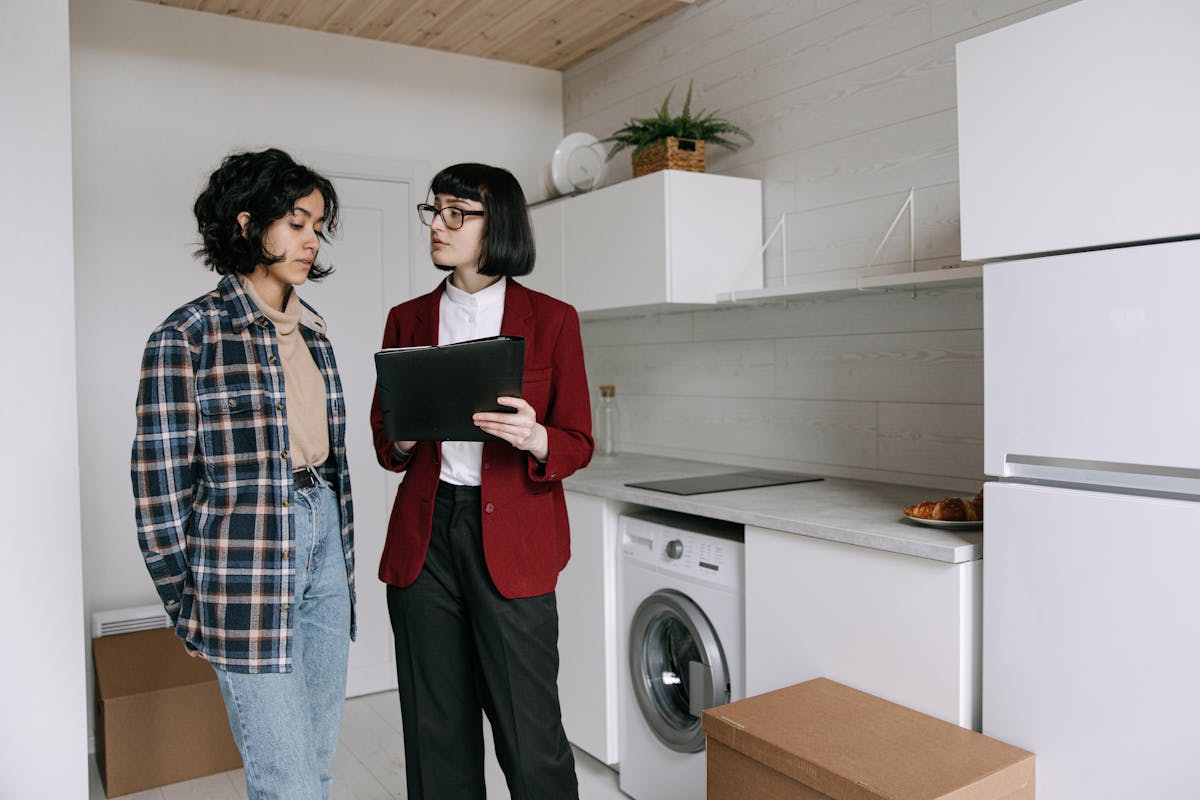
Radon testing is especially important during real estate transactions. Buyers deserve to know what they are moving into, and sellers can address issues upfront.
Seasonal Testing Considerations
Radon levels can fluctuate throughout the year. Testing during colder months often provides higher readings because homes are sealed tighter.
Types of Radon Tests
Short Term Radon Testing
Short term tests usually last a few days. They provide quick results and are commonly used during home inspections.
Long Term Radon Testing
Long term tests run for several months. They offer a more accurate picture of average radon levels over time.
How Professional Radon Testing Works
Placement and Testing Process
A certified professional places testing devices in the lowest livable area of the home. The devices remain undisturbed for the testing period.
Accurate Results and Reporting
Professional testing follows strict protocols. Results are documented clearly, making them reliable for health decisions and real estate negotiations.
Why DIY Radon Tests Are Not Always Enough
Common Testing Mistakes
Improper placement, open windows, and incorrect timing can skew results. Many homeowners unknowingly compromise test accuracy.
Accuracy and Reliability Issues
Professional testing reduces errors and ensures dependable results. This is especially important when family health is involved.
What Happens If Radon Levels Are High
Radon Mitigation Systems Explained
Mitigation systems work by venting radon gas safely away from the home. These systems are effective and commonly installed.
How Mitigation Protects Your Family
Once installed, mitigation systems significantly reduce radon levels. This lowers health risks and improves indoor air quality.
Radon Testing During Home Inspections
Why Buyers Should Always Test
Radon issues are not visible during walkthroughs. Testing ensures buyers are informed before finalizing a purchase.
Negotiation Benefits of Radon Reports
Test results give buyers leverage. Mitigation costs can often be negotiated before closing.
Radon and Indoor Air Quality
How Radon Fits Into Overall Air Health
Radon is just one part of indoor air quality. Addressing it improves the overall safety of your living environment.
Combining Radon Testing With Air Quality Tests
Pairing radon testing with mold and air quality testing offers a complete picture of indoor health risks.
Cost of Radon Testing vs Health Costs
Affordable Prevention
Radon testing is relatively inexpensive. The cost is small compared to medical expenses and long term health impacts.
Long Term Health Savings
Testing and mitigation are preventive steps. They protect not just property value, but lives.
Choosing a Qualified Radon Testing Professional
Certification and Experience
Look for trained and certified professionals who follow approved testing standards.
What to Look for in a Radon Report
A good report explains results clearly and outlines next steps if levels are elevated.
Final Thoughts on Radon and Family Safety
Peace of Mind Starts With Testing
Radon testing is one of the simplest ways to protect your family from an invisible threat. It provides clarity, confidence, and peace of mind. When it comes to family health, guessing is never enough. Testing turns uncertainty into action.
Conclusion
Radon is silent, invisible, and dangerous, but it is also manageable. Testing is the first and most important step in protecting your family from long term health risks. Whether you are buying a home, raising children, or simply want peace of mind, radon testing is not something to delay. A safe home starts with knowing what is in the air you breathe every day.
FAQs
- How often should radon testing be done?
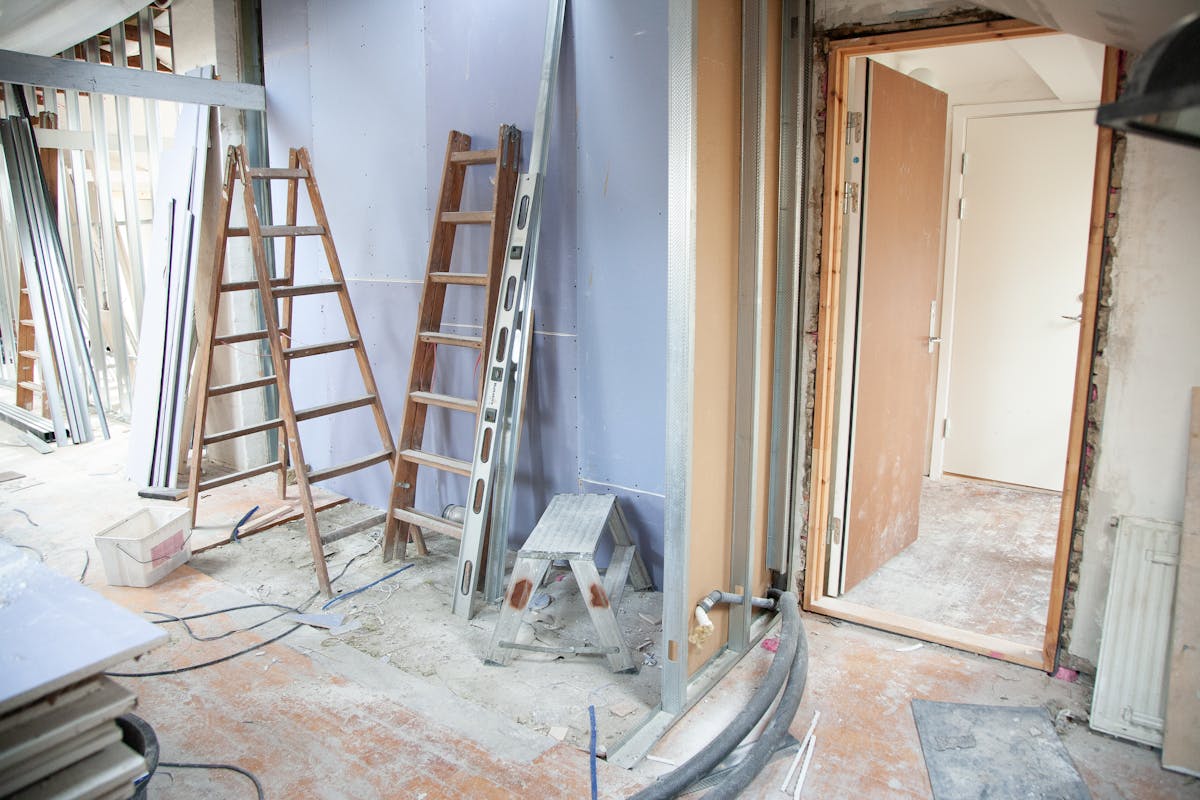
Testing is recommended every few years and after major renovations. - Can radon levels change over time?
Yes. Weather, home modifications, and soil conditions can affect levels. - Is radon only dangerous for smokers?
No. Radon affects everyone, including non smokers and children. - How long does radon testing take?
Short term tests usually take two to three days. - Does radon affect home value?
Homes with mitigation systems are often viewed more favorably than untested homes.