by Flinn Inspections
Share
by Flinn Inspections
Share

Buying a brand new home feels like unwrapping a gift that no one has touched before. Fresh paint, shiny appliances, untouched floors. Everything looks perfect at first glance. So why would anyone think a professional inspection is necessary? That question comes up more often than you might expect. The truth is simple. New does not always mean flawless. In many cases, new homes need inspections just as much as older ones.
Let us break this down in a clear and honest way.
The Common Myth About New Homes
Why Buyers Assume New Means Perfect
Most buyers believe new homes are built correctly because everything is fresh and modern. Builders are licensed, materials are new, and inspections by the city already happened. On the surface, that logic makes sense. But homes are still built by humans. Humans make mistakes, especially when working under tight deadlines.
How This Assumption Can Cost Thousands
Skipping a professional inspection can lead to expensive surprises. Minor issues caught early may turn into major repairs after move in. Once the paperwork is signed, those problems often become the homeowner’s responsibility.
What a Professional Home Inspection Really Is
More Than a Quick Walkthrough
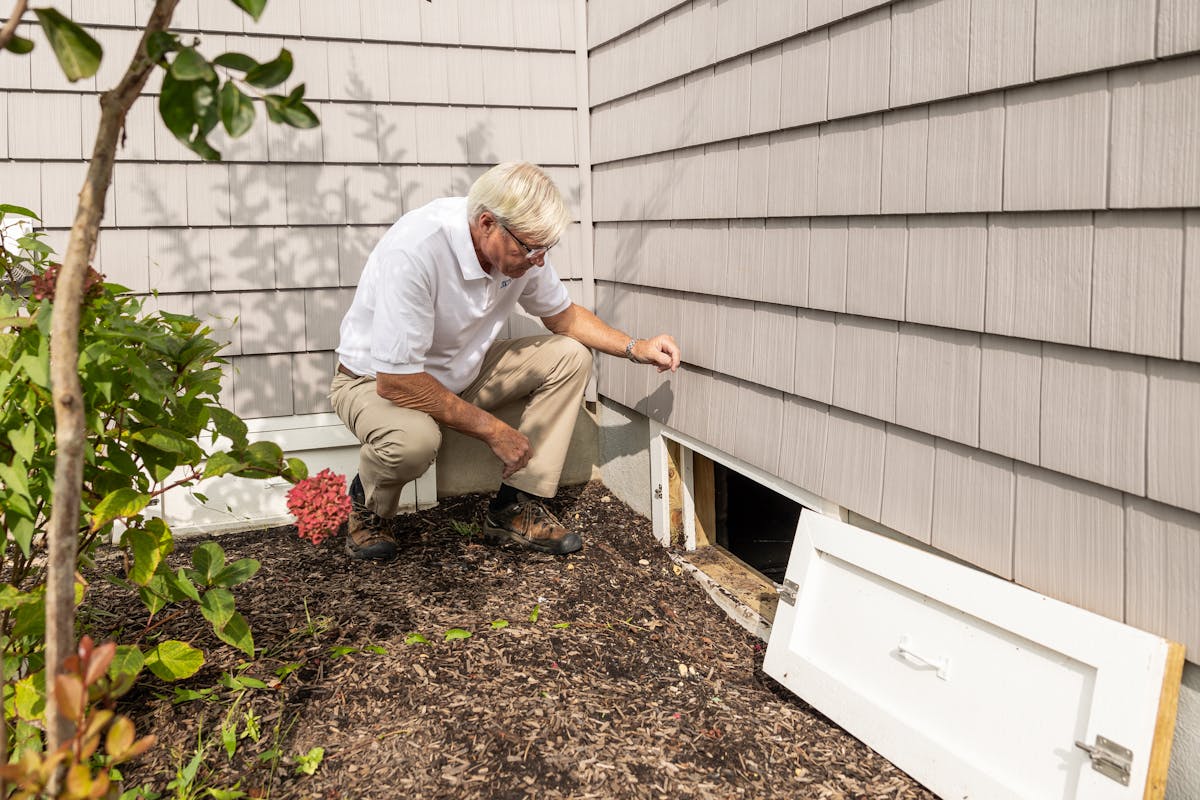
A professional inspection is a detailed evaluation of the home’s major systems and components. Inspectors examine the structure, roof, foundation, electrical, plumbing, heating, cooling, and more. They do not just look for obvious issues. They look for signs of poor installation, future failures, and safety concerns.
Independent Eyes vs Builder Checks
Builder and city inspections focus on meeting minimum code requirements. A professional inspector works for you, not the builder. Their goal is quality, safety, and long term performance.
Construction Mistakes Are More Common Than You Think
Tight Deadlines and Rushed Work
Builders often juggle multiple projects at once. When schedules tighten, mistakes happen. A missed connection, an improperly sealed area, or a rushed installation can easily slip through unnoticed.
Subcontractor Errors That Go Unnoticed
Different subcontractors handle plumbing, electrical, HVAC, and framing. One small miscommunication between teams can lead to serious issues later. Professional inspectors often catch these problems before they become permanent.
The Role of Phase Inspections in New Construction
Pre Foundation Inspection Explained
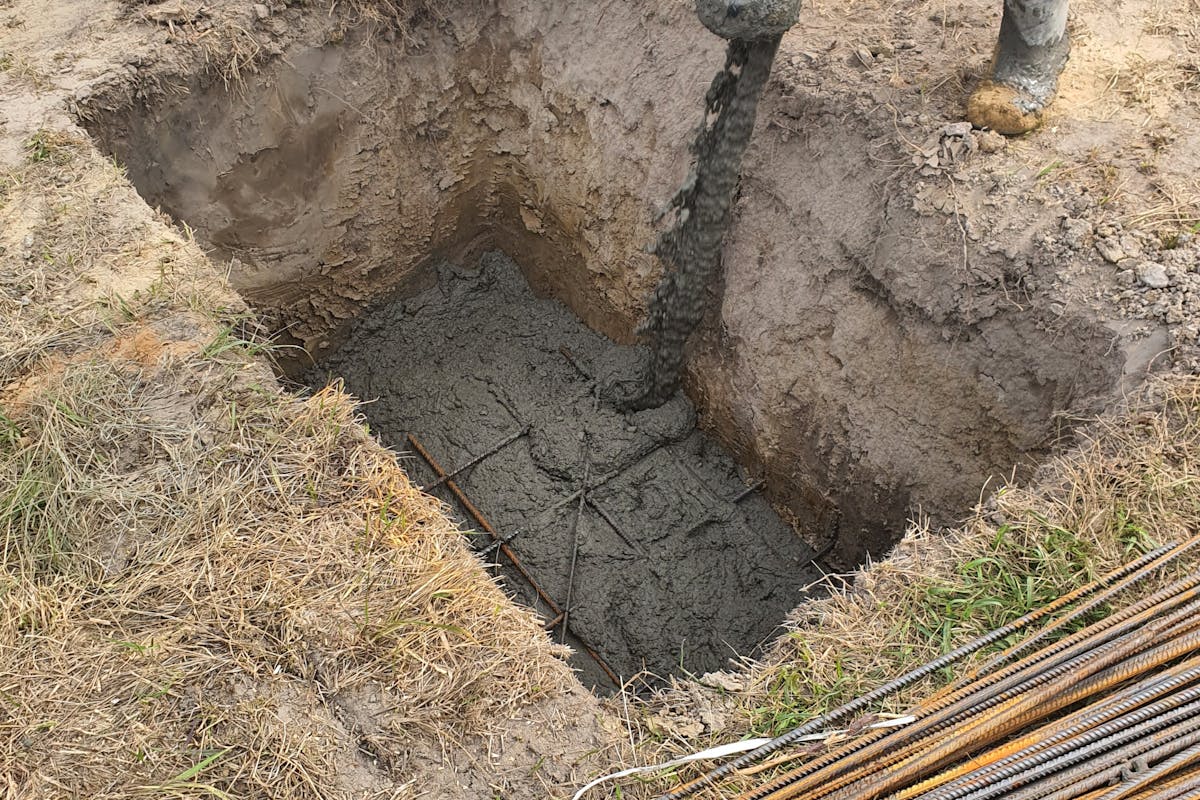
This inspection happens before concrete is poured. It checks soil conditions, footing placement, and reinforcement. Fixing problems at this stage is far easier and far cheaper.
Pre Drywall Inspection Importance
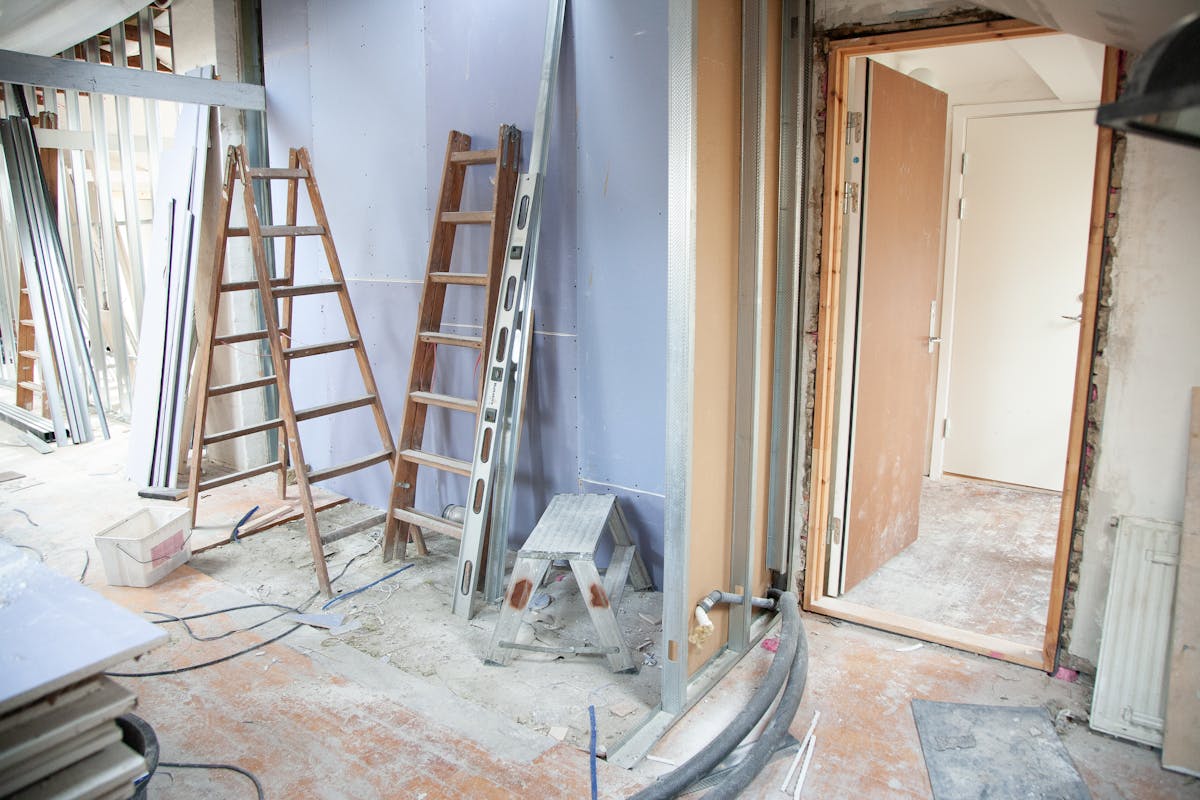
Before insulation and drywall go up, inspectors can see inside the walls. This is the best time to catch wiring mistakes, plumbing leaks, and framing defects.
Final and Pre Closing Inspections
The final inspection ensures systems are properly installed and functioning. It also confirms earlier issues were corrected before the keys change hands.
Hidden Issues Found in Brand New Homes
Structural and Foundation Concerns
Even new foundations can have cracks, poor drainage, or grading issues. These problems may not be visible to the untrained eye.
Electrical and Plumbing Defects
Loose wiring, overloaded panels, leaking pipes, and incorrect connections are commonly found in new homes. These are safety risks, not cosmetic flaws.
HVAC Installation Problems
Improper airflow, incorrect duct sizing, or poor insulation can lead to high energy bills and uncomfortable living spaces.
Building Codes vs Quality Construction
Code Compliance Does Not Equal Perfection
Building codes are minimum standards. Passing code does not guarantee top quality work. Inspectors go beyond code to assess performance and durability.
Why Inspectors Look Beyond Minimum Standards
A home should last decades. Inspectors focus on how systems will perform over time, not just whether they technically pass.
Why Builder Inspections Are Not Enough
Conflict of Interest Explained
Builders inspect their own work. That creates a natural conflict. A third party inspector provides unbiased feedback.
The Value of an Independent Inspection
Independent inspections give buyers leverage. Issues can be addressed before closing, not after move in.
How Inspections Protect Your Investment
Avoiding Costly Repairs After Move In
Catching issues early saves money and stress. Repairs during construction are easier than repairs after furniture is moved in.
Strengthening Negotiations With Builders
Inspection reports help buyers request repairs, corrections, or documentation with confidence.
Warranty Inspections and Long Term Protection
What a 12 Month Warranty Inspection Covers
This inspection happens before builder warranties expire. It focuses on wear, settling, and system performance after a year of living in the home.
Catching Issues Before Warranties Expire
Cracks, drainage issues, and mechanical problems often appear months after move in. Warranty inspections protect homeowners from paying out of pocket later.
Safety Issues That New Home Inspections Catch
Fire Hazards and Electrical Risks
Loose wiring, improper grounding, and overloaded circuits are common findings. These are serious safety concerns.
Moisture and Mold Risks in New Homes
Poor ventilation or improper sealing can trap moisture. Over time, this can lead to mold growth even in new construction.
Technology Used in Modern Home Inspections
Thermal Imaging in New Construction
Thermal cameras detect heat loss, missing insulation, and moisture issues hidden behind walls.
Moisture Meters and Advanced Tools
Inspectors use advanced tools to identify problems that are invisible during a casual walkthrough.
Who Should Attend a New Home Inspection
Buyers and Agents Participation
Attending the inspection helps buyers understand their home better. Inspectors explain findings in plain language.
Asking the Right Questions On Site
Being present allows buyers to ask questions and learn how systems operate before move in.
When to Schedule a New Construction Inspection
Timing Each Phase Correctly
Scheduling inspections at the right time ensures nothing gets covered up or overlooked.
Avoiding Delays and Missed Opportunities
Early planning keeps inspections aligned with construction schedules.
Cost vs Value of New Home Inspections
Short Term Cost vs Long Term Savings
Inspection costs are small compared to potential repair bills. The value far outweighs the price.
Real World Examples of Prevented Loss
Many homeowners discover issues that would have cost thousands to fix later.
Choosing the Right Inspection Professional
Experience With New Construction
Not all inspectors specialize in new homes. Experience matters.
Certifications and Reporting Quality
Clear reports with photos and explanations help buyers take action quickly.
Final Thoughts on Inspecting New Homes
Peace of Mind From Day One
A new home should bring excitement, not anxiety. Professional inspections give buyers confidence that their investment is safe, sound, and built to last.
Conclusion
New homes may look perfect, but hidden problems are more common than most buyers realize. Professional inspections catch issues early, protect your investment, and provide peace of mind. Whether it is a pre foundation check or a 12 month warranty inspection, having an independent expert on your side makes all the difference. A new home deserves the same careful attention as any other major investment, maybe even more.
FAQs
- Do new homes really fail inspections?
Yes. Many new homes have installation errors, safety issues, or incomplete work that inspections uncover. - Are builder inspections enough?
Builder inspections focus on code compliance. Independent inspections focus on quality and long term performance. - What is the best time to inspect a new home?
Multiple phases are ideal, including pre drywall, final inspection, and warranty inspection. - Can inspection issues delay closing?
Usually no. Most issues can be resolved quickly when found early. - Is a new home inspection worth the cost?
Absolutely. The savings and protection far exceed the inspection fee.