by Flinn Inspections
Share
by Flinn Inspections
Share
Introduction
When you’re building a new home, it’s easy to assume everything is going smoothly behind the scenes. But before those walls are sealed with drywall, there’s one crucial step you shouldn’t skip — the pre-drywall inspection checklist. This inspection ensures that the “bones” of your home — plumbing, wiring, framing, and more — are built correctly and safely before they’re hidden forever.
Understanding the Pre-Drywall Phase
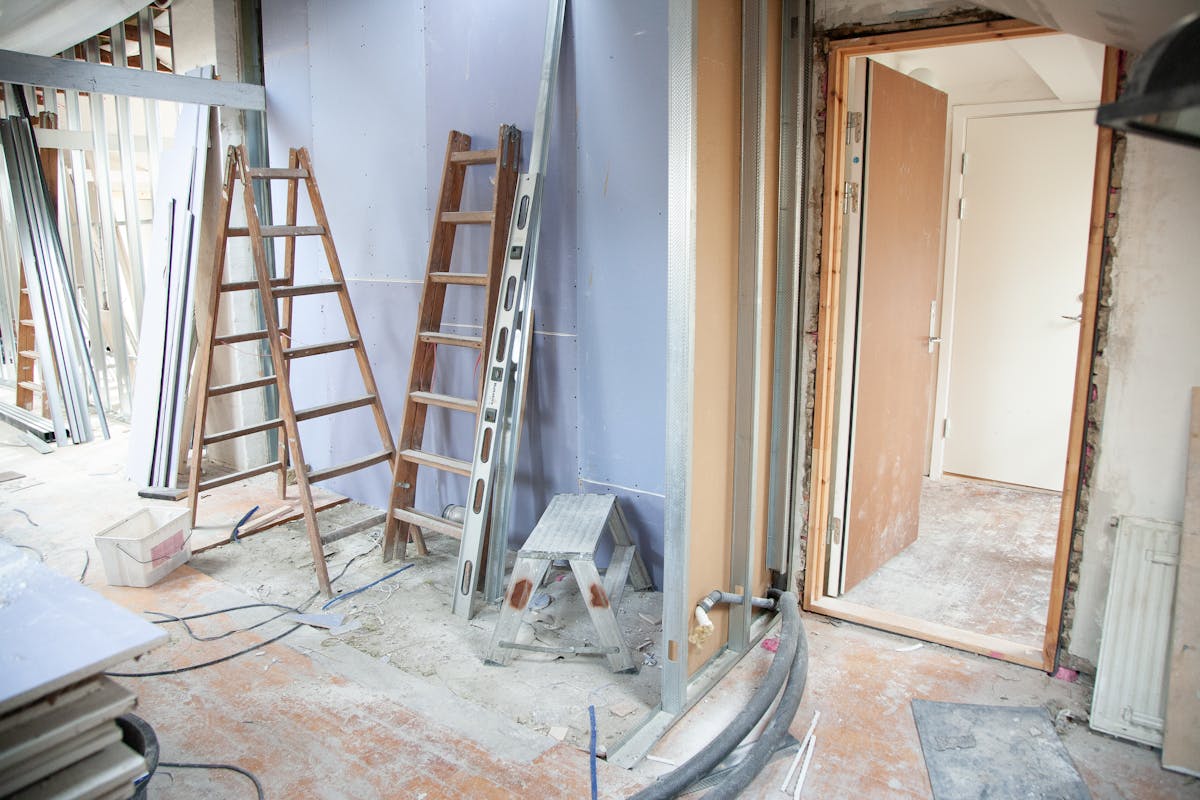
A pre-drywall inspection happens once the major structural, electrical, and plumbing work is completed but before drywall installation. At this stage, all the essential systems are exposed, allowing inspectors to see if everything meets building codes and safety standards.
Think of it as your home’s “checkup” before it’s dressed up — once drywall goes up, uncovering problems becomes time-consuming and expensive.
Why Pre-Drywall Inspections Matter
Skipping this step can cost you thousands in future repairs. A small wiring mistake, improper insulation, or plumbing leak could lead to fire risks, energy loss, or water damage later.
By scheduling a pre-drywall inspection, you catch these issues early, ensuring your new home stands the test of time.
The Role of Professional Inspectors
While builders often perform their own checks, hiring a third-party professional like Flinn Inspection Group provides unbiased results.
They work for you, not the builder — focusing on quality, safety, and compliance.
Their detailed reports help you fix problems before they escalate, giving you confidence your new home is built to last.
Pre-Drywall Inspection Checklist Overview
A proper pre-drywall inspection includes checking every major system in your home — from framing and insulation to wiring, plumbing, and HVAC systems. Below is a complete homeowner-friendly checklist to guide you through the process.
Structural Elements to Inspect
The frame is your home’s skeleton — and even small errors here can cause long-term damage.
Inspectors will review:
- Wall framing for alignment, spacing, and secure fasteners.
- Load-bearing beams for proper installation and support.
- Roof trusses to ensure they’re properly anchored.
- Floor joists for stability and level surfaces.
Plumbing Systems
Before drywall covers your pipes, your inspector should check:
- All pipe joints and fittings for leaks.
- Drain lines to ensure correct slope and venting.
- Water supply lines for proper material and support.
- Shower pans and tubs for correct sealing and drain placement.
A thorough plumbing check ensures you won’t face hidden leaks or water damage later.
Electrical Systems
Electrical issues are not only costly but dangerous if overlooked.
Inspectors will verify:
- Correct wire routing and secure connections.
- Outlet and switch placement according to plans.
- Proper grounding and breaker panel labeling.
- Smoke detector and GFCI outlet wiring for safety compliance.
HVAC Installation
Heating and cooling systems must be properly installed before drywall goes up. Your inspection will cover:
- Ductwork alignment and secure sealing.
- Vent locations in rooms and bathrooms.
- Insulated ducts in unconditioned spaces.
- Adequate airflow for balanced temperature control.
Insulation and Energy Efficiency
A proper insulation inspection helps ensure lower utility bills and a comfortable home. Inspectors will look for:
- Even coverage in wall cavities.
- No gaps or compressed areas.
- Insulation R-value appropriate for your region’s climate.
Windows and Doors
Inspectors verify:
- Frames are square and level.
- Flashing and sealants are installed to prevent moisture intrusion.
- Window and door openings are free of gaps or air leaks.
Moisture and Vapor Barriers
To prevent future mold and mildew, your inspector checks:
- Proper installation of vapor barriers around bathrooms and basements.
- Sealing of penetrations in exterior walls.
- Correct flashing around plumbing and vents.
Fire Safety Components
Fire-blocking materials are essential for slowing the spread of flames. Inspectors confirm:
- Fire stops are properly placed between floors.
- Smoke alarm wiring is installed and functioning.
- Fire-rated insulation or foam in required areas.
Common Issues Found During Pre-Drywall Inspections
Even new homes can have surprises. Common findings include:
- Misaligned framing or crooked walls.
- Damaged or missing insulation.
- Loose wiring or open junction boxes.
- Plumbing vent errors.
- Unsealed ductwork.
Catching these issues early means fewer headaches after move-in day.
How to Prepare for a Pre-Drywall Inspection
Homeowners should:
- Review their builder’s construction schedule.
- Ensure all rough-ins (plumbing, wiring, HVAC) are complete.
- Bring a copy of the building plan to the inspection.
- Write down questions or concerns to discuss with your inspector.
Benefits of Scheduling with Flinn Inspection Group
At Flinn Inspection Group, each pre-drywall inspection is performed with precision and care.
Their certified inspectors use advanced tools to verify that every system meets code and performance standards.
You’ll receive a detailed digital report highlighting issues, recommendations, and photos — helping your builder fix them before drywall installation.
By choosing Flinn Inspection Group, you ensure your dream home is built right from the start.
Conclusion
A pre-drywall inspection isn’t just another step — it’s your opportunity to make sure your home is safe, efficient, and built to last. Once the drywall goes up, your visibility disappears — but your responsibility remains. By partnering with trusted professionals like Flinn Inspection Group, you gain peace of mind knowing your new home’s foundation and systems are solid from day one.
FAQs
1. When should I schedule a pre-drywall inspection?
Once framing, wiring, plumbing, and HVAC systems are installed but before insulation and drywall installation.
2. How long does a pre-drywall inspection take?
Usually between 1–2 hours, depending on the home’s size and complexity.
3. Can I attend the inspection?
Yes, homeowners are encouraged to attend to ask questions and learn about their new home.
4. What if issues are found?
Your inspector will provide a report so your builder can make corrections before drywall installation.
5. Is it necessary even if my builder does inspections?
Absolutely — a third-party inspection ensures unbiased and thorough results focused on your best interests.