by Flinn Inspections
Share
by Flinn Inspections
Share
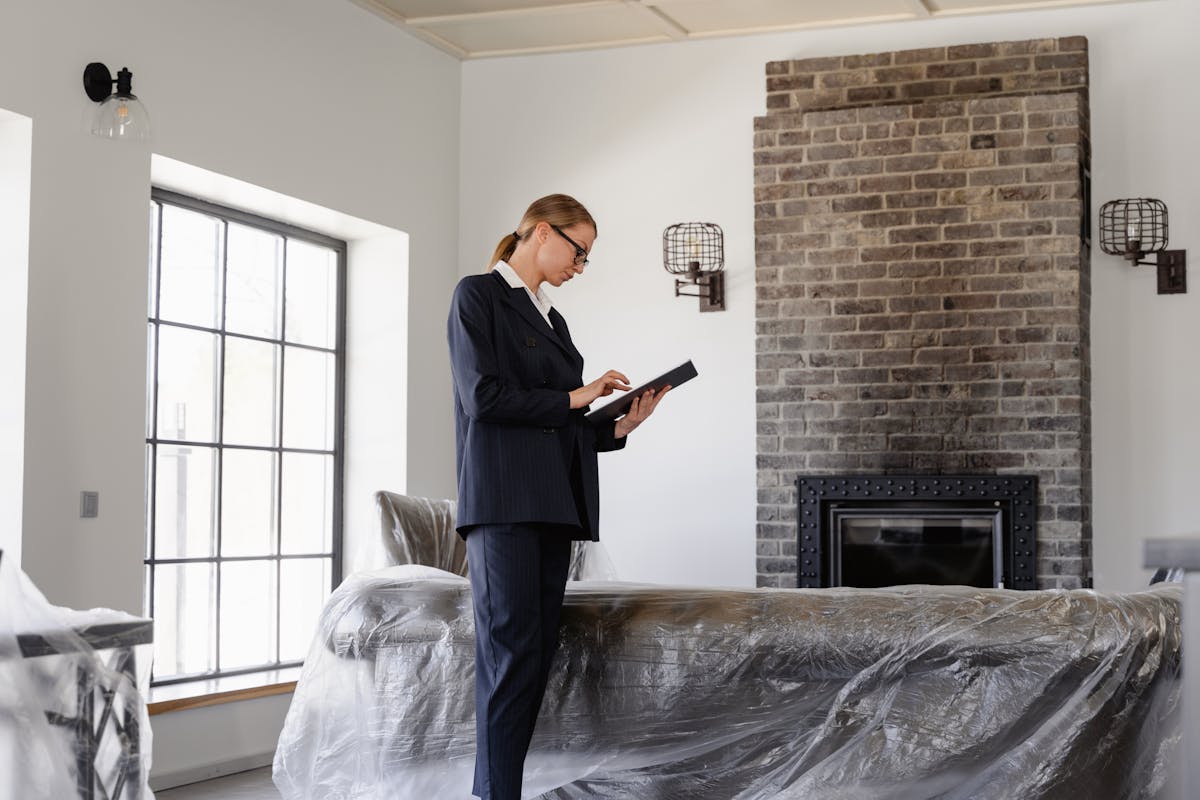
As the air turns crisp and leaves start to fall, there’s nothing more comforting than the warmth of a crackling fire. But before you strike that first match, it’s essential to ensure your fireplace is safe and ready for winter. Fall is the ideal season for fireplace inspections giving you enough time to detect and fix potential issues before the cold weather hits.
The Importance of Fireplace Safety and Maintenance
Preventing Fire Hazards
Over time, soot and creosote build up inside your chimney. This highly flammable residue is one of the leading causes of house fires in winter. Regular inspections prevent these hazards from turning your cozy night into a disaster.
Ensuring Indoor Air Quality
A poorly maintained fireplace can leak smoke and carbon monoxide into your home. Regular inspections help ensure that harmful gases are properly vented, keeping your indoor air clean and safe.
Extending the Life of Your Fireplace
Routine maintenance doesn’t just protect your family — it also protects your investment. Catching cracks, leaks, and corrosion early helps extend your fireplace’s lifespan.
Understanding the Different Types of Fireplaces
Wood-Burning Fireplaces
Traditional and charming, wood-burning fireplaces require frequent cleaning and inspection due to soot and creosote accumulation.
Gas Fireplaces
Convenient and efficient, but gas leaks or faulty igniters can pose serious safety risks if not inspected regularly.
Electric Fireplaces
Though low-maintenance, electrical components and wiring still need occasional checks.
Masonry vs. Prefabricated Fireplaces
Each has different maintenance needs — masonry requires checking for cracks, while prefab models need inspection of panels and seals.
Step-by-Step Fall Fireplace Inspection Checklist
1. Check for Creosote Buildup
Creosote forms when smoke condenses inside the chimney. Too much buildup increases fire risk — look for thick, black, tar-like residue.
2. Inspect the Chimney Cap and Crown
Ensure your chimney cap is secure and free from debris. It prevents rain, leaves, and animals from entering the flue.
3. Look for Cracks or Deterioration in the Chimney Structure
Cracked bricks or deteriorating mortar can lead to leaks and unsafe ventilation.
4. Test the Damper Operation
The damper controls airflow — make sure it opens, closes, and seals properly to prevent drafts.
5. Examine the Firebox and Hearth
Check for loose bricks, cracked panels, or damaged grout. These can all signal wear that needs professional attention.
6. Inspect Gas Lines and Connections (for Gas Fireplaces)
Ensure there are no gas leaks or corrosion. If you smell gas, shut off the supply and call a professional immediately.
7. Check Smoke and Carbon Monoxide Detectors
Every home with a fireplace should have detectors nearby. Replace batteries and test them before winter.
8. Ensure Proper Draft and Ventilation
A proper draft allows smoke to rise safely out of your chimney. Poor ventilation can cause dangerous backdrafts.
9. Clean and Remove Ash and Debris
A clean hearth burns more efficiently and safely. Dispose of ashes only after they’ve cooled completely.
10. Schedule a Professional Fireplace Inspection
Even if your fireplace looks fine, hidden issues might exist. That’s where professionals like Flinn Inspection Group come in.
How Flinn Inspection Group Ensures Fireplace Safety
Trained Inspectors for Detailed Fireplace Assessments
Flinn Inspection Group employs certified experts who specialize in detecting hidden fireplace issues before they become major problems.
Advanced Tools for Chimney and Vent Inspections
They use high-definition cameras and inspection tools to look deep into flues, vents, and chimney linings.
Comprehensive Reports and Maintenance Recommendations
You’ll receive a detailed report highlighting all findings and maintenance suggestions — ensuring your fireplace is safe and efficient all winter long.
Common Issues Found During Fireplace Inspections
Cracked Liners and Damaged Masonry
These allow heat and smoke to escape into your home’s structure — a serious fire hazard.
Blocked Chimneys and Bird Nests
Birds, squirrels, or debris can block airflow. Inspections help clear these obstructions safely.
Faulty Gas Connections
Gas leaks can be silent but deadly. Regular testing ensures your fireplace is leak-free.
Moisture Damage and Rust Formation
Water entering through the chimney crown or flashing can cause rust, odors, and structural damage.
Maintenance Tips to Keep Your Fireplace Safe Year-Round
Regular Cleaning and Ash Removal
Keep your fireplace clean to improve efficiency and reduce odors.
Schedule Annual Inspections
Even if you rarely use it, have your fireplace professionally inspected once a year.
Use Proper Fuel and Avoid Overloading
Burn only seasoned wood — wet logs create more creosote.
Monitor for Smoke Leaks or Odors
If you notice smoky smells or stains on walls, call an inspector immediately.
DIY Fireplace Care vs. Professional Inspection
What Homeowners Can Safely Do
You can handle light cleaning, ash removal, and visual checks.
Why You Still Need a Certified Inspector
Only professionals like Flinn Inspection Group can assess structural safety, airflow, and gas systems.
Preparing Your Fireplace for Winter Use
Perform a Test Burn
Light a small fire and check for smoke leaks or draft issues.
Inspect Your Firewood Supply
Use dry, seasoned wood for cleaner, hotter burns.
Check Your Fireplace Tools and Accessories
Ensure screens, pokers, and gloves are in good condition before regular use.
Benefits of Annual Fireplace Inspections
Peace of Mind for Homeowners
Knowing your fireplace is safe allows you to enjoy winter nights without worry.
Compliance with Safety Standards
Professional inspections help meet insurance and safety regulations.
Enhancing Energy Efficiency
A clean, efficient fireplace burns hotter, reducing heating costs.
Conclusion – Stay Warm, Stay Safe This Winter
Your fireplace should be a source of comfort, not concern. By following this fall inspection checklist — and partnering with professionals like Flinn Inspection Group — you can ensure your home stays warm, cozy, and safe all winter long. Don’t wait until the first cold snap; schedule your inspection today and enjoy peace of mind all season.
FAQs
How often should I get my fireplace inspected?
At least once a year — ideally in the fall before heavy use.
Can I clean my own chimney?
You can do light cleaning, but full chimney cleaning and inspection should always be left to professionals.
What is creosote, and why is it dangerous?
Creosote is a flammable residue from burning wood. It can ignite and cause chimney fires if not cleaned regularly.
How do I know if my chimney needs repairs?
Signs include smoke indoors, cracked bricks, or strange odors. A professional inspection confirms any damage.
Why should I hire Flinn Inspection Group for my fireplace inspection?
Because they provide detailed, certified inspections using advanced tools, ensuring your fireplace is safe and efficient for winter.