by Flinn Inspections
Share
by Flinn Inspections
Share
Moisture is the silent troublemaker in many Ohio homes. It starts small — a damp patch in the basement, a slow drip — and if ignored, it can lead to mold, ruined finishes, and even foundation damage. Inspectors are trained to spot the subtle and the obvious signs, connecting the dots from water to mold to structural problems and, ultimately, bad drainage. Let’s walk through the most common moisture problems in Ohio homes.
Why Moisture Matters: The Moisture → Mold → Foundation → Drainage Chain
Think of moisture as a chain reaction. Water invites mold. Mold feeds on wet building materials and hides in cavities. Persistent moisture shifts soil and undermines foundations. Poor drainage is often the root cause. Inspectors trace each link so you don’t inherit someone else’s expensive problem.
Learn More about our Mold (Air Quality) / Mold Swab Inspection
Common Moisture Sources in Ohio Homes
Poor Exterior Grading & Drainage
Ohio’s freeze-thaw cycles and clay soils can shift grade over time. If the ground slopes toward the house, water pools at the foundation — a primary moisture source.
Faulty Gutters and Downspouts
Clogged or disconnected downspouts dump water at the foundation line. Inspectors check where water from the roof actually lands.
Plumbing Leaks and Appliance Failures
Hidden leaks behind walls or failed water heaters create slow, chronic moisture. Inspectors open access panels and look for soft spots and stains.
Condensation and Indoor Humidity
High indoor humidity — from poor ventilation, cooking, or unvented dryers — causes condensation on cold surfaces, creating mold-friendly environments.
Flooding and Surface Water
Homes near rivers or in low-lying areas may suffer seasonal flooding. Inspectors consider flood history during the evaluation.
Signs Inspectors Look For Inside the Home
Musty Odors & Visible Mold
A musty smell often tells the story before your eyes do. Inspectors sniff out trouble and look behind drywall, under carpets, and inside HVAC systems.
Staining, Peeling Paint & Efflorescence
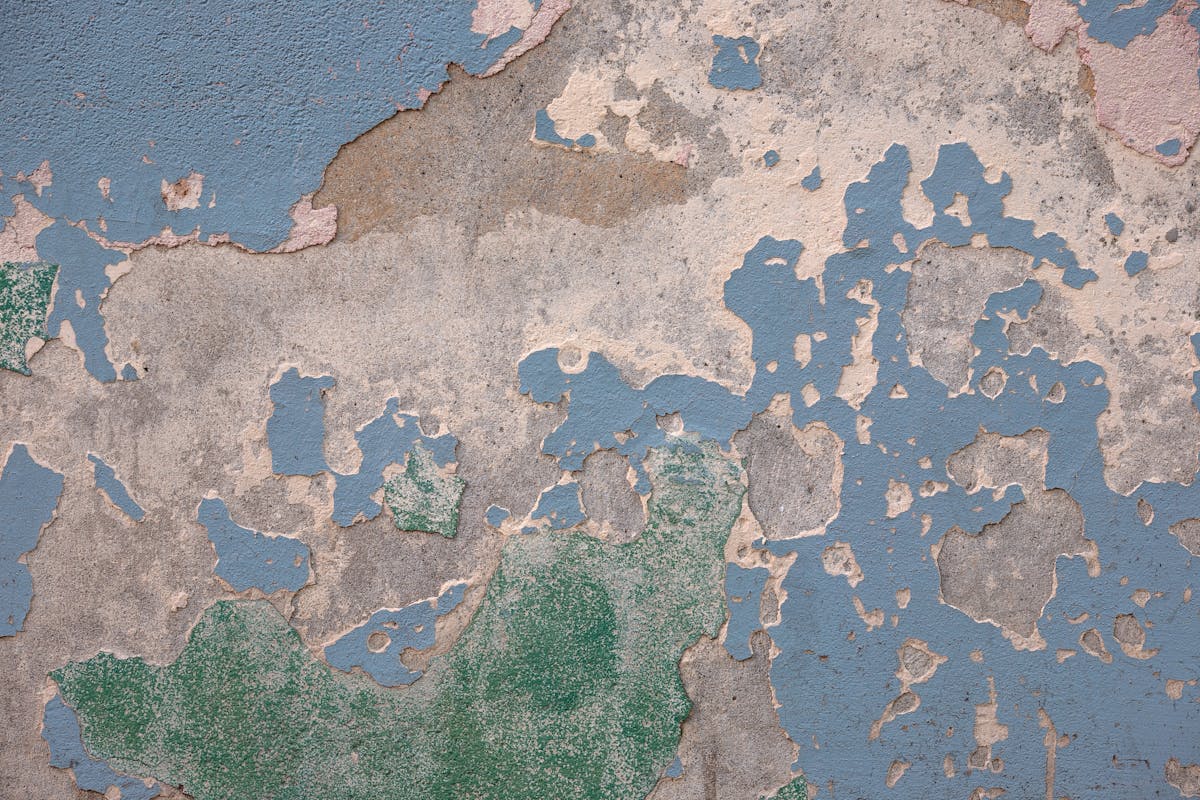
White powdery deposits on masonry (efflorescence), peeling paint, or water stains on ceilings/walls are classic moisture indicators.
Warped Floors and Bubbling Walls
Warped hardwood, loose vinyl, or wallpaper bubbles suggest prolonged exposure to moisture or humidity changes.
Crawl Space & Basement Indicators
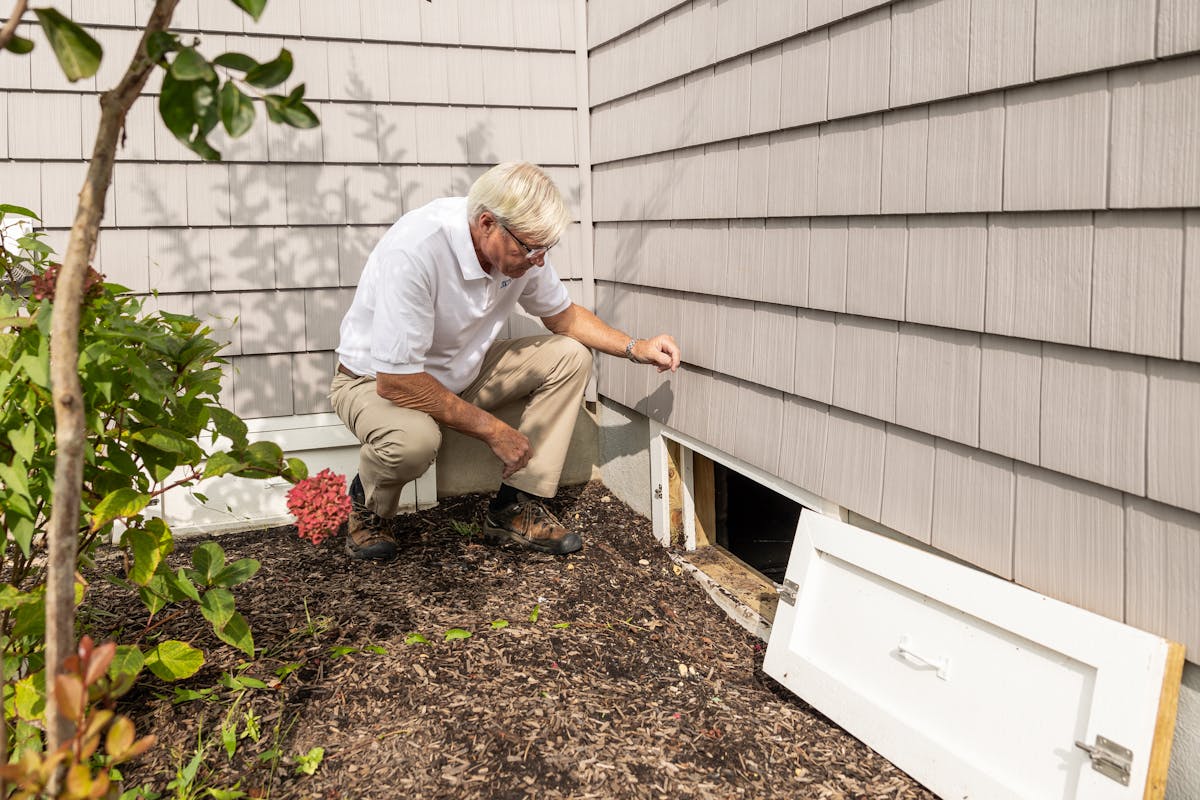
Inspectors check for standing water, damp insulation, mold on joists, and whether the crawlspace is ventilated or sealed properly.
Exterior Signs and Property-Level Clues
Soil Grading and Splashback
If soil backs up to siding or mulch sits against the house, inspectors suspect capillary action drawing moisture into the structure.
Foundation Cracks & Water Marks
Horizontal or stair-step cracks with staining are red flags. Even hairline cracks on stone and block warrant attention if accompanied by moisture.
Gutter Overflow and Roof Issues
Inspectors look at roof valleys, flashing, and gutter alignment. Poor roofing details can channel water where it shouldn’t go.
Special Tests Inspectors Use
Moisture Meters
A moisture meter gives a reading — often the first hard data that confirms a problem behind a wall or floor.
Thermal Imaging
Infrared cameras reveal cold spots that indicate moisture or hidden leaks, especially useful in ceilings and exterior walls.
Air and Surface Sampling (Mold Tests)
When mold is suspected, inspectors may collect samples to identify species and concentration, helping prioritize remediation.
Why Moisture Leads to Mold and Structural Problems
Moisture softens wood, corrodes metals, and weakens concrete over time. Mold accelerates material deterioration and harms indoor air quality. In extreme cases, repeated wetting and drying cycles can shift soils and undermine footings — risking foundation movement.
Short-Term Fixes vs. Long-Term Solutions
Quick fixes buyers can request
- Patch obvious leaks
- Extend downspouts away from foundation
- Add dehumidifiers in basements
These are useful stop-gaps but rarely solve the root cause.
Permanent repairs to insist on
- Regrading and exterior drainage correction
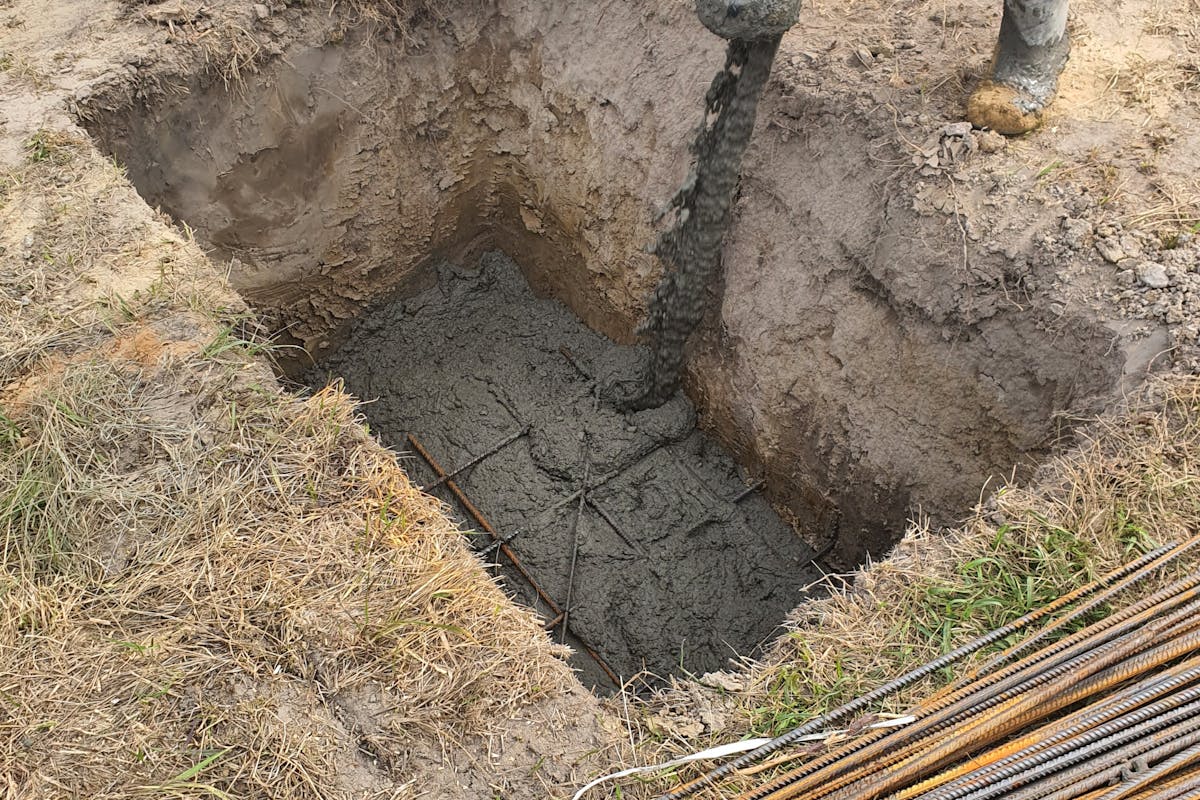
- Foundation crack repair and waterproofing membranes
- Replacing failed gutter systems and installing sump pumps where needed
How a Thorough Inspection Protects Buyers
A detailed moisture inspection arms buyers with negotiation power, repair estimates, or the decision to walk away. It prevents unpleasant surprises after closing and ensures mortgage and insurance issues are managed up front.
When to Order Specialized Inspections (Mold, Foundation, Drainage)
If your general inspector finds elevated moisture, visible mold, structural cracks, or poor drainage, order targeted specialists: a structural engineer for foundation concerns, a certified mold assessor for health risks, or a drainage contractor for grading and runoff fixes.
Preventive Tips for Ohio Homeowners
Keep gutters clean, maintain proper grading, install downspout extensions, use dehumidifiers in basements, and have annual plumbing and roof checks. Small maintenance now avoids big repair bills later.
Conclusion
Moisture issues are often the first domino in a cascade that can cost homeowners dearly. Ohio’s climate and soil make vigilance essential. A professional inspection that focuses on moisture sources, signs, and testing can save money, protect health, and secure your investment.
FAQs
Q1: How soon should I get a moisture-focused inspection?
Get one during your pre-purchase inspection or immediately if you notice odors, stains, or previous water events.
Q2: Can a general home inspector detect all moisture problems?
They can identify many signs but may recommend specialists for in-depth mold testing or structural analysis.
Q3: Will moisture issues always lead to foundation damage?
Not always, but persistent moisture increases the risk — especially with clay soils and poor grading.
Q4: Are DIY moisture meters reliable?
They offer useful clues but a professional uses calibrated tools and context to interpret results accurately.
Q5: Can waterproofing completely stop moisture problems?
Waterproofing helps a lot, but it must be combined with proper grading, drainage, and maintenance for lasting results.