by Flinn Inspections
Share
by Flinn Inspections
Share
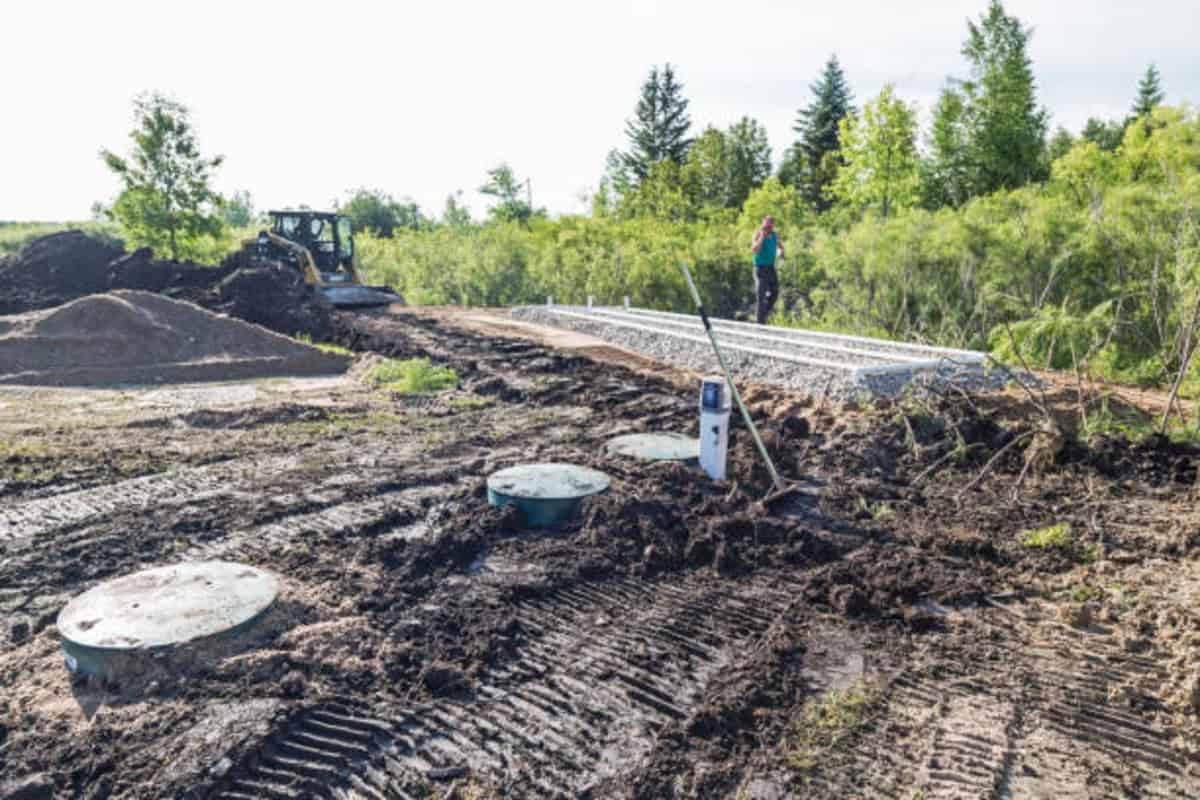
Your septic system might seem like a “set it and forget it” feature, but it’s deeply connected to the world beneath your feet. Weather and Soil conditions affect your septic system. From heavy rains that flood your drain field to freezing temperatures that cause pipes to burst — Mother Nature plays a major role in keeping things flowing smoothly.
Understanding How a Septic System Works
The Basic Components of a Septic System
A standard septic system includes a septic tank, distribution box, and drain field. Wastewater from your home flows into the tank, where solids settle, and liquids flow out into the drain field to be filtered naturally through the soil.
How the System Treats and Disposes of Wastewater
The bacteria in your septic tank and soil break down waste, cleaning it before it seeps back into the groundwater. However, when weather or soil conditions change, this balance can be disrupted — leading to backups or even contamination.
How Weather Affects Your Septic System
Heavy Rainfall and Its Impact on Septic Performance
Soil Saturation and Drain Field Flooding:
When the ground becomes oversaturated after heavy rainfall, it can’t absorb wastewater effectively. This causes backups, slow drains, and standing water near your drain field.
Signs Your System Is Overloaded After Rain:
Watch for gurgling toilets, foul odors, or wet spots near your tank or drain field — these are warning signs your system is struggling.
Drought and Dry Weather Effects
How Lack of Moisture Affects Drain Field Bacteria:
Drought reduces the moisture needed for beneficial bacteria to thrive. Without these microorganisms, wastewater isn’t treated properly.
Ground Shifting and Pipe Damage During Droughts:
Dry soil can crack and shift, putting stress on underground pipes and tanks. Over time, this can lead to leaks or collapsed lines.
Freezing Temperatures and Winter Weather Issues
Frozen Pipes and System Components:
When temperatures plummet, water inside pipes and drain lines can freeze, leading to blockages or ruptures.
How to Prevent Septic Freezing in Cold Climates:
Keep the ground insulated with mulch or straw over your septic area. Avoid compacting snow or ice, as this reduces natural insulation.
The Role of Soil Conditions in Septic System Performance
Why Soil Type Matters
Soil acts as your system’s natural filter. Its texture and permeability determine how effectively it treats wastewater.
Clay Soil vs. Sandy Soil vs. Loamy Soil
- Clay soil drains poorly and causes backups.
- Sandy soil drains too quickly, risking groundwater contamination.
- Loamy soil — a balanced mix — is ideal for septic systems.
The Problem with Compacted or Poorly Drained Soil
Compacted soil prevents oxygen flow, which septic bacteria need to survive. Without them, waste treatment slows, and solids build up.
How Soil Temperature Affects Bacterial Activity
Cold soil slows bacterial activity, reducing the system’s ability to break down waste — especially during long winters.
Seasonal Challenges and How to Handle Them
Spring – Managing Excess Rain and Groundwater
Inspect your drain field in spring. Redirect roof gutters and surface runoff away from the system to prevent flooding.
Summer – Preventing Drought-Related Issues
Limit water usage during dry spells to prevent stressing your system. Ensure the drain field stays naturally moist.
Fall – Preparing Your Septic for Winter
Pump your tank and inspect components before winter. Fix leaks or cracks that could worsen in freezing temperatures.
Winter – Keeping the System from Freezing Up
Insulate exposed pipes and keep snow undisturbed over the drain field to maintain heat.
How Flinn Inspection Group Helps Maintain Your Septic System
Professional Inspections to Detect Weather-Related Damage
Flinn Inspection Group offers comprehensive septic inspections to identify issues caused by rainfall, soil changes, or freezing.
Advanced Tools for Soil and Drain Field Assessment
Using camera technology and moisture testing tools, they locate blockages, leaks, and saturation problems with precision.
Maintenance Recommendations to Prevent Seasonal Failures
Their experts provide detailed reports and actionable advice to protect your septic system through every season.
Tips to Protect Your Septic System from Weather Damage
Maintain Proper Drainage Around the System
Ensure your yard slopes away from the septic area to prevent water pooling.
Avoid Driving or Parking on the Drain Field
The weight can compact soil and damage underground pipes.
Schedule Regular Septic Inspections
Annual inspections by professionals like Flinn Inspection Group can prevent small issues from becoming costly repairs.
Divert Roof and Surface Water Away from the Drain Field
Keep gutters, sump pumps, and downspouts pointed away from your septic system.
Common Myths About Weather and Septic Systems
“Rain Can’t Affect Underground Systems” – The Truth
Even though your system is buried, heavy rain can saturate the soil, making it impossible for wastewater to drain.
“Cold Weather Kills All Septic Bacteria” – Fact or Fiction?
False! Bacteria slow down in cold weather but rarely die completely. Regular use keeps them active and balanced.
When to Call a Professional Septic Inspector
Warning Signs You Shouldn’t Ignore
If you notice slow drains, foul odors, or pooling water, your system may be stressed by weather or soil conditions.
Benefits of Professional Diagnosis
Experts like Flinn Inspection Group can detect hidden damage early and recommend targeted maintenance to restore balance.
Conclusion – Keeping Your Septic System Strong Year-Round
Weather and soil conditions constantly influence your septic system’s performance. Heavy rain can flood it, drought can dry it out, and freezing temperatures can cause blockages. By understanding these factors — and partnering with trusted professionals like Flinn Inspection Group — you can keep your septic system efficient, safe, and long-lasting through every season.
FAQs
1. Can heavy rain permanently damage my septic system?
Prolonged flooding can damage the drain field and cause contamination, but prompt inspection and maintenance can usually fix it.
2. How do I prevent my septic system from freezing?
Insulate exposed areas, avoid compacting snow, and keep the system in regular use to prevent freezing.
3. What type of soil is best for a septic drain field?
Loamy soil is ideal because it drains at a steady rate and supports bacterial treatment.
4. How often should I have my system inspected?
At least once every year — and especially before or after extreme weather events.
5. Why should I choose Flinn Inspection Group for septic inspections?
Because they use expert techniques, modern equipment, and proven experience to keep your septic system working safely year-round.