by Flinn Inspections
Share
by Flinn Inspections
Share
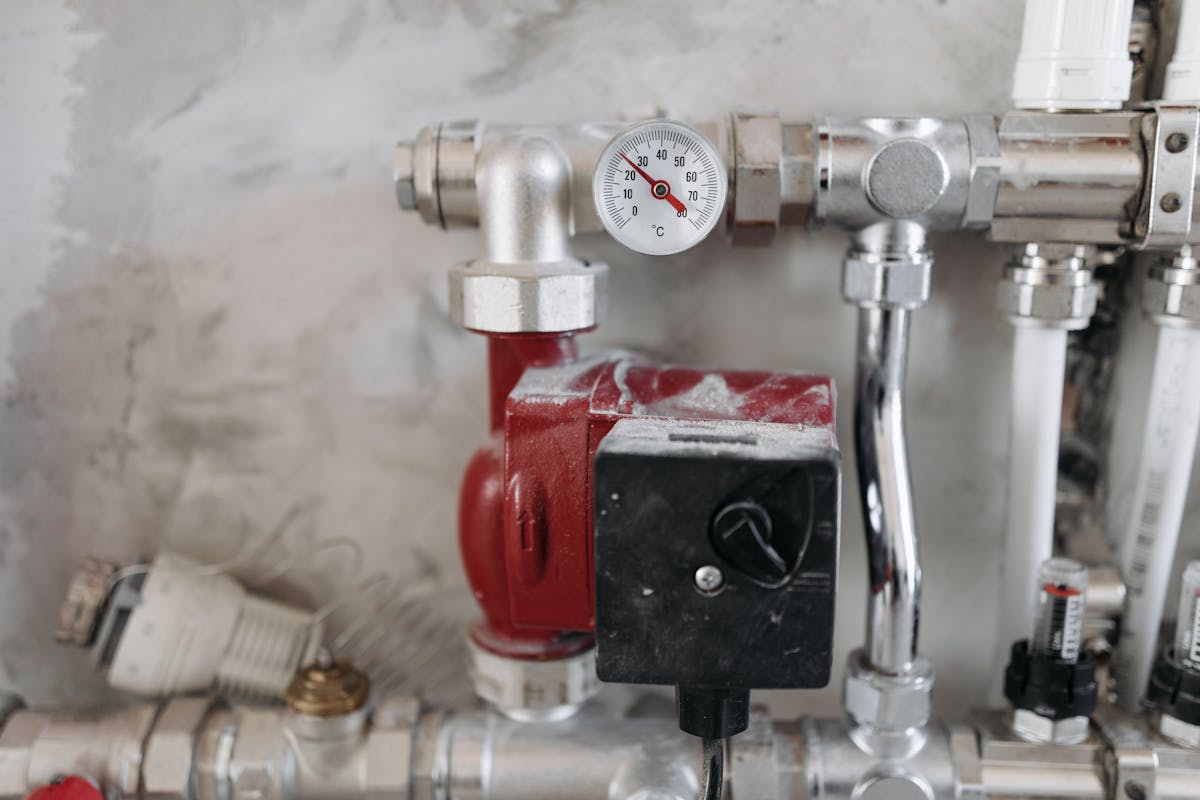
Homes that rely on private well systems enjoy independence from city water, but that independence comes with responsibility. A well system works quietly in the background, so when problems develop, homeowners often do not notice until water pressure drops or quality changes. That is why well system inspections are so important, especially during a home purchase. Inspectors regularly uncover issues that could affect water safety, system performance, and long term costs.
Let us walk through the most common well system problems inspectors find and why they matter more than many homeowners realize.
Understanding How a Well Water System Works
Basic Components of a Residential Well System
A typical well system includes a well casing, a submersible or jet pump, a pressure tank, electrical controls, and plumbing that delivers water to the home. Each part must work together smoothly for consistent water flow.
How Water Travels From the Ground to Your Home
Water is drawn from underground sources through the well casing by the pump. The pressure tank stores water and maintains steady pressure so water flows when taps are opened. Any failure along this path can disrupt the entire system.
Why Well System Inspections Are So Important
Differences Between City Water and Well Water
City water systems are maintained by municipalities and tested regularly. Private wells rely entirely on the homeowner for maintenance and testing. If something goes wrong, there is no automatic oversight.
Risks of Skipping a Well Inspection
Without an inspection, buyers may inherit hidden issues like contaminated water, failing pumps, or outdated equipment. These problems can be costly and stressful to fix after move in.
Aging and Deteriorated Well Components
Old Well Casings and Structural Wear
Well casings protect the water source from surface contaminants. Over time, older casings may crack, corrode, or separate at joints. Inspectors often find casings that no longer provide proper protection.
Corrosion and Material Breakdown
Metal components exposed to moisture and minerals can corrode. Corrosion weakens structural integrity and may introduce metals into the water supply.
Well Pump Problems Inspectors Commonly Find
Failing or Undersized Pumps
Pumps are the heart of the well system. Inspectors frequently encounter pumps that are too small for the home’s demand or nearing the end of their lifespan. These pumps struggle to maintain consistent pressure.
Warning Signs of Pump Failure
Frequent cycling, unusual noises, slow water delivery, and sudden pressure drops often point to pump issues that require attention.
Pressure Tank Issues in Well Systems
Waterlogged Pressure Tanks
A pressure tank uses air pressure to regulate water flow. When the air bladder fails, the tank becomes waterlogged. This leads to constant pump cycling and increased wear.
Short Cycling and Pressure Fluctuations
Short cycling happens when the pump turns on and off too frequently. Inspectors often identify this issue during flow testing. Left unaddressed, it shortens pump life.
Electrical Problems Affecting Well Systems
Improper Wiring and Control Box Failures
Well systems rely on electrical components to function safely. Inspectors frequently find outdated wiring, exposed connections, or failing control boxes.
Safety Hazards From Electrical Defects
Electrical problems pose serious safety risks, including shock and fire hazards. These issues are especially concerning near water sources.
Poor Water Quality Issues
Bacteria and Contamination Risks
Water testing often reveals bacteria, nitrates, or other contaminants. These problems may come from surface runoff, failing seals, or nearby agricultural activity.
High Mineral Content and Sediment Problems
Hard water, iron, sulfur odors, and sediment buildup are common findings. These issues affect taste, staining, and appliance lifespan.
Inadequate Well Yield and Recovery Rate
Low Water Production Problems
Some wells cannot produce enough water to meet household needs. Inspectors test yield and recovery to determine if the well can support daily use.
Seasonal Water Shortages
Wells may perform differently during dry seasons. Inspectors consider historical performance and signs of seasonal stress.
Improper Well Location and Site Conditions
Drainage and Flooding Risks
Poor grading around the well can allow surface water to pool near the casing. This increases contamination risk.
Nearby Contamination Sources
Inspectors check for proximity to septic systems, livestock areas, and chemical storage. Improper separation distances can compromise water safety.
Plumbing Defects Connected to Well Systems
Leaking Pipes and Fittings
Leaks reduce pressure and increase pump run time. Inspectors often find hidden leaks in crawl spaces or utility rooms.
Improper Pipe Materials
Outdated or incompatible piping materials may corrode or fail prematurely. Inspectors flag these materials for replacement.
Water Treatment System Failures
Malfunctioning Filters and Softeners
Water treatment systems require regular maintenance. Inspectors often find clogged filters, bypassed systems, or equipment that no longer functions properly.
Maintenance Issues Homeowners Overlook
Neglected systems can worsen water quality instead of improving it. Maintenance records matter during inspections.
Pressure and Flow Problems Inside the Home
Low Water Pressure Complaints
Low pressure may be caused by pump issues, clogged filters, or undersized plumbing. Inspectors trace the source of the problem.
Inconsistent Flow at Fixtures
Fluctuating flow often points to pressure tank or control issues that require correction.
Well Cap and Seal Deficiencies
Missing or Damaged Well Caps
A proper well cap keeps insects, debris, and surface water out. Inspectors frequently find missing or poorly sealed caps.
Risks of Surface Water Intrusion
Surface water carries bacteria and chemicals. Even small gaps can contaminate the entire system.
Code and Safety Compliance Issues
Outdated Installations
Many older wells were installed under outdated standards. Inspectors identify systems that no longer meet current safety expectations.
Modern Safety Standards Inspectors Look For
Current standards focus on proper setbacks, electrical safety, and contamination prevention.
How Well Inspections Protect Home Buyers
Financial Protection and Peace of Mind
Well repairs can be expensive. Inspections help buyers avoid unexpected costs and health risks.
Negotiation Advantages After Inspection
Inspection findings give buyers leverage to request repairs, credits, or further testing before closing.
Choosing the Right Well Inspection Professional
Experience With Private Well Systems
Not all inspectors specialize in well systems. Experience matters when evaluating water sources and equipment.
What to Expect in a Well Inspection Report
A detailed report includes system condition, test results, photos, and clear recommendations.
Conclusion
Well systems are reliable when properly maintained, but they hide their problems well. Inspections regularly uncover issues with pumps, pressure tanks, water quality, and safety components that homeowners never suspected. Whether you are buying a home or maintaining one, a professional well inspection protects your water supply, your finances, and your peace of mind. Clean water is not something to assume. It is something to verify.
FAQs
- How often should a well system be inspected?
A full inspection is recommended during home purchases and every few years for existing homeowners. - Can a well fail without warning signs?
Yes. Many well problems develop slowly and remain unnoticed until major failure occurs. - Is water testing included in well inspections?
Most inspections include basic testing, with additional tests available for specific concerns. - Are well system repairs expensive?
Costs vary. Early detection often keeps repairs manageable. - Should buyers attend the well inspection?
Yes. Attending helps buyers understand system operation and maintenance needs.