by Flinn Inspections
Share
by Flinn Inspections
Share
Why New Homes Can Have Structural Defects
Buying a newly built home feels exciting. Everything is fresh, modern, and untouched.
Yet, even new construction can harbor structural defects. While these issues might not be immediately visible, they can cause serious problems over time, including safety hazards, costly repairs, and decreased property value.
Understanding what to look for—and when to hire a professional—can save you thousands and protect your home investment.
Understanding Structural Defects in New Construction
Definition of Structural Defects
Structural defects are flaws in the building’s framework that affect the integrity, stability, or safety of the home. These defects can involve:
- Foundations
- Load-bearing walls
- Roofs and ceilings
- Floors
- Supporting beams
Unlike cosmetic issues like paint or wallpaper, structural defects compromise the actual safety and usability of a home.
Difference Between Cosmetic Issues and Structural Problems
Cosmetic problems are surface-level, like scratches, dents, or uneven paint. Structural defects, on the other hand, threaten the home’s safety and long-term durability.
A cracked wall could just be paint peeling—or it could indicate settling that compromises the foundation.
Read More about New Construction / Phase Inspections
Causes of Structural Defects in New Homes
Poor Workmanship
Rushed or careless construction can lead to defects such as:
- Improperly secured beams
- Misaligned framing
- Uneven concrete pours
Even small errors during construction can have long-term consequences.
Substandard Materials
Using low-quality materials may save money upfront but often results in:
- Cracked foundations
- Sagging floors
- Warped roof trusses
Quality materials are essential for structural integrity.
Design and Engineering Flaws
Sometimes, defects are not the builder’s fault but stem from:
- Incorrect load calculations
- Weak structural designs
- Failure to follow building codes
Proper engineering and planning are critical to prevent long-term issues.
Environmental and Soil Factors
Natural conditions like:
- Clay soils that expand and contract
- Poor drainage
- Flood-prone areas
can cause foundations and structural elements to shift or crack.
Common Structural Defects in Foundations
Cracks in Concrete Slabs
Hairline cracks may be cosmetic, but large or widening cracks indicate serious settling issues.
Settling or Uneven Foundations
Uneven foundations can lead to:
- Sloped floors
- Wall cracks
- Door and window misalignment
Monitoring and early inspection are key.
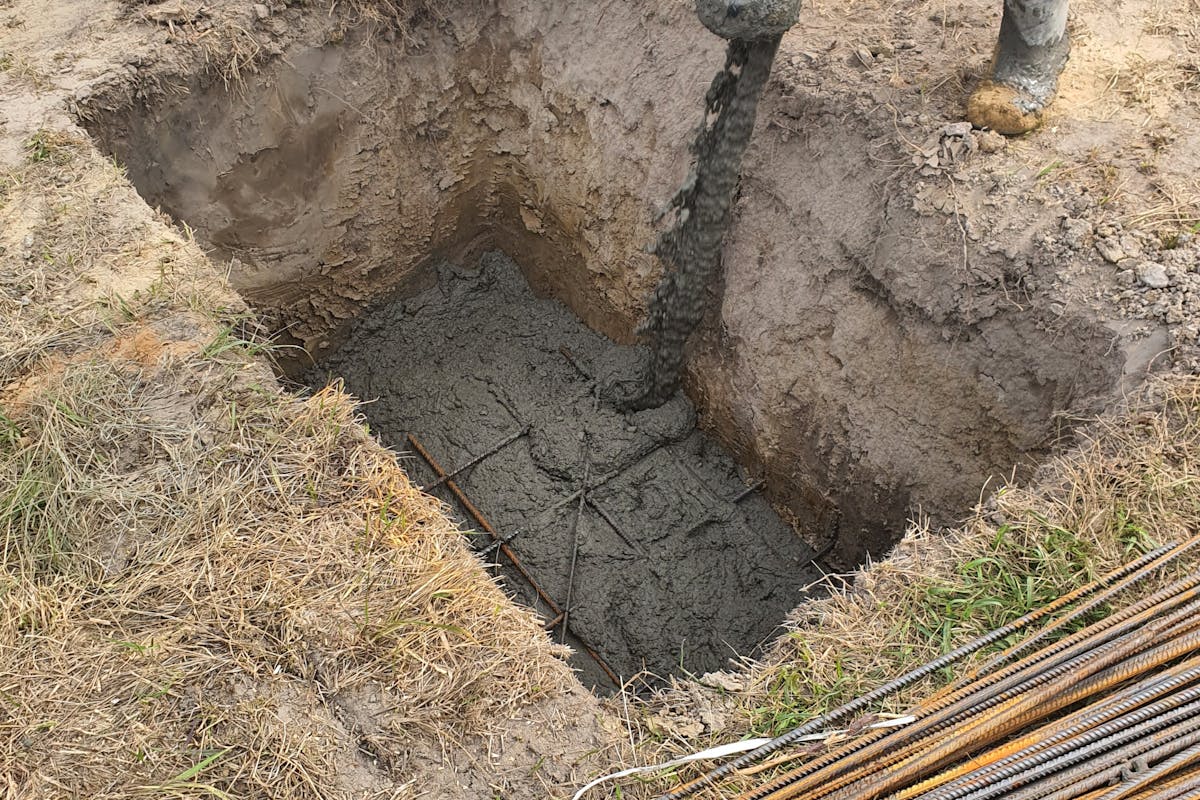
Improper Footing Depth or Reinforcement
Footings that are too shallow or lack sufficient rebar can compromise the foundation’s stability.
Issues in Framing and Load-Bearing Walls
Warped or Misaligned Framing
Wood that’s warped or improperly installed can cause walls to bow or lean.
Weak or Improperly Installed Support Beams
Support beams that are undersized or incorrectly positioned may fail under the home’s weight.
Nail Pops and Wall Cracks
While these may seem minor, they can indicate movement in the framing or settling issues.
Roof and Ceiling Structural Defects
Sagging Roofs
Poorly constructed roofs may sag, especially under snow or heavy rain loads.
Truss Problems and Improper Connections
Trusses must be properly connected and aligned to prevent roof failure.
Ceiling Cracks or Uneven Surfaces
Cracks or uneven ceilings can signal structural stress or settling beneath the roof.
Flooring Structural Problems
Uneven or Sloping Floors
Uneven floors are a common sign of foundation settling or subfloor issues.
Cracking or Creaking Subfloors
Weak or improperly installed subfloors can result in squeaks or visible cracks.
Improper Installation of Hardwood or Tiles
Even minor installation errors can exacerbate underlying structural problems.
Plumbing and Mechanical Systems Affecting Structure
Leaks Causing Water Damage
Hidden leaks can weaken floors, walls, and ceilings over time.
Improper Pipe Supports Leading to Sagging Floors
Plumbing that isn’t properly supported can stress floor joists.
HVAC Ducting Affecting Structural Integrity
Large or improperly placed ducts can interfere with beams and framing.
Exterior Structural Defects
Siding and Brick Veneer Issues
Cracked or poorly installed siding can allow water intrusion and rot.
Decks and Porches Not Properly Supported
Decks built without proper footings or braces may collapse.
Window and Door Framing Problems
Frames that are out of square can lead to leaks and compromise structural alignment.
How to Identify Structural Defects Early
Hiring a Professional Home Inspector
A licensed inspector can spot problems that aren’t visible to the untrained eye.
Pre-Closing Inspections
This step ensures the home is structurally sound before ownership transfer.
Monitoring Settlement and Movement
Keeping an eye on cracks, doors, and windows can help detect issues before they worsen.
Legal and Financial Implications of Structural Defects
Warranty Claims on New Homes
Most new homes come with builder warranties, but knowing how to file claims is crucial.
Insurance Considerations
Homeowner’s insurance may cover some defects, but not all. Check your policy carefully.
Costs of Repairs and Resale Value Impacts
Structural defects can be expensive and reduce the home’s market value if not addressed promptly.
Prevention and Best Practices
Choosing a Reputable Builder
Select a builder with a strong track record and positive references.
Inspections During Construction Phases
Regular inspections during construction prevent defects from becoming permanent.
Using Quality Materials and Following Codes
Proper materials and adherence to building codes are the foundation of structural safety.
Conclusion: Protecting Your Investment in a New Home
Even newly built homes can have structural defects. Knowing the signs, hiring inspectors, and performing thorough pre-closing checks are essential. By taking proactive steps, you can protect your investment, ensure safety, and enjoy your new home with confidence.
FAQs
1. Are structural defects common in new construction homes?
Yes, while not always visible, even new homes can have defects due to materials, workmanship, or soil conditions.
2. How can I detect structural defects early?
Hire a professional inspector and attend pre-closing inspections. Watch for cracks, sloping floors, or sticking doors.
3. Do builder warranties cover structural defects?
Most new homes have warranties that cover major structural issues, but coverage may vary by builder and region.
4. Can poor soil cause structural defects in a new home?
Absolutely. Expansive clay, shifting soils, or poor drainage can all lead to foundation and framing issues.
5. Should I worry about cosmetic cracks in walls?
Small hairline cracks are often cosmetic, but larger, widening cracks may indicate underlying structural problems.