by Flinn Inspections
Share
by Flinn Inspections
Share
Why Termite Inspections Matter More Than You Think
Let’s be honest. Termites aren’t something most homeowners think about every day.
They’re not like a leaking faucet or a broken window that screams for attention. Termites work quietly, patiently, almost like tiny thieves sneaking through the walls.
By the time you notice them, the damage is often already done.
That’s why having a termite inspection checklist is such a powerful tool. It helps you catch the warning signs early, protect your investment, and avoid massive repair bills.
Whether you’re buying a home, selling one, or just trying to keep your property safe, this guide will walk you through the most important termite inspection items.
Understanding Termites and the Damage They Cause
Before we dive into the checklist, it helps to understand what you’re up against.
Why Termites Are Called “Silent Destroyers”
Termites feed on cellulose, which is found in wood and plant materials. That means your home’s wooden framing is basically an all-you-can-eat buffet.
The scary part?
They can chew through support beams, flooring, and walls without making much noise at all.
It’s like having a slow-moving fire inside your home, except you can’t see it.
Common Areas Termites Attack First
Termites usually start in places that are:
- Dark
- Moist
- Hidden
- Close to soil
That includes basements, crawl spaces, and areas around plumbing.
What Is a Termite Inspection Checklist?
A termite inspection checklist is simply a structured way to make sure no key areas are overlooked during an inspection.
How a Checklist Helps Homeowners and Buyers
A checklist keeps you organized and helps you:
- Identify termite activity early
- Understand risk zones around your home
- Know what professionals look for
- Prevent future infestations
It’s like having a map before walking through a forest. Without it, you’re guessing.
When You Should Schedule a Termite Inspection
You should consider an inspection:
- Before buying a home
- Before listing your property for sale
- If you notice signs of infestation
- At least once a year in high-risk areas
Termites don’t wait. Neither should you.
10 Termite Inspection Checklist Items That Protect Your Home
Now let’s get into the heart of this guide.
Here are the most important termite inspection items that can save your home from serious damage.
1. Inspect Exterior Foundation Walls
Start with the foundation.
Termites often enter through small cracks or gaps in the concrete.
Look for:
- Mud trails
- Cracked foundation areas
- Signs of moisture buildup
Your foundation is like the front door. If it’s unprotected, termites can walk right in.
2. Look for Mud Tubes Along Baseboards
Mud tubes are one of the biggest red flags.
These pencil-sized tunnels are built by termites to travel safely between soil and wood.
Check:
- Along baseboards
- Inside garages
- Around exterior walls
If you see mud tubes, termites are likely active right now.
3. Check Wooden Structures for Hollow Sounds
Termites eat wood from the inside out.
So wood may look fine, but tapping it can reveal damage.
Gently knock on:
- Support beams
- Deck posts
- Window frames
A hollow sound is a major warning sign.
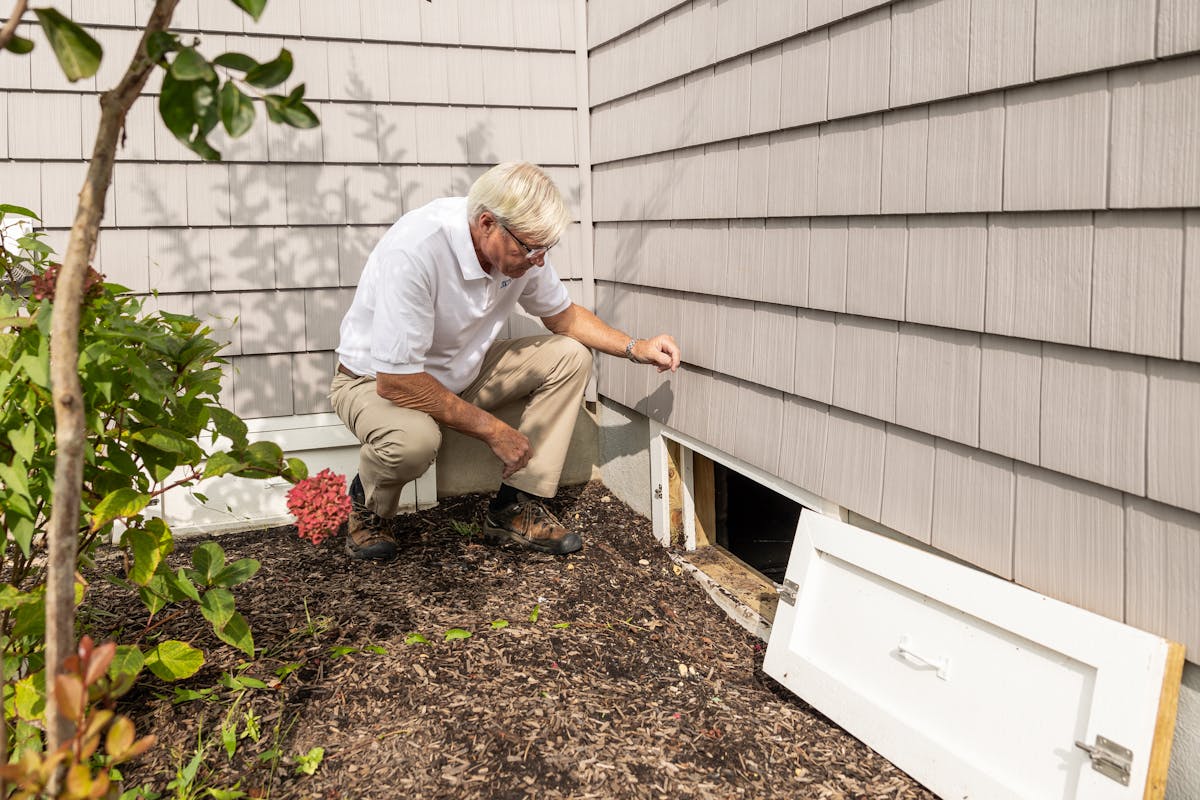
4. Examine Crawl Spaces and Basements
Crawl spaces are termite heaven.
They’re dark, damp, and often ignored.
Inspect for:
- Moist soil
- Wood debris
- Termite tunnels
Basements also deserve attention, especially near insulation and framing.
5. Inspect Attic Beams and Roof Framing
People forget termites can travel upward.
Attics may show signs like:
- Damaged beams
- Droppings
- Warped wood
Think of termites like hikers. If they find a path, they keep moving.
6. Search for Termite Droppings (Frass)
Drywood termites leave behind tiny droppings called frass.
They look like:
- Small wood-colored pellets
- Sawdust piles near baseboards
Frass is basically termite evidence left at the crime scene.
7. Check Doors and Windows for Warping
Termite damage can cause wood to swell or warp.
Watch for:
- Sticking doors
- Hard-to-open windows
- Uneven frames
It’s easy to blame humidity, but termites may be the real culprit.
8. Look for Discarded Wings Near Light Sources
Swarming termites leave wings behind after finding a new nesting spot.
Check near:
- Windowsills
- Light fixtures
- Doorways
Discarded wings often mean a colony is nearby.
9. Inspect Moisture-Prone Areas Around Plumbing
Termites love moisture.
Inspect around:
- Bathrooms
- Kitchens
- Water heaters
- Pipe entry points
A small leak can turn into a termite invitation.
10. Review Landscaping and Wood-to-Soil Contact
Your yard can increase termite risk.
Look for:
- Mulch piled against siding
- Firewood stacked near the home
- Wooden fences touching soil
Wood-to-soil contact is basically a termite bridge.
Signs You May Already Have a Termite Problem
Sometimes, termites don’t hide well.
Common signs include:
- Clicking noises in walls
- Peeling paint that looks like water damage
- Soft or crumbling wood
- Visible tunnels
Cosmetic Clues vs Structural Red Flags
Cosmetic issues may be minor at first, but structural damage can become dangerous.
If you suspect termites, act fast.
Professional Termite Inspection vs DIY Checks
DIY checks help, but professionals go deeper.
What Inspectors Do That Homeowners Can’t
Licensed inspectors use:
- Moisture meters
- Infrared imaging
- Expert knowledge of termite behavior
They also provide official documentation, which is often required in real estate transactions.
Termite Inspection Cost and What’s Included
A termite inspection is affordable compared to repairs.
Average Termite Inspection Pricing
In most areas, inspections cost:
$75 to $150
Some companies bundle termite inspections with full home inspections.
How to Prevent Termites After an Inspection
Once inspected, prevention is key.
Long-term strategies include:
- Fixing leaks quickly
- Keeping gutters clean
- Avoiding wood piles near the home
- Scheduling annual inspections
Termite protection is like home insurance. You hope you never need it, but you’ll be glad it’s there.
Conclusion: Protect Your Home Before Termites Take Over
Termites may be tiny, but the damage they cause is massive.
Using a termite inspection checklist helps you stay proactive, spot early warning signs, and protect the structure of your home.
Whether you’re a homeowner or buyer, don’t wait until termites make themselves comfortable.
A simple inspection today can save you thousands tomorrow.
FAQs
1. How often should I use a termite inspection checklist?
At least once a year, or anytime you notice suspicious signs.
2. Can termites really destroy a home?
Yes. Over time, termites can weaken beams, floors, and walls.
3. Are termite inspections required when buying a home?
In many cases, yes, especially for certain loan types.
4. What is the biggest warning sign of termites?
Mud tubes and discarded wings are two of the clearest indicators.
5. Can I prevent termites permanently?
You can reduce risk significantly with moisture control and regular inspections.